

The middle power moment arrives in South-east Asia – but not for Asean
But it is to the region’s advantage that it is not a unified supranational power like the EU
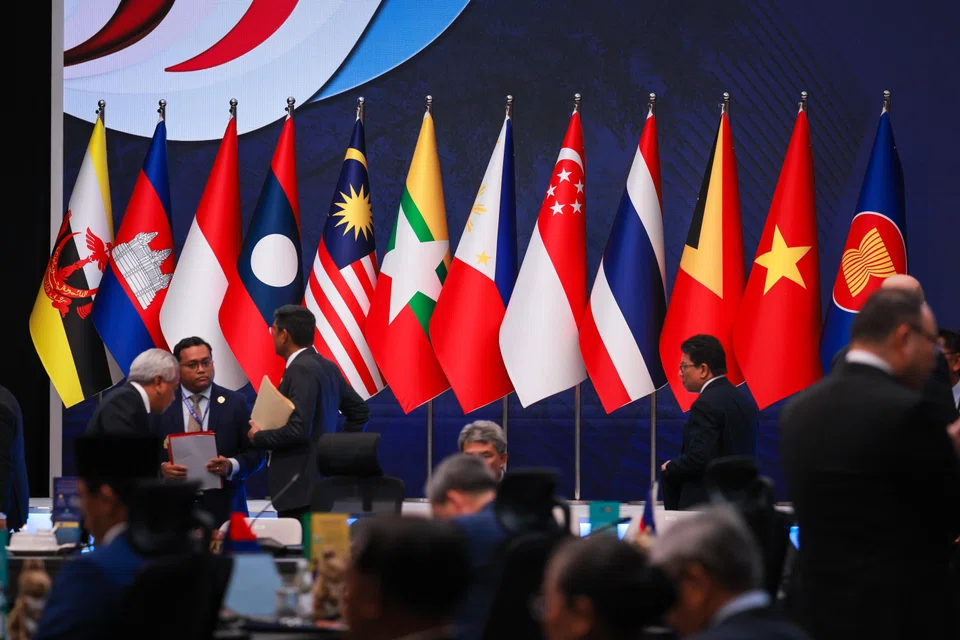
FOR much of the past three decades, Washington’s foreign policy establishment has viewed South-east Asia as a chessboard.
First, it was a venue for post-Cold War “engagement”, then a front line in the “pivot to Asia”, and more recently, a contested zone in the grand strategic rivalry between the US and China.
In each case, the 10, now 11, members of Asean were treated as pieces to be moved, courted or pressured, not as players with their own interests and agendas.

