Singapore’s edge in a world of disruption
The Republic offers trust, predictability and connectivity to opportunities across borders
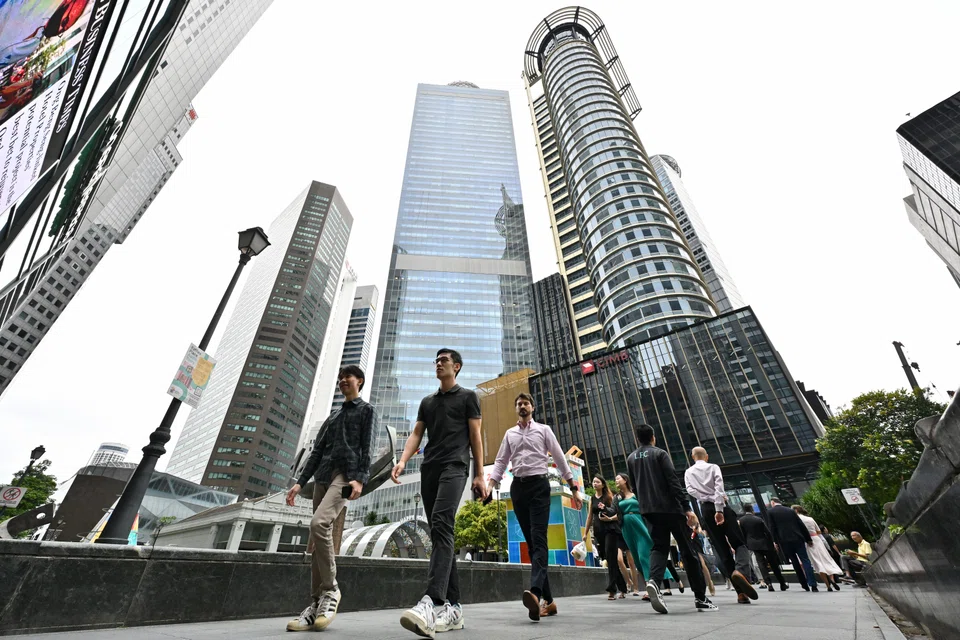
NOT long ago, over the course of a single week, I met with three very different clients: a family office, a sovereign wealth fund and the CEO of a multinational corporation.
All of them asked me a version of the same question: What does Singapore give us that we can’t get anywhere else right now?
It is worth sitting with that question because we are in the middle of a structural shift in how global capital chooses where to live, work and move.
That shift is pushing investment towards jurisdictions that offer strong rule of law and policy predictability. It is a re-underwriting of where businesses feel safe, and one likely to outlast the immediate events that prompted it.
Singapore’s growing role within this changing landscape is visible in the numbers. It became the world’s fifth-largest international financial centre in 2025, rising from ninth place a decade earlier, according to the London-based think tank New Financial.
Data from the Monetary Authority of Singapore (MAS) provides another measure of that growth. Assets under management increased 10 per cent year on year to S$6.7 trillion in 2025, with 76 per cent sourced from outside the Republic.
Adapting to a changing world
The environment today remains uncertain, with markets volatile and old assumptions of what works being challenged.
As companies reconfigure supply chains that took decades to build, capital is placing greater weight on stability and continuity alongside returns. It is increasingly seeking out jurisdictions and institutions that can demonstrate both, even when conditions elsewhere are difficult.
That trend is visible in the growing concentration of international investment.
SEE ALSO





UN Trade and Development has found that the world’s 20 largest host economies attracted more than 80 per cent of global foreign direct investment in 2025, while strategic sectors accounted for 44 per cent of global greenfield project values, up from 16 per cent in 2020.
Capital is not withdrawing from the global economy. It is becoming more selective about the markets, institutions and financial centres through which it operates.
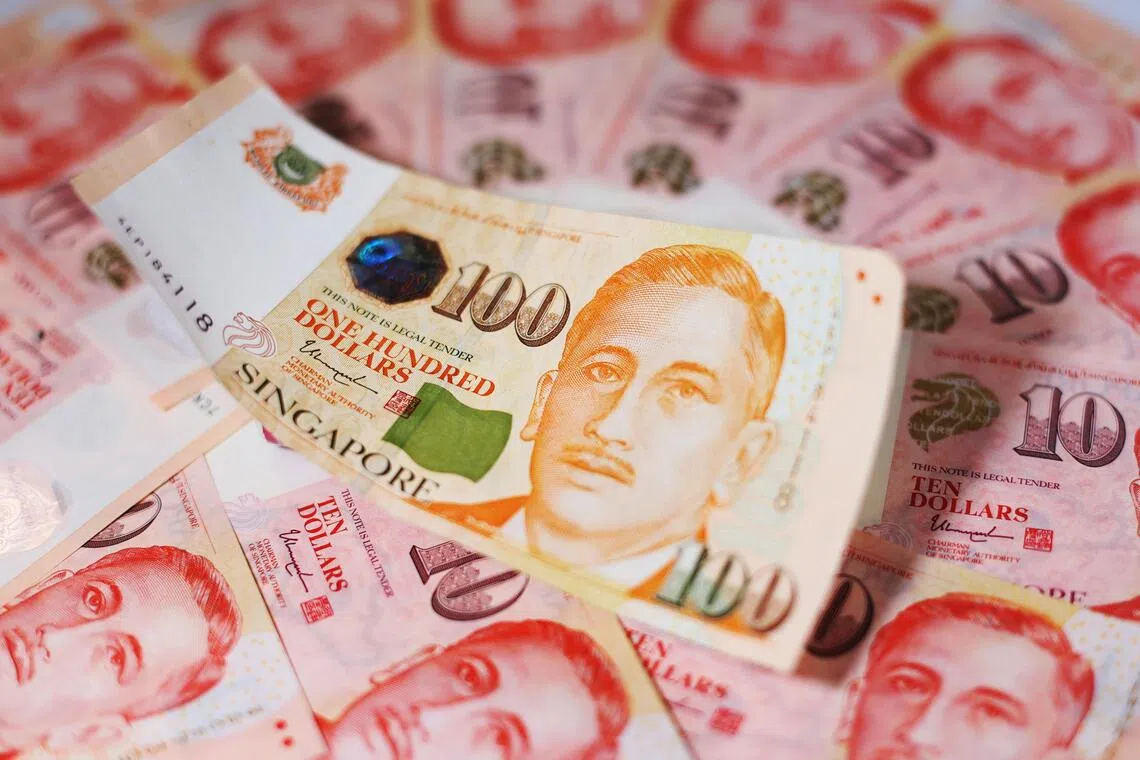
One indication of that search for stability earlier this year appeared in the Singapore dollar, which reached record highs against several regional currencies, even as the currencies of other energy-importing economies mostly weakened with the situation in the Middle East.
Currency strategists pointed to Singapore’s credit rating and its safe-haven appeal as factors supporting its resilience.
What looks like an abstract ranking on paper translates into real decisions on the ground: where a sovereign fund books its custody arrangements, where a multinational domiciles its regional treasury, and where a family office chooses to hold and manage wealth for the next generation.
Singapore as a financial nexus
Singapore’s rise is closely tied to its reputation as a premier global financial hub. It is the world’s third-largest foreign-exchange centre, with an average daily trading volume of US$1.485 trillion, and the third-largest wealth-booking centre, managing US$2.1 trillion in assets as at 2025.
That standing has not been built on scale alone. Singapore has spent several years developing the regulatory and industry foundations for digital finance, bringing financial institutions, technology providers and policymakers together to test practical applications of tokenisation. It has now progressed from experimentation towards implementation.
The same focus is now shaping Singapore’s approach to artificial intelligence.
By June, more than 200 financial institutions were participating in PathFin.ai, the industry’s shared platform for developing and validating AI use cases.
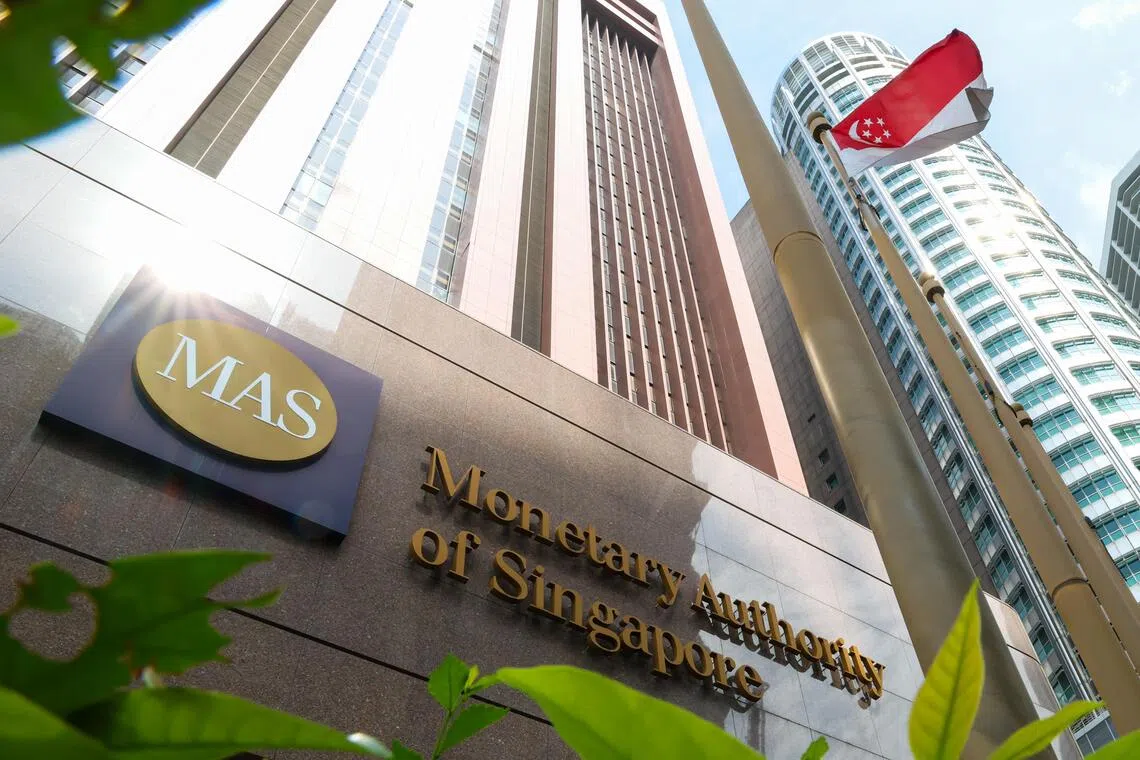
On Aug 31, MAS committed a further S$220 million over three years to the fourth tranche of the Financial Sector Technology and Innovation scheme, or FSTI 4.0.
This includes support for institutions adopting market-ready AI solutions through PathFin.ai and for global firms establishing centres of excellence in AI, quantum computing and digital assets.
Singapore’s scale as a traditional financial hub, its leadership in digital finance and its growing AI ecosystem are powerful advantages on their own.
What ties them together is the ability to serve clients navigating several forms of disruption at once. A fund manager seeking to explore tokenised products and a technology-driven business rethinking its operating model can find the regulatory clarity, liquidity and institutional depth their challenges demand, all in the same city.
The heart of Citi’s strategy
What makes Singapore work so well for our clients is also what makes it important for us. That is reflected in a simple fact: It is one of only a handful of markets globally where Citi maintains a full international franchise.
Our global strategy is built around five interconnected businesses designed to bring more of the firm to clients with cross-border needs. Citi’s presence here spans four of them: banking, markets, services and wealth, a reflection of the range and depth of the clients’ needs in this region.
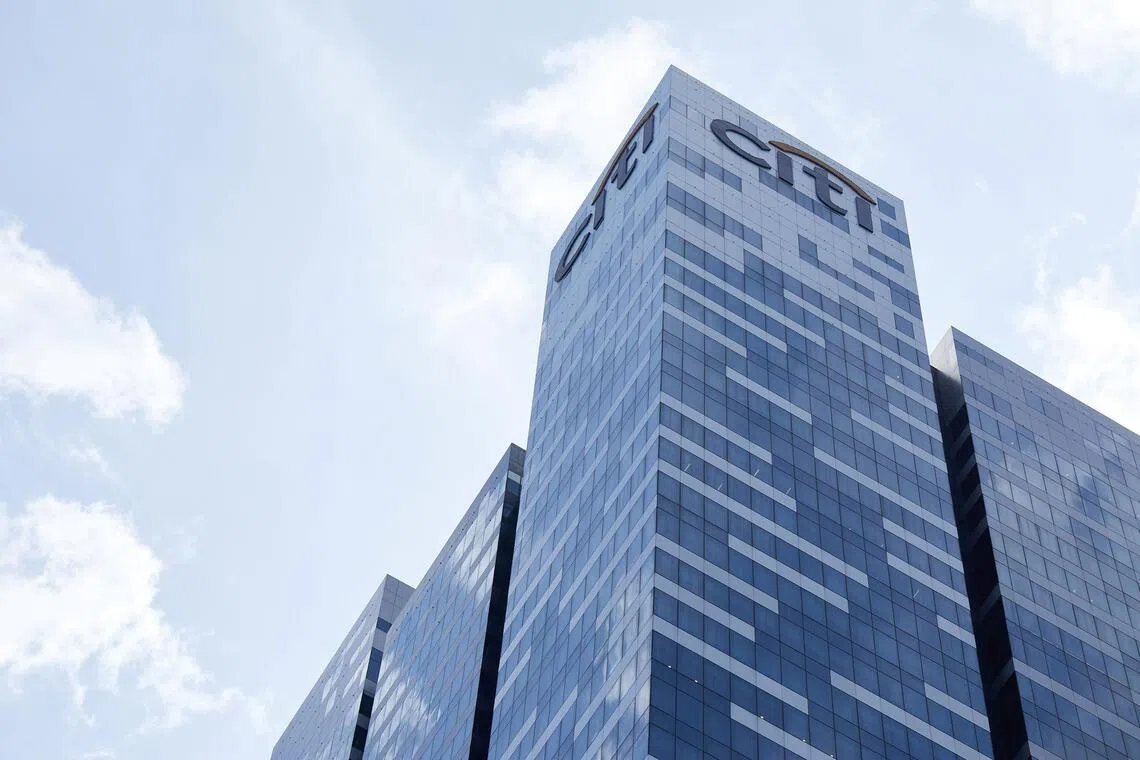
In 2027, Citi will celebrate its 125th anniversary in Singapore. The bank’s trajectory has mirrored the Republic’s own transformation from a regional trading port into a global financial centre.
As Singapore’s financial ecosystem has grown in scale, sophistication and complexity, so too has Citi’s role within it. From supporting trade and investment flows to pioneering industry innovations, we have stood alongside clients through economic cycles, market shocks and times of significant transformation.
Our commitment in Singapore extends beyond business to building up the talent needed for the future of the banking industry.
This year, we welcomed 67 summer analysts, selected from a pool of more than 5,000 applicants. While competition was tough, their resilience and ingenuity gave us a glimpse of what it takes to lead the next wave of change in financial services.
Looking to the future
The three clients I met that week – the family office, sovereign wealth fund and multinational CEO – each arrived with different mandates, yet all were searching for many of the same things: trust, predictability and connectivity to opportunities across borders.
That convergence, which can be found here, helps explain why Singapore continues to thrive as a strategic hub.
Those conditions were not accidental; they are the product of consistent choices by policymakers to prioritise openness and the rule of law, and by the whole ecosystem to commit to long-term thinking over short-term convenience.
The world is placing its trust in Singapore’s reputation for openness and stability, and in its ability to provide connectivity in an uncertain world. It is a reputation that this city and the banks operating in it must earn every day.
The writer is Citi country officer, Singapore
Decoding Asia newsletter: your guide to navigating Asia in a new global order. Sign up here to get Decoding Asia newsletter. Delivered to your inbox. Free.
Share with us your feedback on BT's products and services