

Central banks need digital currencies to stay relevant
The ECB last year shifted to the next stage of its digital-euro project – preparing the ground to issue the currency in the coming years
 Add BT as a preferred source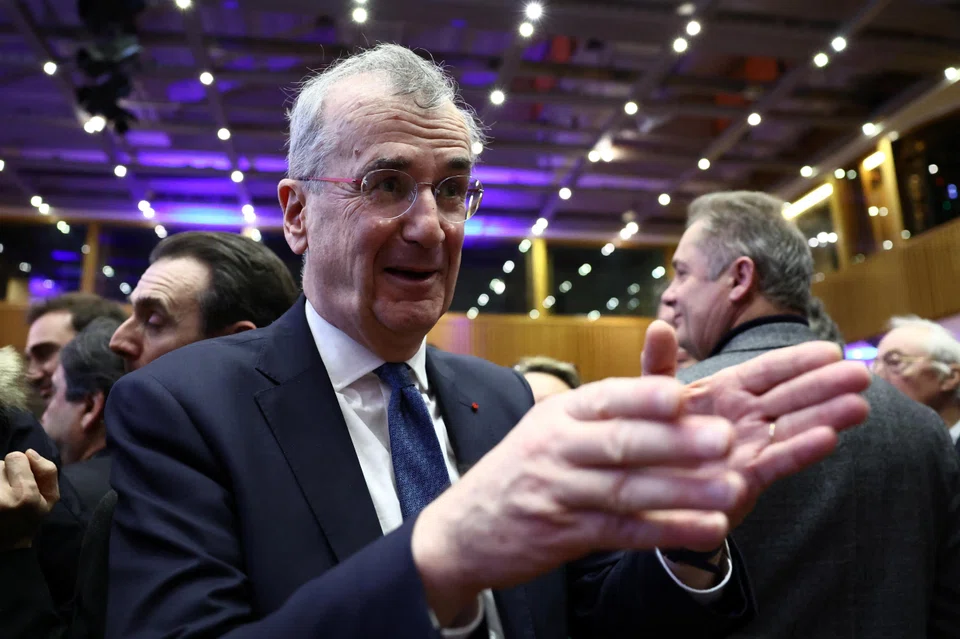
CENTRAL banks should consider using digital currencies for both wholesale and retail, according to European Central Bank (ECB) governing council member Francois Villeroy de Galhau.
“The way we make central bank money available has to be geared to the 21st century to ensure that central bank money maintains its fundamental role: this role is not to be the dominant means of payment, but a stability anchor for the financial system,” the Bank of France chief said. “This is why I believe that, sooner or later, we will need a central bank digital currency (CBDC) for wholesale as well as for retail purposes.”
The ECB last year shifted to the next stage of its digital-euro project – preparing the ground to issue the currency in the coming years, though a final decision has yet to be taken. It started its project in 2021 and has since investigated various design features.
The public’s focus has been on retail CBDCs, where consumers would have direct access to digital central-bank money, just as they nowadays hold cash. Monetary authorities around the world have also looked into wholesale CBDCs, where the aim is on a more efficient technology for payments between banks and the central bank, possibly using blockchain.
The new technology has the potential of impacting commercial banking, though Villeroy told a Bank for International Settlements conference on Monday (May 6) that “we are preparing accordingly at the ECB and the Banque de France; and commercial banks need not be fearful.” BLOOMBERG
Decoding Asia newsletter: your guide to navigating Asia in a new global order. Sign up here to get Decoding Asia newsletter. Delivered to your inbox. Free.
Share with us your feedback on BT's products and services
TRENDING NOW
Qatari LNG ship struck in Strait of Hormuz, testing US talks
DBS, OCBC and UOB shares hit all-time highs as sentiment improves

‘Baptism of fire’: Andre Khor on leading Singapore refiner Aster through an energy crisis
Singapore retains top spot as most expensive city for HNWIs, with five Apac cities in global top 10

