

Wine: It’s the people’s drink
Stop seeing it as an emblem of snobbery, and celebrate it for what it is: a way for people to come together
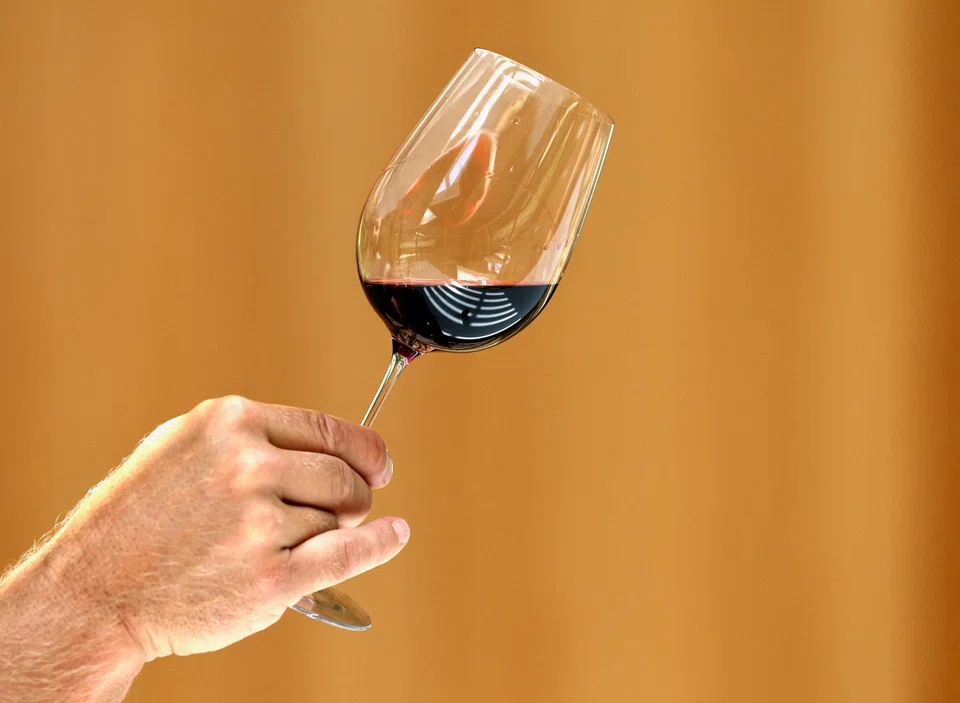
WINE is a social beverage. It invites sharing, and once that bottle is opened and poured into multiple glasses, it warms up the gathering, even more so when food is involved.
Across cultures, breaking bread and having a drink builds bridges between people and encourages feelings of connection and community. Wine, with its alcohol component, relaxes people, lowers inhibitions and quiets the internal dialogue.
The bottle itself can be an object of conversation, but better than talking about wine is the way it stimulates discussion of myriad other topics.
Wine has centuries of success at this. It has been present at meals, celebrations, births and deaths, unions of loved ones and rapprochements of adversaries. It has been there regardless of economic or social class, level of education, race or creed.
In this way, wine truly is the people’s drink. It unifies.
And yet, somewhere along the way, wine has also been cast as a divider, through no fault of its own.

It has an unfortunate reputation as a drink for snobs and elitists who guard the sanctity of the beverage with gibberish and high prices. Speak the language and show the wealth and you’re in. Otherwise, take a hike.
All the silliness around wine is the creation of humans, who have, intentionally or not, used wine to elevate some at the expense of others.
Fancy stuff
As with so many material goods, wine was turned into an aspirational object, a way of demonstrating economic, educational and social success. The wine industry held it up as an emblem of the good life, by which it meant a wealthy, pastoral, homogenised world.
The modern culture built around wine employed an esoteric language for deconstructing and describing wine, intimating that everybody ought to experience wine in this particular way.
Saying “I love the taste” was not sufficient. You needed to say “I get hints of gooseberry and lemon curd with notes of fenugreek”.
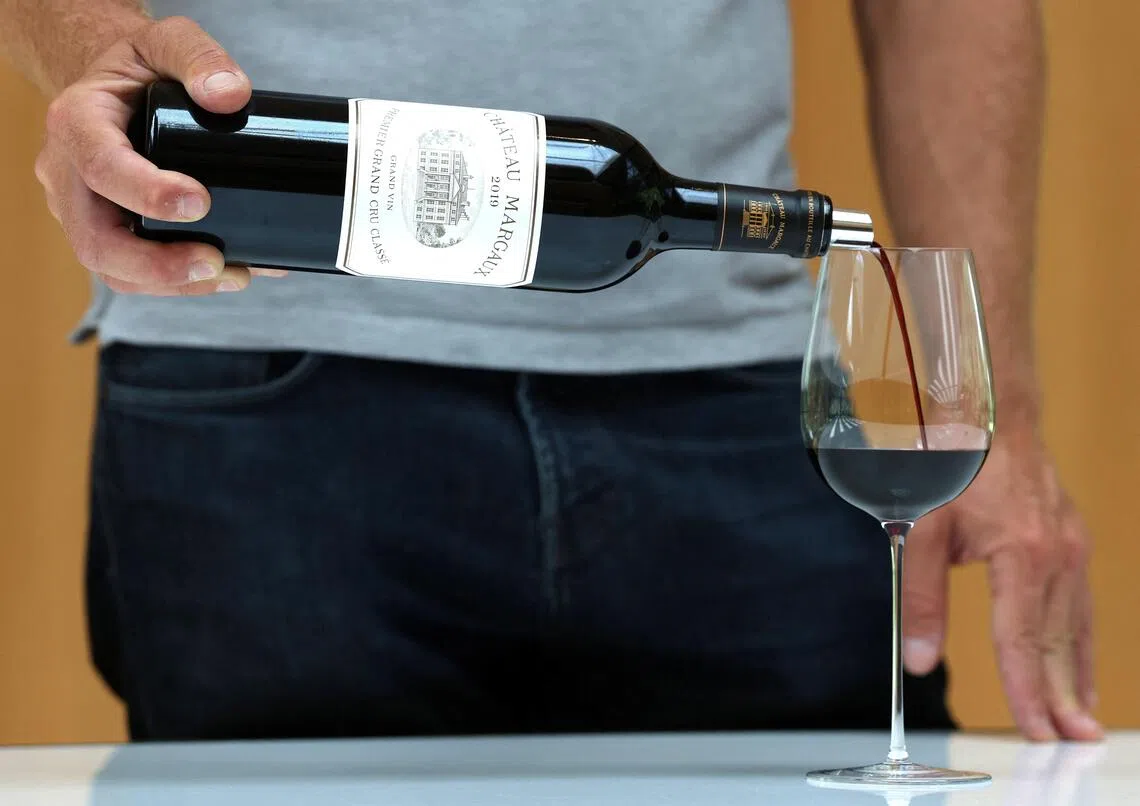
To taste like this has certain uses for wine professionals. To do so requires education and a lot of practice, and for some, it’s fun. But popularising this approach suggested that, if you did not experience and describe wine in this way, you were doing it wrong.
The wine industry glorified expertise at the expense of ease, elevated knowledge over emotion and extolled process over pleasure. Sommelier skills, such as hyperspecific food pairing and blind tasting, came to be seen as necessary and desirable for simply enjoying wine.
This approach made wine seemed intimidating, causing anxiety among people who might be disposed to enjoy wine but feared they did not have the skills or the equipment, like the noses that some critics insured for millions of dollars.
Knowledge of wine became a status symbol. Books and articles were written, offering shortcuts for selecting the “right wine”. People were told that remembering certain catchphrases would convey a deep knowledge of wine and save them from embarrassment.
But ordering the proverbial second-cheapest bottle on the wine list was never about getting a good wine; it was about projecting knowledge and avoiding shame.
Naturally, this bred resentment. Wine took its place among the attributes of the effete, like speaking French or putting Dijon mustard on your cheeseburger.
Regardless of how much a politician might enjoy wine in private, none would dare swirl a stemmed glass in public. Drinking beer, direct from the bottle, was seen as the correct image to convey.
All of this is just fabrication, people attaching meaning to things in ways they believe serve their interests. But when you try to strip away all the freight that wine has been compelled to carry, what is left?
A beautiful, delicious beverage that can quench a thirst, delight those gathered around a dining table and entrance those who wish to contemplate the complexities that some wines can offer.
All wines can be enjoyed without thinking about them. They can also be thrilling in their intricacies. It all depends on how you choose to approach the subject, just as you can use music as a backdrop for other activities or devote your full attention to it. For any occasion, hundreds of different bottles can satisfy.
There’s never only one right way to drink wine.
The notion of connoisseurship is far removed from the enjoyment of wine. Consider that in traditional wine-producing regions, most people throughout time drank whatever was produced locally without much thought. People might bring a jug to the cooperative or a nearby farmer to fill it up with a week’s supply, and then do it again the next week.
Connoisseurs, those who developed their ability to discern differences among various wines, were always present among wine producers and wealthy patrons who could afford to be choosy.
But connoisseurship really developed in areas that did not make wine, like England, where people were not bound by what was local. They had to make choices.
Stay curious, choose well
Today, we all must make choices at the wine shop or restaurant, but few set out to become connoisseurs. Most people simply want to enjoy what they are drinking without being made to feel ignorant.
While the sheer variety of wines available to us today makes exploration a joy, the multitude of choices can be daunting as well. If you care about what you drink but feel overwhelmed by the choices, keep these two things in mind.
First, shop at a good, committed wine merchant with staff that cares passionately about wine, not at supermarkets or other shops that sell mass-market bottles. It’s the difference between buying produce at a farmers market or at a grocery where vegetables languish in displays.
Ask the merchant for help. Tell them what you want – a white wine, say, and be clear about your budget. Announce the purpose: Is the bottle for a birthday party? A dinner? A gift? Pizza night? The human connection almost always works better than artificial intelligence or an app.
The second thing to remember is that wine is food. If you care about whether the food you buy is organic, for example, maybe you should ask about the grapes that went into the wine. If you avoid processed foods, well, a lot of wines are processed as well. These are things a merchant or a sommelier ought to know.
It’s important to acknowledge that wine can be dangerous, particularly to those who overindulge or who have a family history of alcohol abuse. Drinking it requires conscious thought and care.
Health warnings must be considered, though I believe moderate consumption of wine and other alcoholic beverages can be part of a healthy life so long as people consciously attend to other elements, such as diet, exercise, stress and sleep.
In the end, it’s humans who invest wine with meaning. For me, it’s been a cultural expression for thousands of years. It enhances food and social gatherings. It indeed brings people together.
I refuse to accept that wine is only for elites and snobs. It’s the people’s drink. We can all make of it what we choose. NYTIMES
Decoding Asia newsletter: your guide to navigating Asia in a new global order. Sign up here to get Decoding Asia newsletter. Delivered to your inbox. Free.
Share with us your feedback on BT's products and services
TRENDING NOW

Things to know about DBS’ incoming chairman Anthony Lim

DBS eyes prime brokerage business as Q3 profit falls 5% on weaker trading income

Royal Group and Sunset Hospitality abandon plans to open Casa Mett hotel off Orchard Road

George Yeo adds 100,000 Wilmar shares at S$2.97 apiece, taking stake to over 1 million shares

