

Epochs of Singapore real estate: From nation builder to future city artisan
The sector has shaped economic prosperity, environmental stewardship and social well-being
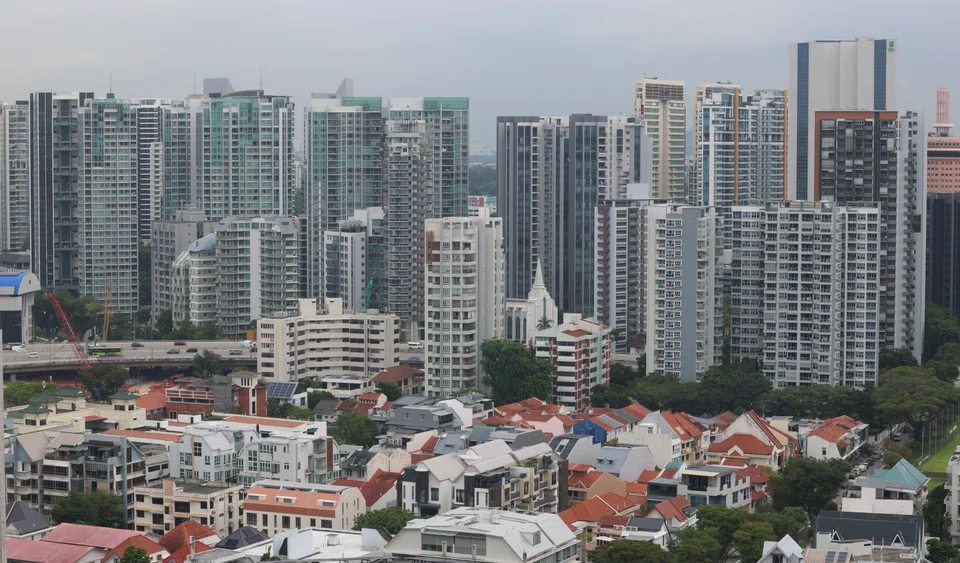
AS SINGAPORE celebrates six decades of remarkable nation building, few sectors have contributed more to the country’s success than real estate, which has had an impact reaching far beyond economics.
We often conceive of real estate as assets such as Housing & Development Board (HDB) flats, private housing, shops, offices and factories. They cost large sums of money and are highly desirable to own or invest in.
Yet, in Singapore, real estate has always been much more than just an asset class. Across the decades, it has been an instrument of public policy, an engine of economic growth, a creator of wealth, a platform for social cohesion and, increasingly, an enabler of sustainability and resilience.
Real estate 1.0 (1950s–1960s): Nation builder
The earliest phase of Singapore’s real estate evolution was fundamentally about survival.
At independence in 1965, the Republic faced an acute housing crisis. Nearly three-quarters of the population lived in overcrowded kampongs, squatter settlements or dilapidated shophouses with poor sanitation and limited infrastructure.
Housing was therefore not merely a property issue; it was a nation-building imperative.
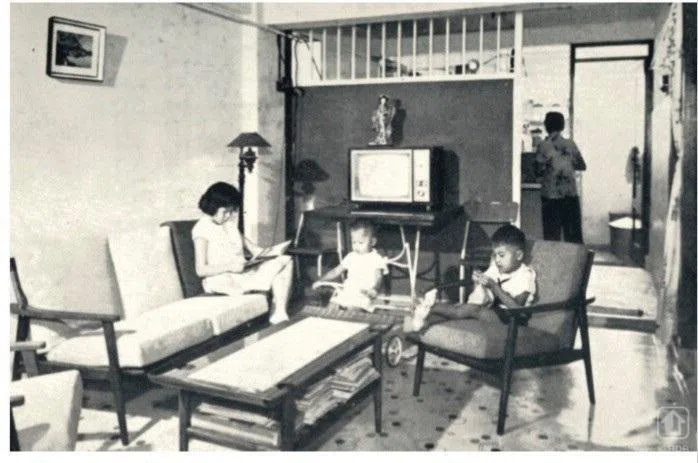
The establishment of HDB in 1960 marked one of Singapore’s most transformative public policy interventions. Using the powers conferred by the Land Acquisition Act of 1966, the government acquired land systematically to facilitate comprehensive urban redevelopment and public housing.
Within the first five years of its existence, the board had built more than 50,000 flats. By 1970, about one-third of Singaporeans were already living in HDB flats.
It was also during this period that the government introduced the Home Ownership Scheme (HOS) to enable Singaporeans to become lessees of HDB flats for 99 years. Homeownership became a cornerstone of Singapore’s social compact.
SEE ALSO




Allowing Central Provident Fund savings to be used for home purchases in 1968 enabled more ordinary Singaporeans to own their homes, fostering social stability, community identity and a tangible stake in the nation’s future.
Real estate’s role during this turbulent era of independence and self-government was, therefore, as a nation builder.
Real estate 1.5 (1970s): Development catalyst
Having addressed the immediate housing challenge, real estate evolved into a powerful catalyst for industrialisation and economic transformation.
The 1970s saw the rapid development of Jurong Industrial Estate, one of Singapore’s boldest economic initiatives.
Supported by industrial land planning, transport infrastructure and port expansion, Jurong attracted multinational corporations and established the Republic as a manufacturing hub.
Commercial real estate also expanded rapidly.
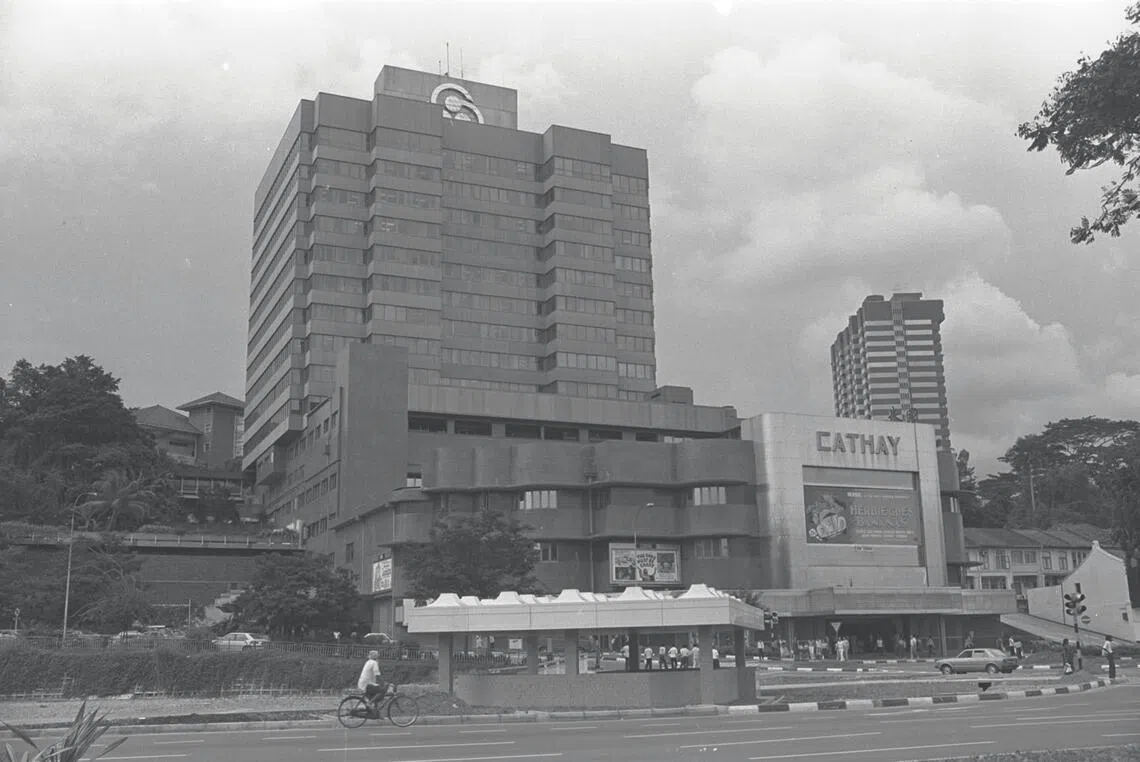
The redevelopment of the Central Business District began around the mouth of Singapore River. Godowns and shophouses gave way to soaring office towers in Raffles Place and Shenton Way, paving the way for Singapore’s growth as a financial hub.
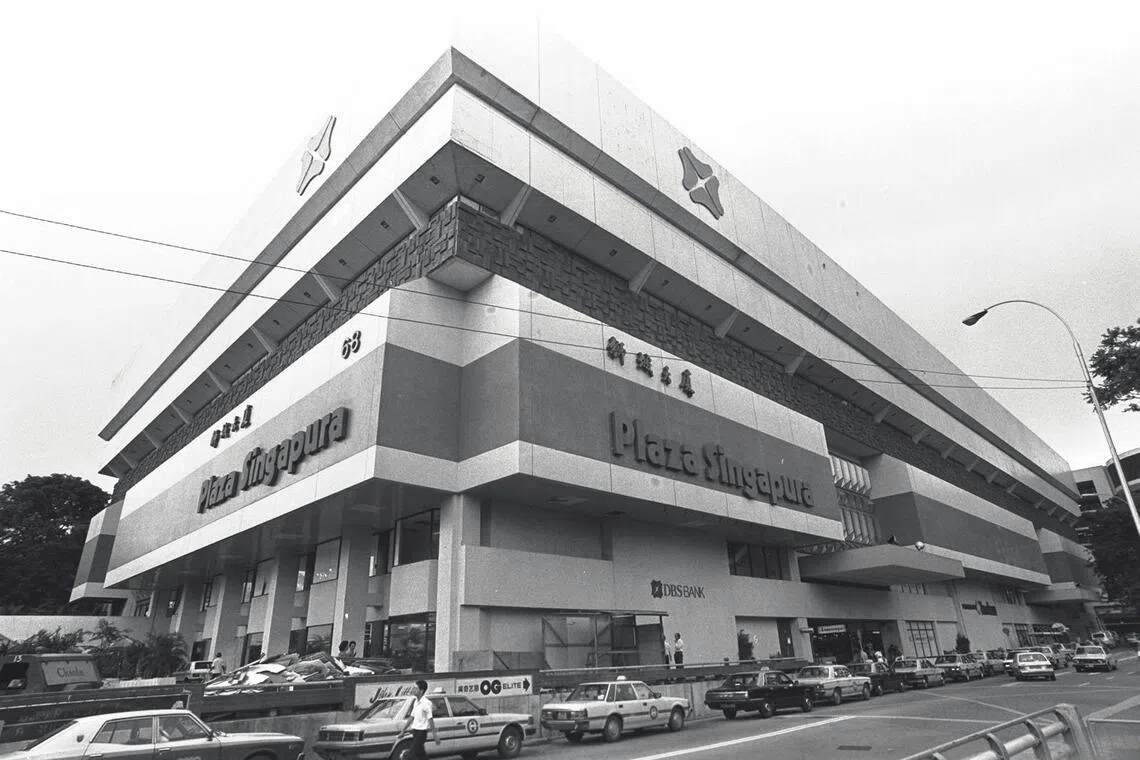
Modern shopping centres such as Plaza Singapura and Lucky Plaza emerged, fundamentally reshaping Singapore’s urban landscape while spurring domestic consumption, and creating a services and retail sector.
The Urban Redevelopment Authority’s Concept Plan released in 1971 introduced long-term integrated land use and transport planning.
The Concept Plan, now refreshed as the Long-Term Plan, together with the five-yearly Master Plan, seek to optimise land use and by extension value creation across the country.
There have been many iterations of both plans in response to demographic and socio-economic shifts. But in many ways, the Concept Plan produced a blueprint for housing, transport, industry and commercial developments to evolve cohesively rather than independently.
Real estate had therefore by this point become a powerful catalyst of national development, supporting investment, employment and economic diversification.
Real estate 2.0 (1980s–1990s): Wealth creator and economic engine
By the 1980s, Singapore’s economy had matured significantly.
The 1980s and 1990s were periods of stunning transformation for the Republic. Its economy began a multi-decade pivot from labour-intensive industries to higher value-added sectors such as precision engineering, electronics and chemicals.
It was also a period of massive infrastructure development. Changi Airport opened in 1981, and the first MRT trains started operations in 1987. Over the same period, mixed-use mega projects such as Raffles City, Marina Square and Suntec City emerged.
Homeownership surged, surpassing 80 per cent of resident households by the end of the 1980s.
Real estate increasingly became a generator of household and corporate wealth. The expansion of private residential developments, office buildings, business parks, hotels and retail centres reflected rising affluence and international investor confidence.
The government progressively liberalised the property market while carefully introducing cooling measures whenever necessary to maintain long-term stability and affordability.
The development of real estate investment trusts (Reits) in Singapore from 1999 transformed property ownership. Since the launch of the first Reit here in 2002, the Republic has become the largest Reit market in Asia ex-Japan.
According to the Reit Association of Singapore, there are some 39 traded Singapore Reits and property trusts, with an estimated total market capitalisation of about S$100 billion as at the end of March.
Property valuation, financing and professional services also matured rapidly, establishing Singapore as a regional real estate hub.
During this period, property became the principal store of wealth for many Singaporean households while attracting significant foreign investment into commercial real estate. The sector thus evolved into both a wealth creator and an important engine of economic growth.
Real Estate 3.0 (2000s–2020s): Global city, social stabiliser and sustainability enabler
At the start of the new millennium, the role of real estate shifted once again. Economic competitiveness remained important, but new priorities emerged as Singapore had become one of the world’s most globalised cities.
Real estate increasingly had to support cutting-edge knowledge industries, biomedical sciences, financial services, digital technology and innovation, not just as “space” to house these activities, but as “place” to optimise production processes, engineer cross-pollination of ideas, support prototyping and market testing.
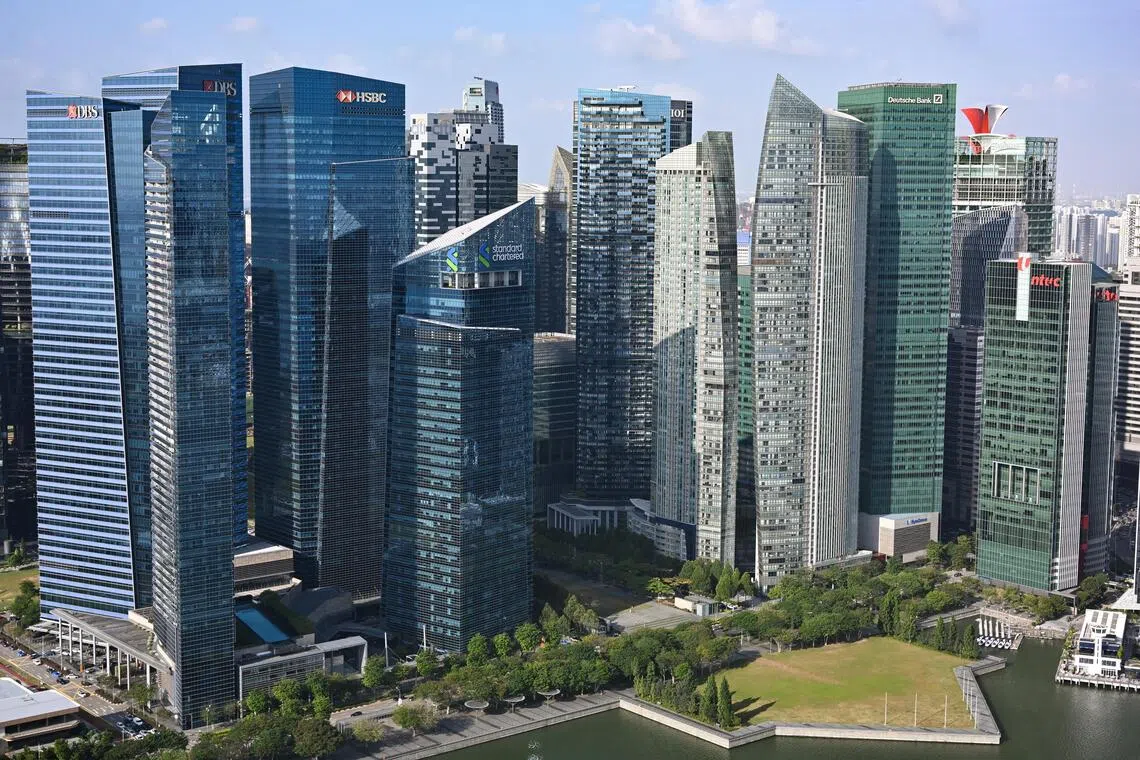
Major developments such as Marina Bay Financial Centre, One Raffles Quay, Paya Lebar Quarter, Jewel Changi Airport, Punggol Digital District as well as the upcoming Jurong Island data centre park and Greater Southern Waterfront exemplify how real estate has become a strategic platform for economic transformation.
At the same time, housing policy continued evolving to strengthen affordability and social stability. HDB today houses about 80 per cent of Singapore’s resident population; around 90 per cent of resident households own their homes, giving the Republic one of the highest homeownership rates globally.
Real estate also became an instrument for addressing demographic change and social well-being and cohesion. Age-friendly towns, barrier-free accessibility, community care facilities, healthcare infrastructure and integrated developments increasingly reflect the changing lifestyles and needs of Singapore’s ageing population.
Perhaps the most profound shift during this period has been sustainability.
Buildings account for about 20 per cent of Singapore’s carbon emissions. Improving building performance therefore represents one of Singapore’s largest decarbonisation opportunities.
The Building and Construction Authority’s Green Mark Scheme, introduced in 2005 and updated in 2021, has transformed industry practices. Today, two-thirds of Singapore’s buildings are now green, with the national target of greening 80 per cent by 2030.
More than 30 per cent of new developments today have achieved Super Low Energy status, and the highest-performing green buildings use 72 per cent less energy than buildings in 2025.
Modern developments increasingly incorporate solar energy, district cooling, smart building management systems, rainwater harvesting, green roofs and biodiversity-sensitive landscaping.
Real estate consequently became an important contributor not only to economic growth, but also to environmental sustainability, climate resilience and social well-being.
Real estate 4.0: Intelligent, regenerative and human-centred
Looking ahead, the next transformation may be even more profound.
Artificial intelligence, digital twins, robotics, advanced sensors, autonomous systems and machine learning are fundamentally changing how buildings are designed, constructed, managed and valued.
Buildings will increasingly become intelligent assets rather than passive physical structures. Digital twins will continuously optimise energy use. AI will predict maintenance requirements before failures occur.
Occupancy patterns will dynamically adjust lighting, ventilation and workspace configurations. Autonomous cleaning, security and logistics systems will become commonplace.
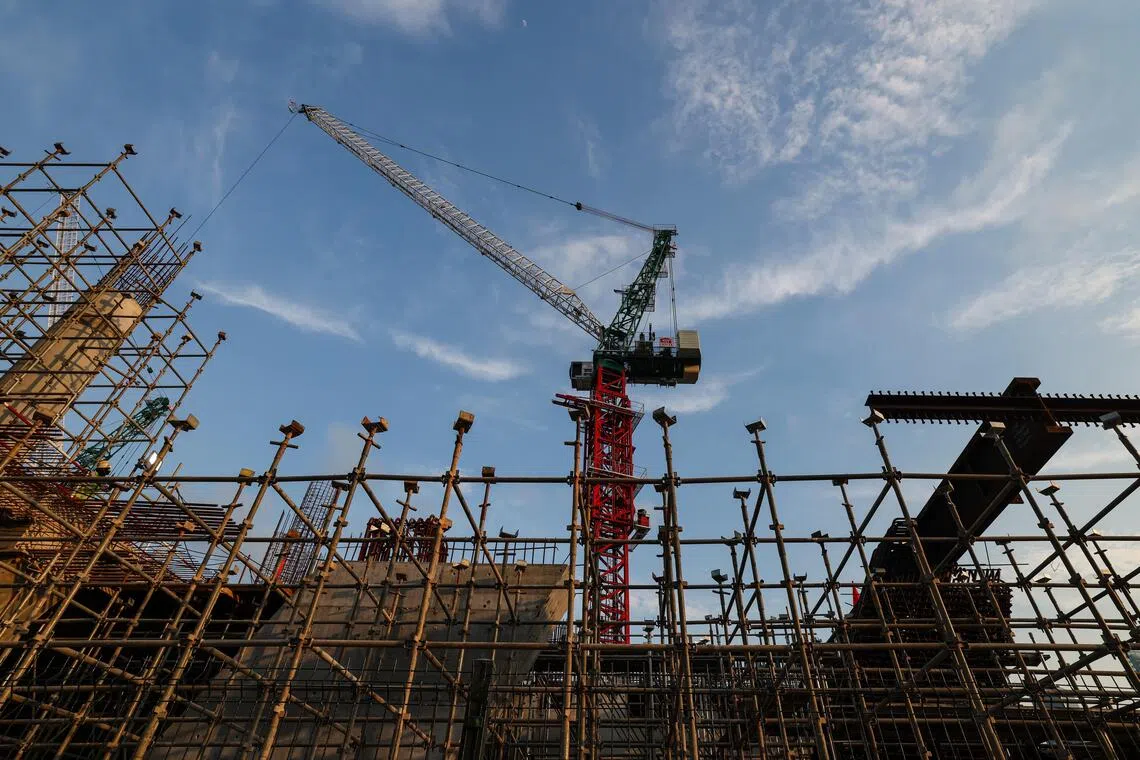
Yet, technology alone will not define “real estate 4.0”.
Climate change is reshaping investment decisions. Regenerative design, circular construction materials and climate resilience will become mainstream rather than optional. Future developments will increasingly integrate – among others – blue-green infrastructure, urban biodiversity, carbon reduction, flood resilience and heat mitigation as core design principles.
Singapore’s “City in Nature” vision already provides a glimpse of this future. Integrated, mixed-use developments are becoming self-contained ecosystems where people can live, work, learn and play within 15-minute neighbourhoods, supported by public transport, walking, cycling, digital connectivity and abundant green spaces.
Real estate will also become increasingly flexible. Buildings will be designed to adapt to changing demographics, evolving work patterns and new technologies throughout their life cycle rather than being built for a single purpose. Think of the co-working and co-living spaces that have mushroomed in recent years.
The emphasis will shift from maximising floor space to maximising long-term social, environmental and economic value – attributes that will increasingly determine a property’s attractiveness to users, investors and capital.
Property professionals will therefore also have to up their game and evolve, developing the skills and methodologies to assess how intelligence, sustainability, climate resilience, adaptability and human-centred design affect an asset’s income, risk, obsolescence, investment performance and ultimately its value.
Looking ahead
Over the past six decades, Singapore’s real estate sector has continually reinvented itself in response to changing national priorities and needs, from providing homes to enabling industrialisation, creating wealth, supporting global competitiveness, strengthening social cohesion and advancing sustainability.
Real estate has never been merely about constructing buildings. Instead, it has always been about building the future that Singapore needs.
Real estate will remain at the heart of that transformation – not merely as bricks and mortar, but as one of the nation’s most powerful platforms for shaping economic prosperity, environmental stewardship and social well-being.
In that sense, the story of Singapore’s real estate sector is far from complete. Its most exciting chapter may well still lie ahead.
Dr Amy Khor is honorary adviser and Tay Kah Poh is first vice-president of the Valuation and General Practice Division at the Singapore Institute of Surveyors and Valuers. Dr Khor was previously senior minister of state in the Ministry of Sustainability and the Environment, as well as in the Ministry of Transport.
Decoding Asia newsletter: your guide to navigating Asia in a new global order. Sign up here to get Decoding Asia newsletter. Delivered to your inbox. Free.
Share with us your feedback on BT's products and services
TRENDING NOW

Once staunchly pro-China, Malaysian Chinese businesses are now distancing themselves from Beijing

Looking beyond looming CEO succession, should UOB potentially pursue a transformative merger?

Could stablecoins be the future of money?

Grab CEO’s wife Chloe Tong on life with Anthony Tan and finding her purpose

