Singapore’s next lap: A more integrated, intelligent and sustainable city
A shift from individual assets to integrated urban ecosystems will shape the future of our real estate landscape
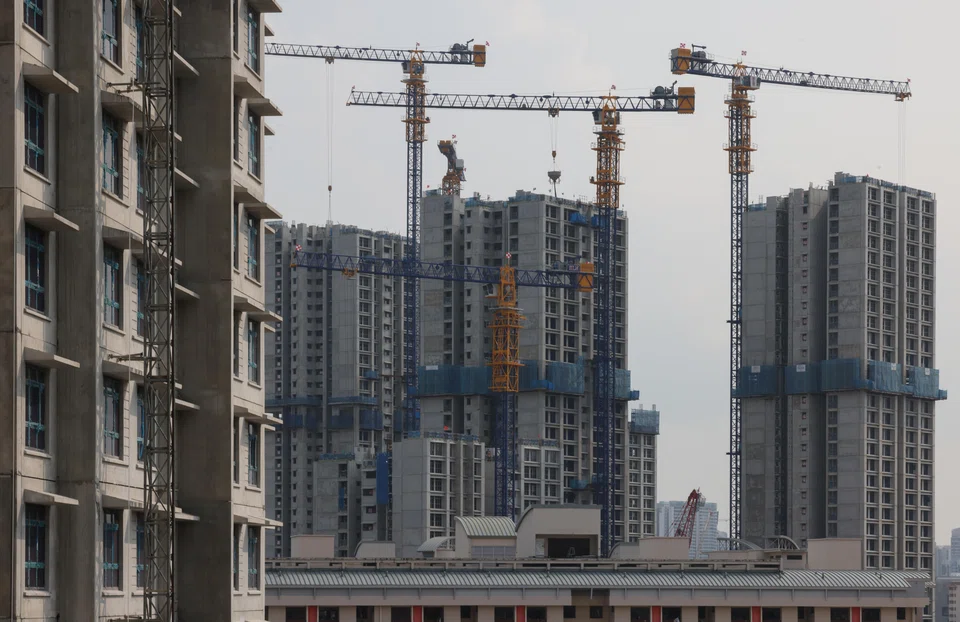
IT BEGAN as a pragmatic effort to provide affordable shelter and create jobs by reclaiming swamp land in Jurong for factories.
In the decades that followed, a young nation leapfrogged and developed into a globally connected financial hub and industrial powerhouse that draws talent, capital and innovation from around the world.
Over the last six decades, Singapore’s real estate story has been one of nation-building. The next phase will be about city-making at a much more sophisticated level – not just in building more space, but also in creating more connected, sustainable and intelligent places.
Singapore’s rapid economic growth and transformation have shaped urbanisation and development beyond meeting needs for housing and infrastructure.
In 61 years, the Republic has joined the ranks of advanced economies. Its real estate story mirrors that ascent, with an urban landscape and city skyline comparable to superstar cities such as Paris, London, New York and Tokyo. The next chapter will be no less transformative.
From standalone buildings to integrated ecosystems
For decades, urban and land-use planning was anchored in land optimisation and clear development parameters and controls. These parameters favoured efficient, largely single-use projects that could be delivered quickly to meet hard targets on economic growth, societal well-being and population numbers.
That model served Singapore well, but emerging challenges will drive the next cycle of urban development.
Sustainability, technology, economic competitiveness, as well as changing demographics and lifestyles are new, but fundamentally different economic forces that will redefine how we design and build – and how people live and work – in our urban environment.
Climate change demands greener, more resilient planning for precious land resources. The recent conversation on Maju Forest and Gillman Barracks reflects a more difficult trade-off between development and nature stewardship.
SEE ALSO





New technologies, such as drones and autonomous vehicles, will become an important part of future low-carbon transportation networks and infrastructure plying more car-lite towns.
On the economic front, Singapore will need to continue attracting investment and talent to drive growth.
Downtown financial districts can be home for businesses in global wealth management as well as meetings, incentives, conferences and exhibitions (Mice), among other sectors.
Sentosa-Brani is being positioned as Singapore’s major integrated leisure and tourism destination, while Orchard Road is being rejuvenated and refreshed into a multi-experience lifestyle belt, not just a shopping street.
Evolving lifestyles and flexible work practices will bring workplaces closer to home through decentralisation drives. Changing demographics will also shape housing demand, with more elderly-friendly facilities and assisted living services integrated into communities to promote active ageing.
Artificial intelligence has the potential to transform the entire property value chain, from planning and design to construction, asset management and urban governance.
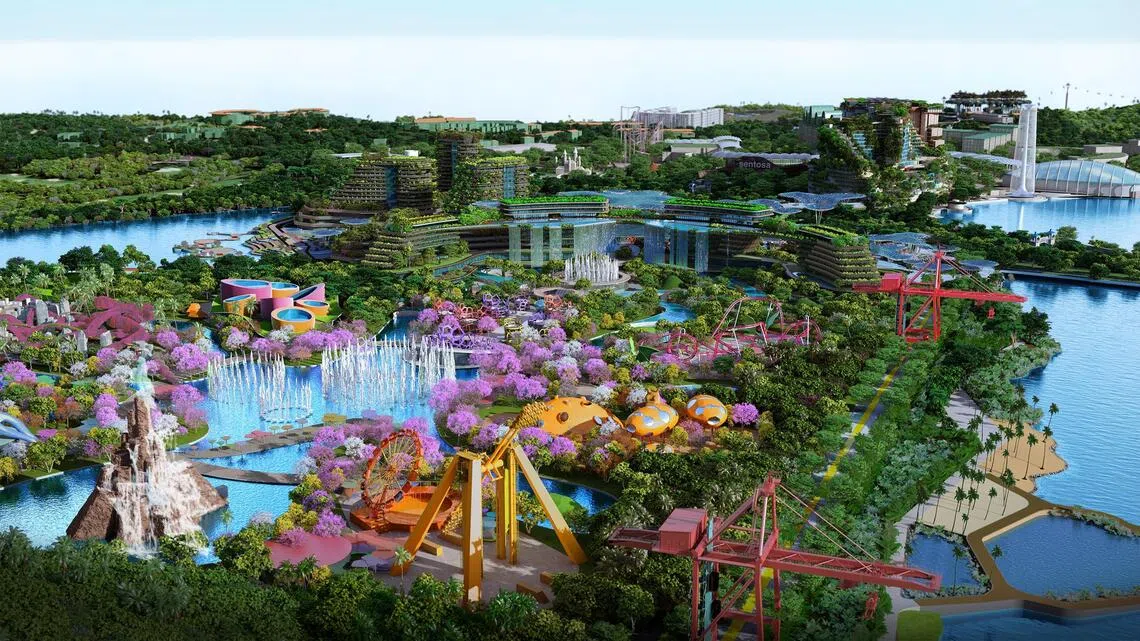
Singapore’s urban planning and development are expected to shift away from rigid single-land-use zoning for residential, commercial, industrial and recreational uses toward a more integrated, mixed-use approach.
“White sites” in the downtown Marina Bay area and regional centres reflect a strategic shift to building for adaptability, resilience and long-term competitiveness. More compact precincts and towns will be planned to create places where people can live, work, learn, shop and play with minimal travel.
What possibilities could we imagine for Singapore’s next act? I envision the transformations as exemplified in three planning areas: the Greater Southern Waterfront (GSW), the rejuvenation of Orchard Road, and the second Central Business District (CBD) in the making at Jurong Lake District (JLD).
A future downtown in the Greater Southern Waterfront
Consolidation of Singapore’s port activities at Tuas will free up some 1,000 hectares of land and 30 km of coastline along the island’s southern edge.
The GSW, stretching from Gardens by the Bay East all the way to Pasir Panjang in the west, symbolises the Republic’s future urban ambitions.
Tens of thousands of homes, along with new parks and amenities, are planned in areas sitting close to the CBD, extending just outside the downtown core.
“Downtown” cannot just be a 9-to-5 place. It should be a vibrant 24/7 mixed-use region that integrates commercial activity and innovation clusters with housing, green spaces, tourism, recreation and connectivity.
White sites allow for diversity and mixed use, creating unique, highly liveable, vibrant, exciting and culturally rich urban environments, which are characteristic of megacities around the world.
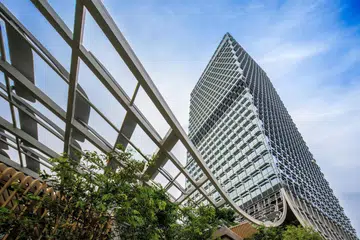
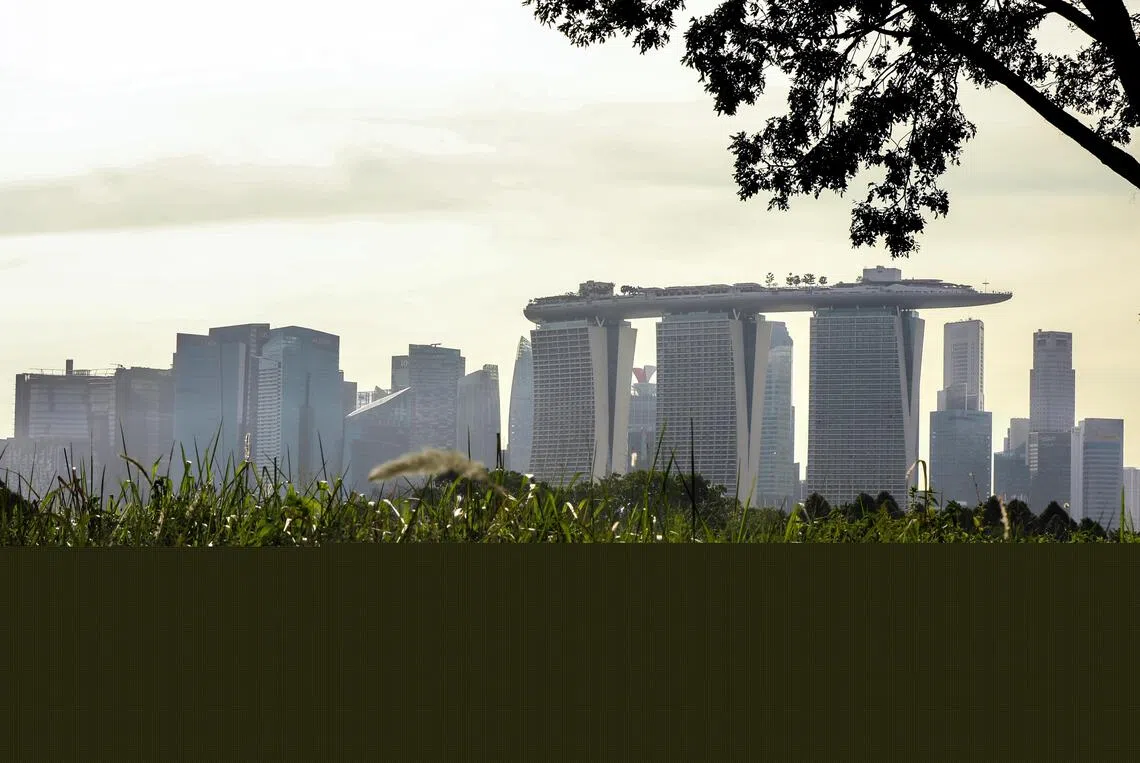
Extending from Raffles Place in the CBD into the reclaimed Marina Bay area, the downtown core will remain the main financial district, with a high concentration of prime real estate and skyscrapers dominating the skyline.
From work to play, the highly competitive Mice economy brings strong multiplier effects – hence the amped up efforts to maintain Singapore’s pull in the world arena. The Republic already hosts world-class sports and big-name entertainment; it will need to build on its strength.
Gardens by the Bay, along with a billion-dollar new wellness attraction by Therme in Marina South, and the Greater Sentosa Master Plan with an integration of Brani island, are collectively a game-changer to turn up the excitement factor.
Still, I feel the cultural and artistic aspects to Singapore’s attractions are a weaker link.
More uniquely Singaporean and Asian cultural elements could be added and better curated in the Civic District, which is already rich in great architecture such as the Esplanade, National Gallery Singapore, Asian Civilisations Museum, cathedrals, mosques and temples.
More luxury private condominiums will be planned in the GSW and downtown to attract ultra-high-net-worth individuals and global talent to settle in Singapore.
However, downtown cannot be just the backyard of the rich. More affordable housing should be made available – and is being built – in the area, such as the new Berlayar public housing estates, so that Singapore can avoid the urban poverty seen in some Western cities.
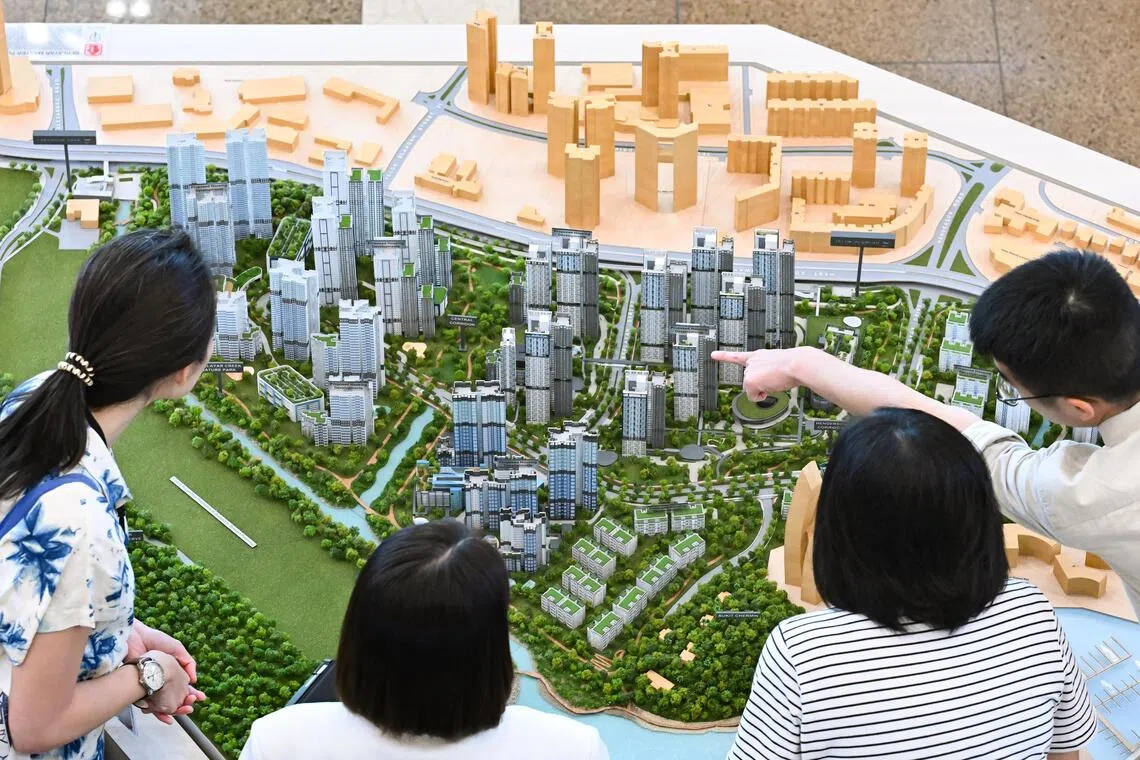
Traffic congestion is another urban challenge that suffocates many big cities.
With the Circle Line loop closed in July, Marina Downtown is now connected to five MRT stations: Marina Bay, Marina South Pier, Downtown, Bayfront and Gardens by the Bay.
Car-lite precincts in downtown could be enhanced through autonomous vehicles and automated people mover systems to smooth commuting and connectivity to downtown.
Climate resilience and sustainability are existential threats that must be taken seriously as we develop our physical infrastructure and space.
Low-carbon technologies, district cooling systems, water conservation systems, green roofs and walls, and solar panels are now being used to improve sustainability.
Marina Bay and Marina Channel are not just water bodies; together with Marina Barrage, they serve as coastal and flood control mechanisms to ameliorate threats from rising sea levels.
Reimagining Orchard Road
For decades, Orchard Road has served as Singapore’s premier shopping destination. However, global retail trends, digital commerce and changing visitor expectations have fundamentally altered shopping behaviours and disrupted businesses that rely on foot traffic.
Iconic department stores – from Daimaru to Robinsons – have closed. Metro will soon shutter its last two stores and Isetan has downsized.
Elsewhere in top destination cities, prime retail districts – Bond Street in London, Fifth Avenue in New York, Ginza in Tokyo and Myeongdong in Seoul – are reinventing themselves. The competition among these urban shopping belts is significant as they seek to attract tourists and set retail trends.
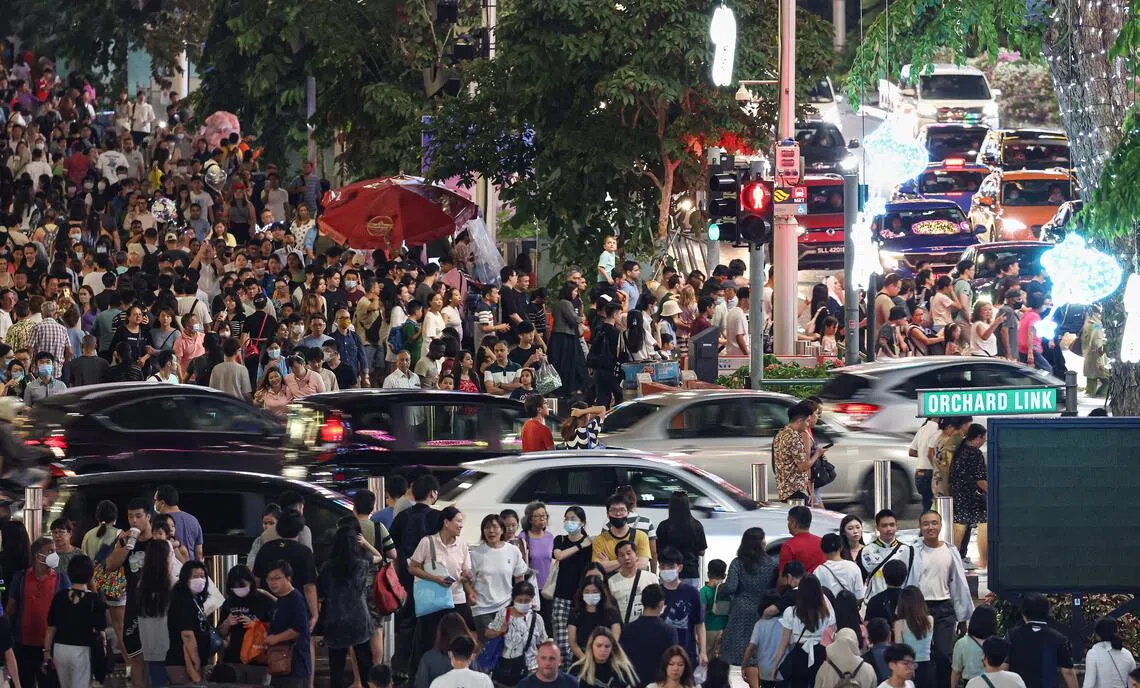
Orchard Road therefore cannot live on its past glory alone. It will also need to innovate and offer new experiences beyond shopping to keep pace with other shopping destinations and online platforms, and find ways to bring people back to the area.
The future of Orchard Road will depend less on the retail business and more on its ability to create unique experiences that cannot be replicated online. Rather than competing solely as a shopping street, it must evolve into a multidimensional destination combining retail, culture, food, nature and events.
Shopping experiences are increasingly linked to other interactive activities, including performances, shows and events.
Successful pop-up experiential concepts and rotating brand activations in Seoul’s Seongsu-dong offer lessons that Singapore can learn from and adapt, to enhance the retail ecosystem and spur entrepreneurial ideas, encouraging more home-grown startups to launch new products in Orchard.
Recent rejuvenation initiatives are aimed at strengthening the area’s appeal as a lifestyle destination, through new hospitality concepts, public spaces, activation programmes and experiential offerings.
The planned merging of Dhoby Ghaut Green and Istana Park is not only about adding green to the area, but also creating the potential to experiment with nature-based green solutions, such as multi-functional water gardens with a stormwater run-off management system.
I envisage major redevelopment and renewal along Orchard Road, bringing high-density, transit-oriented mixed-use developments near the Somerset, Orchard and Dhoby Ghaut MRT stations.
More residential developments will also be planned for greenfield and brownfield sites around Orchard Boulevard, Grange Road and the Newton-Paterson Road areas. New developments will increase the density of residents and workers, providing sufficient catchment, supplemented by tourists, to support new retail and lifestyle businesses in the area.
Beyond the downtown core in Jurong Lake District
Perhaps the most significant move towards transformation in Singapore is the development of JLD.
Envisioned as the largest mixed-use business district outside the city centre, JLD will add offices, housing, retail and hospitality in western Singapore, along with community uses and recreational spaces with the expanded Jurong Lake Gardens and the new Science Centre, with enhanced rail connectivity provided by four MRT stations sited there.
JLD reflects a long-term push to decentralise jobs, amenities and growth opportunities beyond the traditional downtown core.
It is a test bed for a more distributed urban economy, to attract investment in future economies in high-value precision manufacturing, biotechnology, semiconductors, low-carbon technology, energy and other sectors, leveraging its geographical advantages and proximity to talent pools at world-class research institutions and universities in the west.
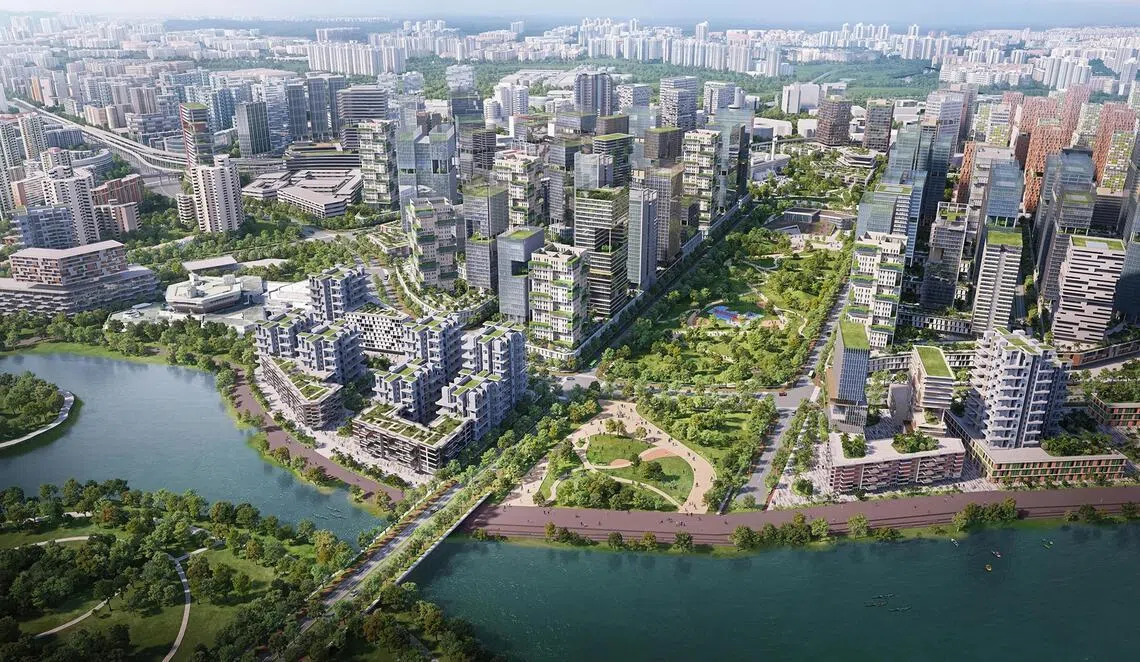
JLD could be a model of Singapore’s economic and urban development, after successful towns such as Silicon Valley in Palo Alto near Stanford University; Kendall Square in Boston near the Massachusetts Institute of Technology and Harvard University; and Shenzhen, home to tech giants such as Tencent, DJI, BYD and Huawei.
Residents in the area can also gain access to quality jobs nearer to home, and their daily lives are built around a car-lite, park-like, transit-oriented environment.
Several housing estates near JLD already provide a large population catchment to support a strong regional retail hub in Jurong East.
To be a city in nature, Singapore’s next lap will be defined by integration: combining land use, technology, people, nature and economic activity into a seamless urban experience.
The writer is provost’s chair professor, Department of Real Estate, National University of Singapore Business School. The views in the article are the author’s and do not represent those of the university and its affiliations.
Decoding Asia newsletter: your guide to navigating Asia in a new global order. Sign up here to get Decoding Asia newsletter. Delivered to your inbox. Free.
Share with us your feedback on BT's products and services