

The high cost of waiting for airport capacity
Long-term infrastructure planning must leave room for adaptation as circumstances change

IN 2013, Singapore set out a long-term plan for Singapore Changi Airport’s next major expansion: Terminal 5 and the Changi East development.
A year later, work began to prepare the site. But it was not until 2025 that construction of Terminal 5 itself began.
The project was paused for two years during the Covid-19 pandemic, during which Singapore’s Ministry of Transport, the Civil Aviation Authority of Singapore and Changi Airport Group reassessed the trajectory of aviation growth and reviewed the terminal’s design to make it more modular, resilient and sustainable.
The terminal is expected to be ready around the mid-2030s. That timeline captures the fundamental reality of airport infrastructure: From the planning stage to the arrival of the first passengers, things can take decades.
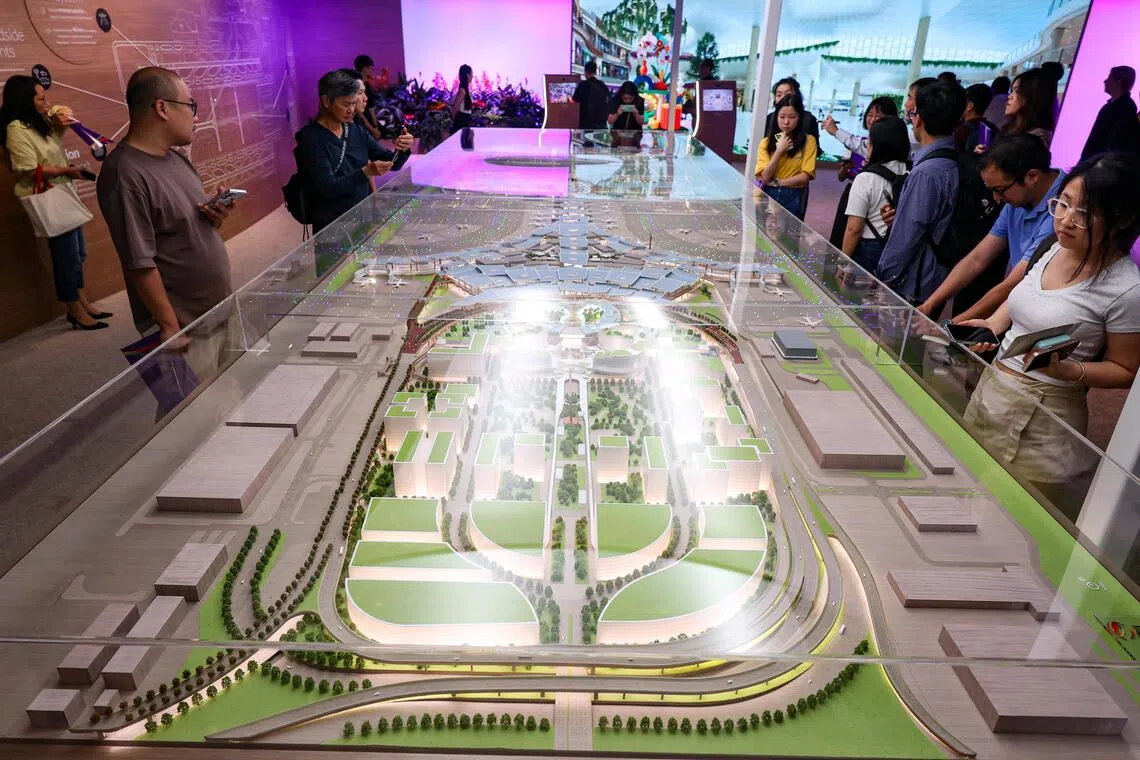
Changi East involves not only a terminal, but also a three-runway system, expanded cargo facilities, tunnels and supporting infrastructure.
Long-term infrastructure planning cannot simply be about building for a forecast; it must allow infrastructure to adapt as circumstances change. This is the reality of planning infrastructure that must serve an airport, city and economy for generations.
The dilemma is one faced by airports across the Asia-Pacific and Middle East: Passengers arrive one by one, but capacity cannot be added at the same pace. By the time congestion becomes obvious, the decisions needed to address it may already be years overdue.
And the challenge does not end with capacity. Airports must also prepare for climate risks and rapidly changing technology. Infrastructure built now may still be operating decades later, so investment decisions made today have to anticipate tomorrow’s needs.
Demand is coming
There is little doubt that air travel will continue to grow. Our long-term forecasts to 2054 point to annual passenger growth of 3.6 per cent in the Asia-Pacific and 4 per cent in the Middle East.
SEE ALSO






This may look modest, but over three decades, it translates into billions of additional journeys. Global passenger traffic is expected to reach 23 billion by 2054, with the Asia-Pacific alone accounting for around 10 billion passengers and the Middle East, 1.4 billion.
This growth will put a premium on one thing: having the infrastructure ready before demand arrives.
Our assessment identifies more than US$240 billion in planned airport investment through 2035, including US$135 billion for modernisation and US$105 billion for new airports. Together, these projects could add capacity for more than 1.2 billion passengers and 71 million tonnes of cargo.
The sum is a significant commitment, but it is not the full requirement. Airports must also replace ageing infrastructure, strengthen climate resilience, reduce emissions, upgrade digital systems, and secure the land and supporting infrastructure needed for future development.
Infrastructure built today must also be flexible enough to accommodate technologies that may become standard in the future.
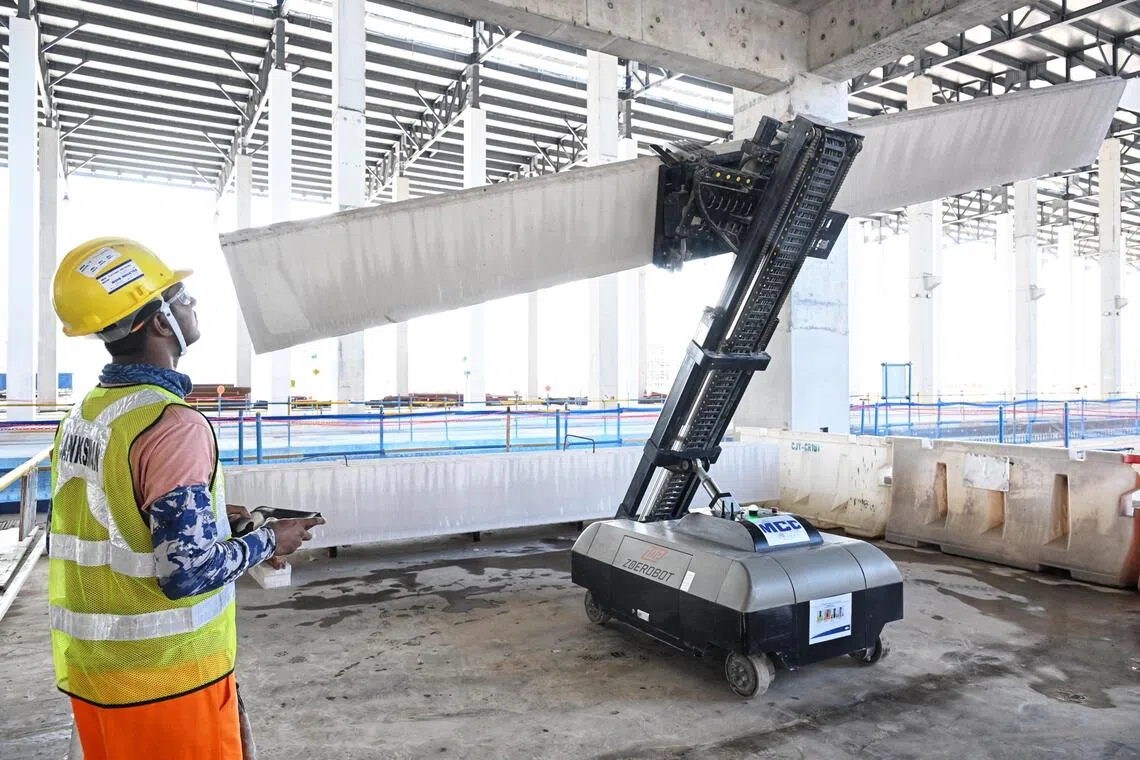
The scale of investment inevitably raises the question of funding. Given the wider economic value of airports, funding should reflect their benefits, with governments, airports and users sharing the cost.
For a US$1 billion investment, pre-financing – instead of solely taking on debt and equity – can save around 30 per cent in financing costs. While the exact savings will vary depending on the financing structure and cost of capital, securing funding in advance can significantly reduce the overall cost.
Taking on debt incurs interests and fees, as well as exposure to refinancing risks should rates rise or credit tighten, whereas raising capital through equity requires high returns to investors.
Users ultimately pay either way; the question is when and at what cost. Building ahead is therefore not only good planning, but also a more cost-effective way to deliver capacity.
More than flight hubs
Airports should be viewed as economic infrastructure. They are a critical enabler of value creation within aviation, as they connect people to jobs, businesses to markets, and cities to the rest of the world, while air cargo supports trade and the supply chains that economies depend on. In Asean, airports support an estimated 1.6 million jobs and around US$55 billion in gross domestic product.
There are also wider economic benefits from aviation. The aviation sector contributes US$244 billion in GDP and supports 23.3 million jobs across Asean through tourism, productivity, trade and investment.
The scale of this impact in the region is largely generated by international traffic. Total direct, indirect and induced jobs and GDP supported by international air traveller spending amounted to almost US$138 billion, and 15.7 million jobs were created in the 11 Asean states.
Singapore is an important contributor to this value generation. Its aviation sector is estimated to have supported 597,000 jobs and US$47.8 billion in GDP in 2025, representing about 35 per cent of the total generated across Asean through international tourism by air.
Changi Airport illustrates what this long-term approach can achieve. Terminal 5 is being developed ahead of the demand it is expected to serve, giving Singapore the capacity to sustain the connectivity on which its economy depends.
Preparing for a changing climate
Airports also have to build for a future that will look different from today. Rising temperatures, extreme storms and sea-level rises can disrupt operations and damage infrastructure, making climate resilience an important part of long-term planning.
Airports were the first part of the aviation industry to make a collective commitment to work towards net-zero emissions within their scope. But commitments alone are not enough.

Airports Council International Asia-Pacific & Middle East (ACI Apac & MID) is helping airports through the Net Zero Roadmap, Airport Carbon Accreditation and the ACA Incentive Programme, which helps smaller airports overcome financial and technical barriers.
Over 600 airports are accredited under the Airport Carbon Accreditation programme globally, with over 100 in the Asia-Pacific and Middle East Region, including seven of the 30 that have reached the highest grade, Level 5.
The same focus on practical action is being applied to climate resilience. ACI Apac & MID has also worked with 47 airport operators across the region to develop and validate climate risk assessment tools and guidelines. Future infrastructure must be climate-resilient by design, while existing facilities need to adapt to reduce vulnerabilities.
The road ahead
The scale of the opportunity makes the choices facing governments, airports and investors increasingly important.
It is estimated that the Asia-Pacific and Middle East will account for nearly 50 per cent of global traffic in three decades, with nine of the world’s fastest-growing markets in the region. That scale of growth makes the decisions taken today increasingly consequential.
Governments need to create an environment that gives airports the confidence and ability to plan and invest for the long term. Policies and regulatory frameworks should support capacity expansion across different airport models, while approaches to slots need to evolve with the industry.
Airports, meanwhile, need to look beyond the immediate demand cycle and make investment decisions before capacity becomes constrained.
The Middle East experience shows why a short-term shock should not be mistaken for a long-term demand shift. The conflict that began on Feb 28 cut regional passenger traffic by 25 per cent in the first half of the year, while 11 major airports saw a 34 per cent decline in flight operations between March and August.
The lesson is not that shocks can be ignored, but that infrastructure decisions should not be driven by temporary disruptions.
The real test is whether we are prepared early enough. Building airport capacity takes years; the economic opportunities it enables can last for generations.
The writer is director-general, Airports Council International Asia-Pacific & Middle East, the trade body representing more than 600 airports
Decoding Asia newsletter: your guide to navigating Asia in a new global order. Sign up here to get Decoding Asia newsletter. Delivered to your inbox. Free.
Share with us your feedback on BT's products and services
TRENDING NOW

Once staunchly pro-China, Malaysian Chinese businesses are now distancing themselves from Beijing

Looking beyond looming CEO succession, should UOB potentially pursue a transformative merger?

Could stablecoins be the future of money?

Grab CEO’s wife Chloe Tong on life with Anthony Tan and finding her purpose

