

Why Singapore’s AI moment needs more than technology
The forces reshaping work are also bringing to the fore the skills that machines cannot replicate
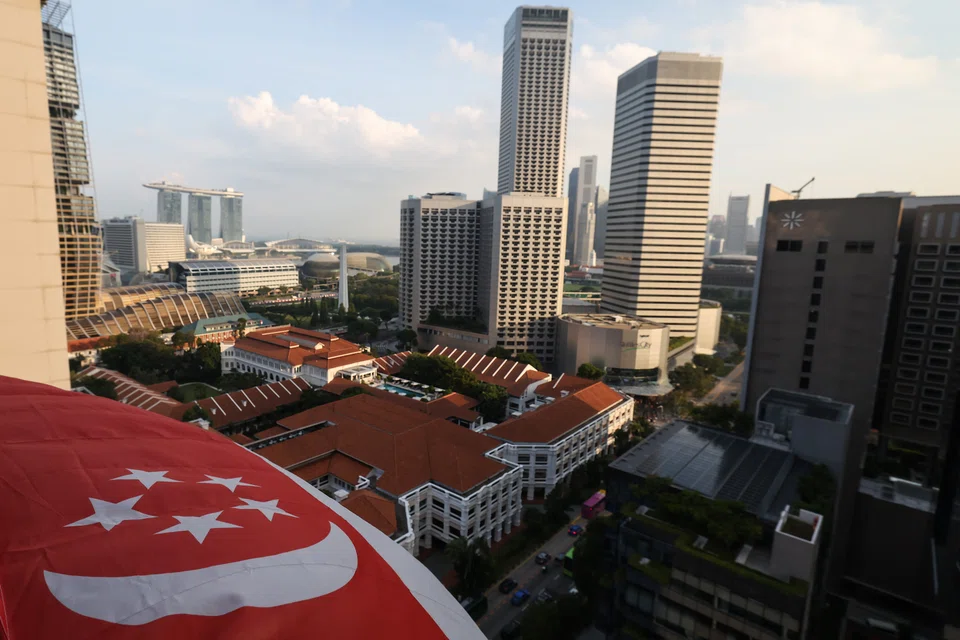
SINGAPORE’S ambition for its next economic chapter is unmistakable.
At the National Day Rally, Prime Minister Lawrence Wong made it clear that embracing artificial intelligence on our own terms with our people at the centre is not optional. It is the next chapter of how Singapore stays relevant in a changed world.
The numbers reflect this urgency. In Singapore, 80 per cent of C-suite leaders are increasing AI investments and 45 per cent of organisations are already piloting or deploying agentic AI.
Confidence is high, with 64 per cent of executives believing that agentic AI will deliver board-level business outcomes within 12 months.
Even amid talk of an AI bubble, only 15 per cent of leaders think one exists, and 58 per cent say they would continue investing even if it did.
Yet, confidence and readiness are not the same thing. Despite the scale of investment, only 18 per cent of organisations report widespread, sustained business value from AI.
Why AI stalls before it scales
What makes this AI moment fundamentally different from earlier waves of digital transformation is the nature of the technology itself.
Previous transformation was heavily IT-led, digitising existing channels and migrating systems. The work was additive: layering new tools onto existing processes, training people to use them and measuring adoption by usage rates.
The underlying organisation did not need to change. Technology adapted to the business.
SEE ALSO








AI inverts that relationship. It reasons, decides and acts. It is not a passive system waiting for humans to analyse data and make decisions. It is an active participant in how work gets done.
Furthermore, unlike earlier technology waves, AI does not just change how tasks are executed. It also changes which tasks exist, who is responsible for them and what judgment looks like at every level of the organisation.

Three barriers consistently hold leaders back.
The first is data: Without clean, connected infrastructure, models that perform well in pilots routinely fail in production.
The second is institutional knowledge: AI outputs stay generic rather than business-specific when they cannot draw on an organisation’s own processes, policies and context.
The third, and most consequential, is people: Organisations that deploy AI without redesigning surrounding workflows or governance find that the technology functions as a siloed tool rather than a workforce multiplier.
Humans in the lead
The forces reshaping work are also bringing to the fore the skills that machines cannot replicate.
Contextual awareness matters. Strong interpersonal communication matters. So does the judgment to challenge an AI output when something does not feel right.
These are not soft skills; they are the hard edge of human competitive advantage in an agentic world.
At Accenture, we draw a clear distinction between humans in the loop and humans in the lead.
A human in the loop reviews an AI output. A human in the lead sets the direction, defines what good looks like, and exercises judgment where it matters most – while AI scales execution around them.
The difference is not semantic. It determines whether AI compounds an organisation’s capability over time or simply automates its existing limitations.
This is why businesses carry critical responsibility in how they redesign work.
In an agentic world, work can no longer be treated as synonymous with a job title. It must be broken down into individual tasks, and for each task, organisations must ask honestly: What should AI handle, what requires human judgment, and where do the two work best together?
By designing work this way, technology-driven productivity leads to genuine capability growth rather than hollow efficiency gains, supporting Singapore’s commitment to avoiding jobless growth.
That redesign also requires something most organisations have not yet built deliberately: a continuous learning loop.
When employees supervise agents, correct outputs and provide real-time feedback, AI becomes more accurate, human judgment becomes sharper and the advantage compounds with every iteration.
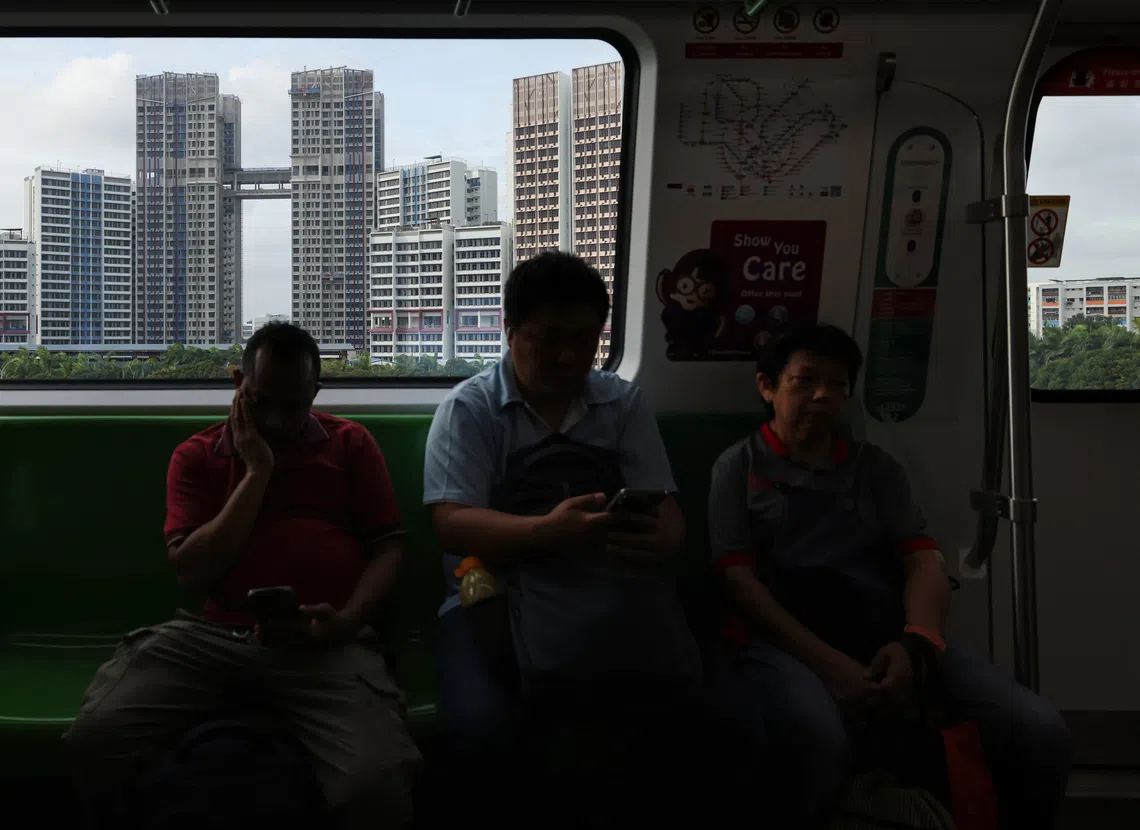
Building trust at the speed of intelligence
Even with the best tools and the strongest learning infrastructure, value can only be created where people are willing to use judgment, challenge AI outputs and surface failures when they arise.
That requires trust – in the technology, in the process and, most importantly, in the organisation’s intentions.
The data on trust in Singapore is a serious warning. Only 23 per cent of Singapore employees truly trust their employer to act in their best interest when introducing AI.
That deep-seated suspicion will not be resolved by reassurance messaging or another town hall. It requires consistent, credible action – and it requires leaders to own it as an operational requirement, not a cultural aspiration.
Trust, once built, is the force multiplier of everything else. It turns cautious adopters into true collaborators. It makes the difficult conversations about roles changing and skills needing renewal survivable rather than destabilising.
It is the foundation of the long-term employee-employer compact that AI transformation at speed hinges upon.
High adoption with low trust is a leading indicator of plateau, not progress.
Growing up as a Singaporean and spending more than two decades in the technology sector, I have come to believe that our nation’s greatest asset has always depended on the smooth, reliable flow of trade, data and talent.
At the centre of all those flows sits one non-negotiable currency: trust.
Singapore’s competitive advantage has never been about moving fast and disrupting for its own sake. It is about accelerating with purpose, discipline and our people at the core.
Algorithms will not write the next chapter of the Republic’s economic success. That responsibility belongs to our people – leading the technology, shaping the tools and building a future where human ingenuity always stays in the lead.
The writer is country managing director, Accenture Singapore
Decoding Asia newsletter: your guide to navigating Asia in a new global order. Sign up here to get Decoding Asia newsletter. Delivered to your inbox. Free.
Share with us your feedback on BT's products and services






