Asean vs China: Who will be the next decade’s winner?

This week in Asean:
- Malaysia: Bursa Malaysia H1 net profit up 17.4 per cent
- Thailand: Digital wallet registration opened
- Vietnam: US to decide on recognising Vietnam as a market economy
- Indonesia: Launched new phase of industrial park to lure investors away from China
Dear BT reader,
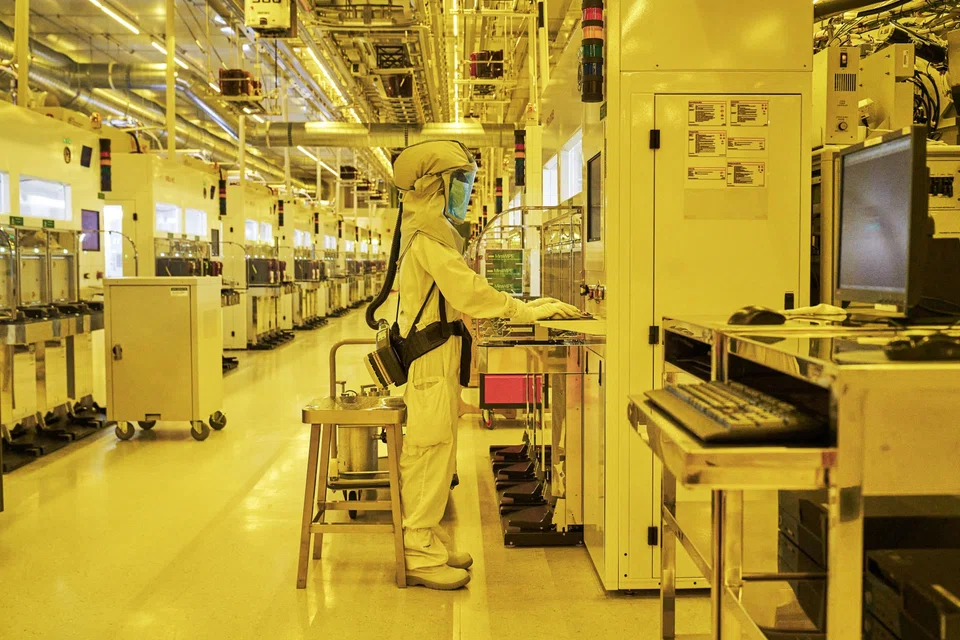
This week, we took a closer look at Malaysia and Thailand in our chip series.
Malaysia’s semiconductor industry is booming as global companies move beyond China due to rising US-China tensions. The country, which handles 13 per cent of the world’s assembly, testing and packaging services, has been a magnet for foreign investments.
With a solid semiconductor ecosystem, a skilled workforce and strategic moves like its National Semiconductor Strategy, Malaysia is strengthening its role as a key player in the industry.
But it’s not all smooth sailing — issues like a brain drain and the need to quickly adapt to advanced packaging tech are key challenges, as our Malaysia correspondent, Tan Ai Leng, discovered.
In contrast, Thailand is trailing behind its regional peers in the sector, contributing only 1.5 per cent to the global market share of integrated circuits.
While Singapore and Malaysia have made progress in moving up the semiconductor value chain, building capacities in integrated circuit design and fabrication, Thailand’s role remains largely limited to downstream activities like assembly and testing.
Despite recent government efforts to attract more investment and foster talent, Thailand still faces significant challenges in catching up with its neighbours in the high-stakes chip race. Read our Asean journalist Goh Ruoxue’s story to find out more.
As we enter August, the region is set for a strong finish to 2024, driven by a global electronics upturn and a rebound in tourism.
The electronics cycle is expected to boost growth in Singapore, Vietnam, Malaysia and the Philippines, while Thailand, Malaysia and Singapore are likely to benefit from increased tourism, thanks in part to their new visa policies.
Looking further ahead, the top six economies in Asean are expected to outpace China’s growth in both gross domestic product and foreign direct investment over the next decade, according to a new report by DBS, Bain and Angsana Council.
While the region has lagged behind China over the past 30 years, it has now strengthened its fundamentals for renewed growth by improving key areas such as manufacturing and semiconductor packaging and by attracting investments in emerging sectors like data centres.
That said, China’s manufacturing and innovation remain ultra-competitive, and the report suggests that the best strategy for most South-east Asian countries may be to collaborate closely with China in areas such as the green transition.
I hope you have enjoyed this week’s reads. Be sure to check out more stories in the sections below, and see you next Friday!
Trending
Singapore fashion and lifestyle retailers are eyeing Indonesia – South-east Asia’s largest market with a population of 279 million and a retail sales industry projected to reach US$243 billion by 2026 – as a new land of opportunity.
Consumers in Indonesia, can look forward to a pop-up featuring eight home-grown Singapore brands, including collectibles player Mighty Jaxx, fashion label Ginlee Studio and lifestyle brand The Paper Bunny, coming this November.
Asean in brief
- What to look out for ahead of US’ decision on Vietnam’s market-economy status The United States is set to make a decision on Friday (Aug 2) on whether to recognise Vietnam as a market economy – a status that means lower US tariff rates on the South-east Asian country’s goods. Read more
- VinFast delays launch of US factory, revs up debut of Asian plants VinFast’s revised plans to delay its US factory launch by three years and expedite the opening of its two Asian facilities in 2025 could optimise capital expenditure as the Vietnam-based automotive company navigates tough market conditions in the US. Read more
- Indonesia launches new phase of industrial park in bid to lure investors away from China Indonesian President Joko Widodo on Friday (Jul 26) launched the second phase of an industrial complex in Central Java intended to attract investors looking to diversify their supply chains away from China. Read more
- Indonesia’s Widodo starts working in new capital as basic infrastructure takes shape In a significant step towards realising Indonesia’s ambitious capital relocation project, Indonesia’s President Joko Widodo officially commenced operations in Nusantara, the country’s new capital, on Monday (Jul 29), despite earlier delays. Read more
- Thailand seeks to reverse brain drain with five-year tax breaks Thailand will slash by about 50 per cent the personal income tax rate of professionals who are willing to return home to work for companies as the nation seeks to attract manpower for industries ranging from electronics, automobiles, robotics and aviation. Read more
- Thai June factory output falls more than forecast as car output slumps Thailand’s manufacturing production index dropped 1.71 per cent in June from a year earlier due mainly to lower car production and higher energy costs, the industry ministry said on Wednesday (Jul 31), missing analysts’ expectations. Read more
- Thailand plays catch-up after a slow start in region’s chip race Semiconductors are the shiniest toys in the playpen of the ongoing US-China tech stand-off. But while the likes of Malaysia, Singapore, Vietnam and – to some extent – the Philippines are already pulling ahead, Thailand is well off the pace. Read more
- Malaysia’s chip sector booms amid US-China tech clash Malaysia, already a key player in the chip sector, supplies 13 per cent of the global demand for assembly, testing and packaging (ATP) services. It is quite possibly also the region’s biggest beneficiary of the supply chain shifts prompted by US-China tensions. Read more
- Bursa Malaysia H1 net profit up 17.4% to RM155.5 million Bursa Malaysia’s net profit rose 17.4 per cent year on year to RM155.5 million (S$45.2 million) for the first six months of 2024. Read more
- Malaysia’s balancing act: national pride and commercial realities Every now and then, Malaysia Inc faces a reckoning, balancing national pride against commercial pragmatism, writes BT deputy news editor Anita Gabriel. Read more