

Hong Kong's Hang Seng benchmark paves way to include Alibaba
 Add BT as a preferred source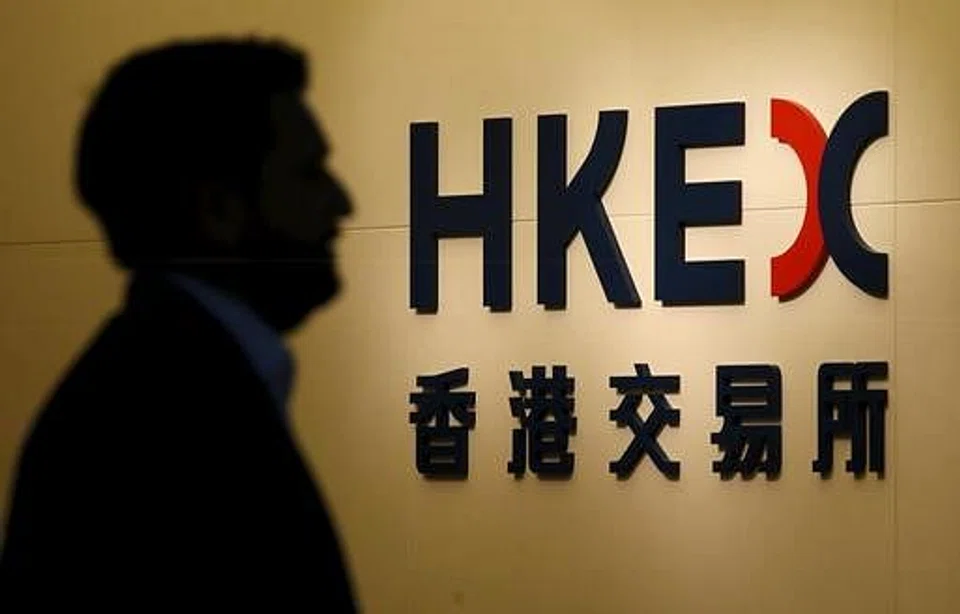
DeeperDive is a beta AI feature. Refer to full articles for the facts.
[HONG KONG] The Hang Seng Index made rule changes on Monday to allow it to incorporate Chinese internet giants Alibaba, Xiaomi and Meituan Dianping, a move set to shake up the composition of the 50-year-old index.
The benchmark in the Asian financial hub is dominated by financial services institutions and conglomerates such as HSBC and CK Hutchison.
"There is a perception that local indices like Hang Seng aren't necessarily reflective of the opportunity set available out there," said Michael Lai, China equities portfolio manager at Franklin Templeton.
"(Inclusion) would be a reflection of how the Chinese markets, companies have developed."
Companies from Greater China with a secondary listing in Hong Kong and those with two classes of shares carrying different voting rights will be included in the index, starting from August, with a weighting cap of 5 per cent, the index provider said in a statement.
Hong Kong's stock exchange started allowing companies to list with two classes of shares in 2018, and also streamlined secondary listings by Chinese companies listed overseas, enabling the three tech companies' entry into the market.
Navigate Asia in
a new global order
Get the insights delivered to your inbox.
Alibaba, Xiaomi and Meituan - the only companies with dual-class or equivalent structures in Hong Kong - are typically among the top five stocks traded there by value each month.
Adding the three companies could drive passive fund flows of US$3.7 billion into their shares, Morgan Stanley's analysts said in a note before the announcement. The tech trio are also eligible to join the Hang Seng China Enterprises Index.
Alibaba has a voting structure different from the other two. A small group of current and former senior managers can nominate a majority of its board. But it is likewise treated as a dual-class shares firm by the Hang Seng Indexes Company.
It is also the only one of the three with another listing elsewhere, in New York.
Other companies with dual-class shares, such as US-listed internet company Baidu and online commerce firm JD.Com are planning secondary listings in Hong Kong, Reuters reported this year.
The Hang Seng is tracked by US$20 billion of exchange-listed products globally and US$8 billion of local retirement plans, the index provider said in a consultation paper in January.
REUTERS
Decoding Asia newsletter: your guide to navigating Asia in a new global order. Sign up here to get Decoding Asia newsletter. Delivered to your inbox. Free.
Share with us your feedback on BT's products and services
TRENDING NOW
‘Boring’ is the new black: The stars are aligning for a Singapore stock market revival
Near sell-out launches in March boost developer sales to 1,300 units after four slow months
China pips the US if Asean is forced to choose, but analysts warn against reading it like a sports result

Genting Singapore’s Lim Kok Thay receives S$7.5 million pay package for FY2025

