MPA traces origin of contaminated bunker fuel, calls for stricter quality tests

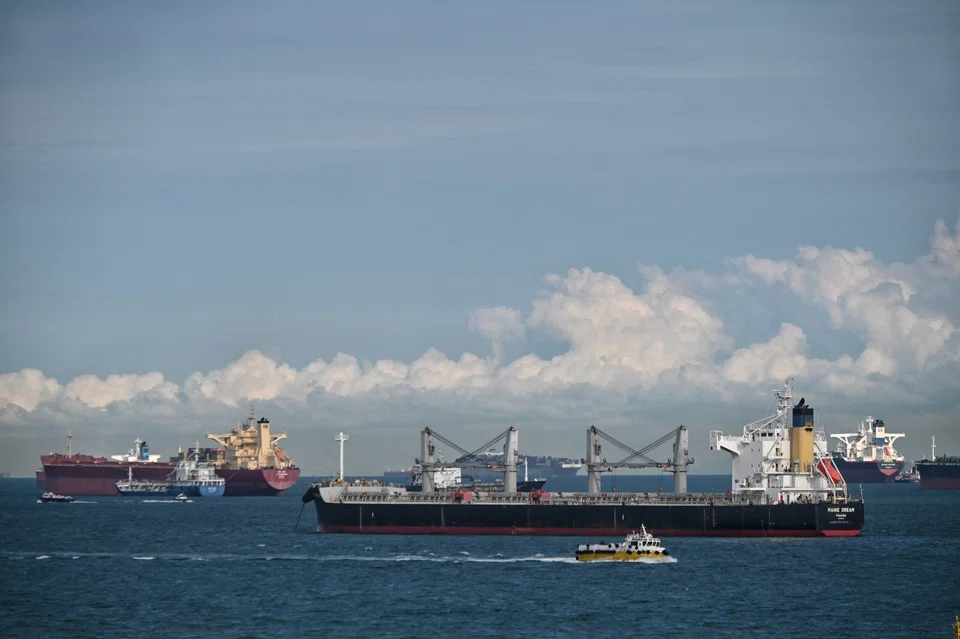
THE recent batch of contaminated bunker fuel sold in Singapore’s maritime hub has been traced back to a tanker loaded in the United Arab Emirates, according to updates from the Maritime and Port Authority of Singapore (MPA) on Thursday (May 5).
The MPA urged bunker buyers to ask for enhanced testing for chlorinated organic compounds (COC) from suppliers, on top of prevailing international standards that do not require such tests.
It will also immediately include COC on the list of chemicals that must be tested under its bunker quality assurance measures, even though it called the occurrence of COC in bunkers rare.
The MPA and the Singapore Shipping Association (SSA) are currently looking into strengthening the quality assurance of bunkers supplied in Singapore, and are calling for an industry expert group to urgently establish what chemicals should be tested for and at what concentration limits.
The global shipping trade was roiled in March by the discovery that vessels had been supplied in Singapore with blended high-sulphur fuel oil (HSFO) contaminated by high COC concentrations. Some 200 ships were reported to have received the contaminated bunker fuel, and about 80 ships subsequently reported issues with their fuel pumps and engines.
The MPA, which carried out forensic tests of numerous fuel samples, has now concluded that the contaminated HSFO came from fuel purchased by multinational Glencore through a Singapore-registered dealer and its Singapore-registered contracted supplier. Part of the blended HSFO was also sold by Glencore to PetroChina International (Singapore).
The contaminated fuel was loaded at Khor Fakkan in the UAE and shipped to storage facilities in Tanjong Pelepas, Malaysia for more blending, before being delivered to Singapore.
Both Glencore and PetroChina - which are MPA-licensed bunker suppliers - tested the fuel in line with international standards, but did not detect the contamination at the time as those standards do not require tests for COC, the MPA said in its report.
The MPA said that it has not received more reports of fuel containing high COC from the 2 suppliers since end-March, but is conducting more tests of their fuel samples.
It has also raised the issue of bunker quality assurance at an International Maritime Organization Maritime Safety Committee working group meeting in late-April.
Decoding Asia newsletter: your guide to navigating Asia in a new global order. Sign up here to get Decoding Asia newsletter. Delivered to your inbox. Free.
Copyright SPH Media. All rights reserved.