

Oil prices hit lowest since Ukraine invasion amid recession fears
 Add BT as a preferred source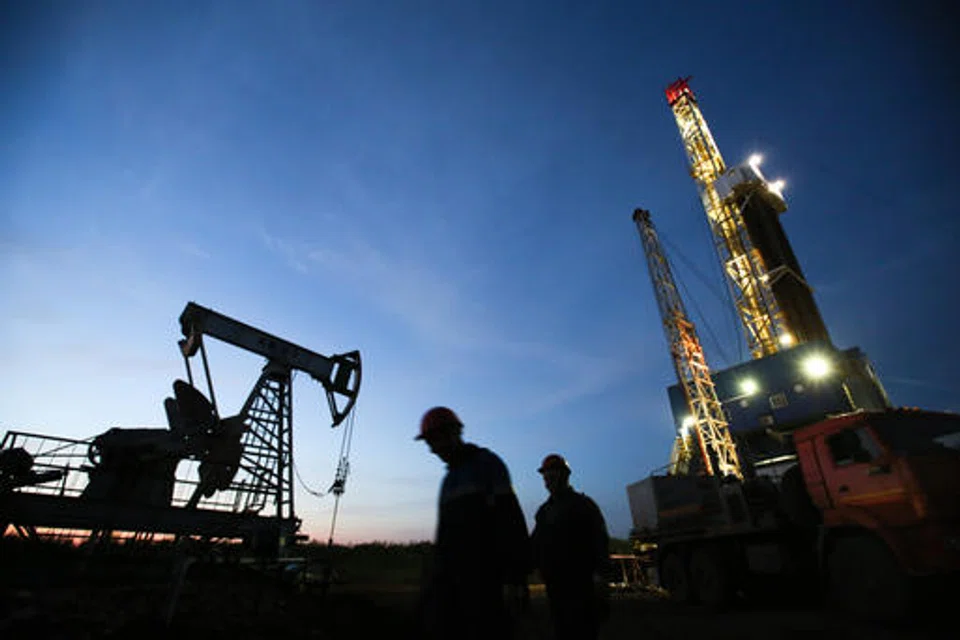
GLOBAL oil prices dropped on Thursday to their lowest levels since before Russia’s February invasion of Ukraine, as traders fretted over the possibility of an economic recession later this year that could torpedo energy demand.
Benchmark Brent crude futures settled down US$2.66, or 2.75 per cent, at US$94.12, the lowest close since Feb 18.
West Texas Intermediate (WTI) crude futures settled down US$2.34, or 2.12 per cent, at US$88.54, the lowest close since Feb 2.
The fall in oil prices could come as a relief to large consumer nations including the United States and countries in Europe, which have been urging producers to ramp up output to offset tight supplies and combat raging inflation.
Oil had surged to well over US$120 a barrel earlier in the year.
A sudden rebound in demand from the darkest days of the Covid-19 pandemic coincided with supply disruptions stemming from sanctions on major producer Russia over its invasion of Ukraine.
Thursday’s selling followed an unexpected surge in US crude inventories last week.
Petrol stocks, the proxy for demand, also showed a surprise increase as demand slowed under the weight of gasoline prices near US$5 a gallon, the Energy Information Administration said.
“Seems the weakness from Wednesday following weaker than expected US implied petrol demand, together with the break of technical support levels on Thursday, has dragged oil lower,” said Giovanni Staunovo, an analyst at UBS.
The demand outlook remains clouded by increasing worries about an economic slump in the United States and Europe, debt distress in emerging market economies, and a strict zero Covid-19 policy in China, the world’s largest oil importer.
“A break below $90 is now a very real possibility, which is quite remarkable given how tight the market remains and how little scope there is to relieve that,” said Craig Erlam, senior market analyst at Oanda in London.
“But recession talk is getting louder and should it become reality, it will likely address some of the imbalance.”
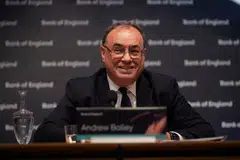
The Bank of England (BoE) raised interest rates on Thursday and warned about recession risks.
An Opec+ agreement on Wednesday to raise its output target by 100,000 barrels per day (bpd) in September, equivalent to 0.1 per cent of global demand, was viewed by some analysts as bearish for the market.
Opec heavyweights Saudi Arabia and the UAE are also ready to deliver a “significant increase” in oil output should the world face a severe supply crisis this winter, sources familiar with the thinking of the top Gulf exporters said. REUTERS
Decoding Asia newsletter: your guide to navigating Asia in a new global order. Sign up here to get Decoding Asia newsletter. Delivered to your inbox. Free.
Share with us your feedback on BT's products and services
TRENDING NOW

Singapore developer in limbo after Timor-Leste scraps major township project

From hawker stall to Enterprise Award winner: How Han Keen Juan scaled the Old Chang Kee empire

‘I feel so stupid’: How young Indonesians get stuck on the debt treadmill

Hanoi orders 20% surge in IP enforcement cases in May after US warning

