LHN IPO decent; pity there's no public portion
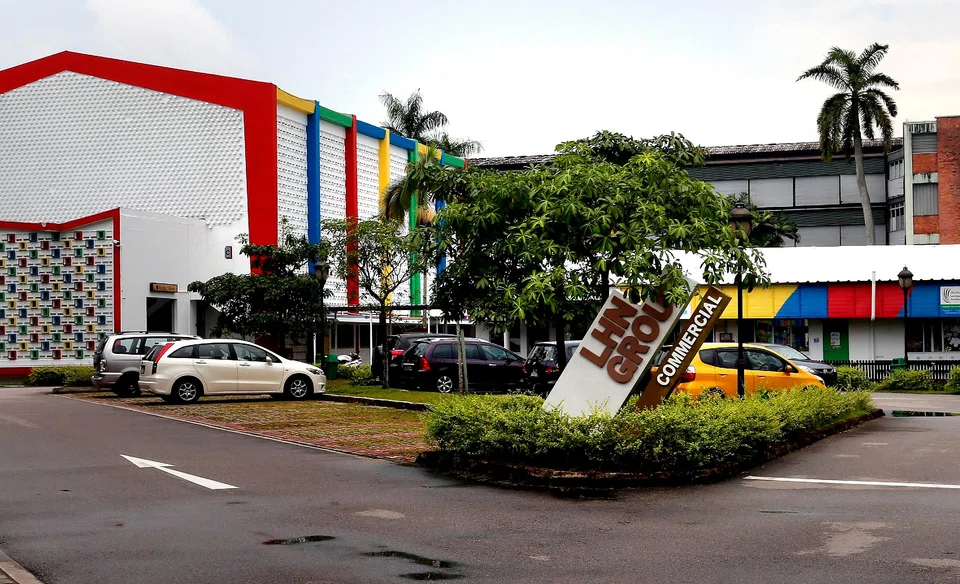
RETAIL investors looking for value in promising local, home-grown companies might be disappointed that the Singapore market's first initial public offer (IPO) of 2015, that of real estate manager LHN Group, has no public portion.
Disappointment would be because LHN bears all the hallmarks of a decent IPO that should prove rewarding to shareholders - it is fairly priced, the company is profitable, there is scope for upside and the money is largely to be used for business expansion.
Setting aside for now discussion of whether IPOs should have a compulsory public portion so that they are truly "public" instead of private exercises, LHN's offer follows the example of many preceding Catalist listings in that it is wholly via private placement, in this case 73.9 million new shares at S$0.23 each to raise gross proceeds of S$17 million.
Most of LHN's revenue comes from its space design business, which is the design, refurbishment, leasing and management of properties. This also includes land searches, feasibility studies, design and liaison with relevant government authorities.
The company also makes money from facilities management, which includes building maintenance, security services, cleaning, landscaping, pest control services and car park management service. It also has a logistics services business.
First up is the IPO price, which is pitched at a historical price-earnings (PE) multiple of 6.3 times. Ideally, this should be compared with a broad Catalist PE benchmark to gauge its reasonableness but this is not readily available, at least for the FTSE ST Catalist Index, probably because many second board companies have little or no earnings.
LHN's PE does, however, compare favourably with the Straits Times Index's 15 times, so even factoring in Catalist's higher risk profile which would call for a lower PE, it does appear reasonably priced and could well close at a premium on its debut next Monday.
Second, profitability. Unlike some others before it on the junior board which list when they are loss-making and have no track record, LHN is profitable - net earnings have grown steadily if not overly spectacularly, from S$7 million in FY2012 to S$12.7 million in FY2014, a compound annual growth rate of 34.7 per cent.
Third, use of proceeds. Again, unlike many other IPOs which raise funds to pay off debts or bank loans or to enable major shareholders to bail out, the bulk of the proceeds will be ploughed into the business.
According to the prospectus and excluding "working capital" a total of S$11.5 million has been earmarked for investment in LHN's various businesses, about 68 per cent of gross funds raised. This is a decent proportion, considering that the comparable ratio for other IPOs in the past has been as low as 20 per cent.
Other indicators also lend confidence that LHN should perform post-listing - net tangible assets is around S$0.14 per share and for FY14, the company generated net cash from operating activities of S$11.2 million.
Like any business, there are risks and the prospectus contains a comprehensive list of the relevant risk factors, a list that spans almost 20 pages. Those considering picking up the shares when they start trading next Monday should familiarise themselves with these factors, especially since LHN does appear to offer good value to long-term holders. Which, because there is no public portion, is more the pity.