

Sinopharm offers to take China-TCM private in nearly US$3 billion deal
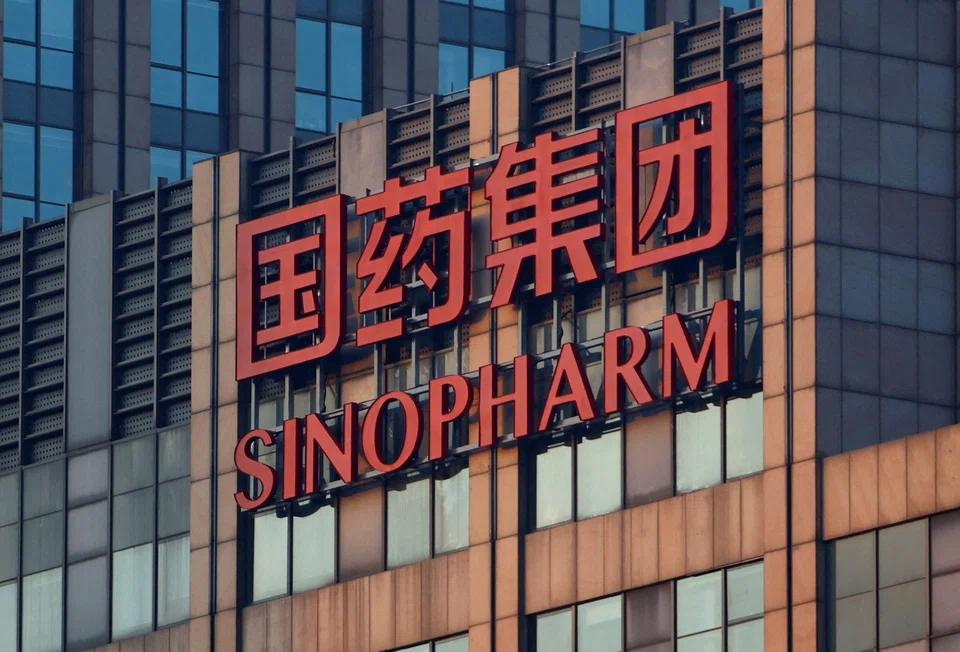
A CONSORTIUM led by state-owned pharma giant Sinopharm has revived a take-private bid for China Traditional Chinese Medicine Holdings, the Hong-Kong-listed drugmaker said on Wednesday (Feb 21), valuing it at US$2.96 billion.
China National Pharmaceutical, also known as Sinopharm, had in 2021 decided against a possible privatisation of China TCM.
Sinopharm, the parent of China-TCM, already holds a 32.46 per cent stake in China-TCM and has offered to pay HK$4.6 (S$0.79) per share in cash to buyout the drugmaker.
The offer price represents a 34.11 per cent premium to the traditional medicine maker’s closing price of HK$3.43 per share before trading in the stock was halted.
The deal, if it goes through, would be one of the biggest privatisation deal for a Hong-Kong listed firm since Haier Electronics’ US$5 billion acquisition in 2020.
Sinopharm has also indicated it will not raise the offer price to take China-TCM private.
The offer comes as the drugmaker lags a surge in valuations for many mainland-listed Chinese medicinal firms in and around the Covid-19 pandemic.
“Whether the privatisation would be successful this time still depends on the outcome of negotiations among different parties, which is full of uncertainty,” said Xinyao (Criss) Wang, HK/China healthcare analyst at Smartkarma in a note.
The potential deal would add to a surge in strategic investors and buyout firms tapping Hong Kong for take-private opportunities. Buyers often cite undervalued shares as a reason for the deals.

Media reports had earlier emerged in 2022 over Sinopharm and its advisers preparing a potential offer of about HK$6 for each China-TCM share.
China TCM shares had jumped as much as 10 per cent to HK$3.43 on Wednesday, taking its market value to HK$16.9 billion (S$2.9 billion).
The drugmaker had in late January said it expects its 2023 net income to likely increase by 85 per cent to 95 per cent. REUTERS
Decoding Asia newsletter: your guide to navigating Asia in a new global order. Sign up here to get Decoding Asia newsletter. Delivered to your inbox. Free.
Share with us your feedback on BT's products and services






