Tencent stems revenue drop as China poised for gaming recovery
 Add BT as a preferred source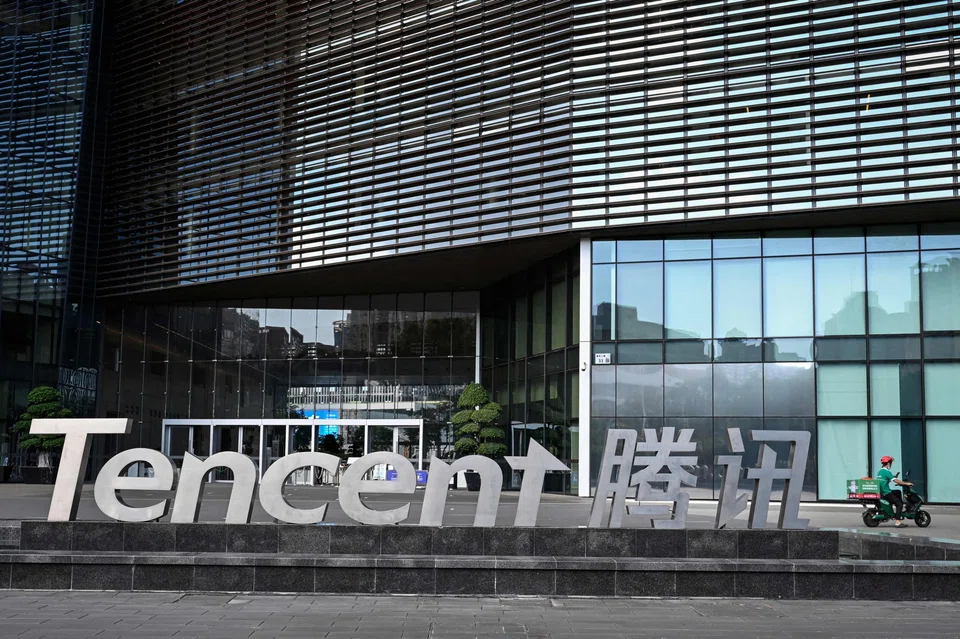
DeeperDive is a beta AI feature. Refer to full articles for the facts.
TENCENT Holdings’ revenue inched up after two quarters of contractions, fuelling hopes that Beijing will again allow the world’s largest gaming arena to thrive.
Revenue rose to 144.95 billion yuan (S$28.1 billion) for the three months ended December, compared with the 144.5 billion yuan average forecast. Net income came in at 106.3 billion yuan, versus the 27.6 billion yuan projected.
China’s gaming and social media leader gained more than US$160 billion of market value since hitting an October trough, helped by Beijing’s resumption of approvals for blockbuster games after a months-long halt. A succession of public officials have since then endorsed the gaming arena, joining Xi Jinping’s administration in declaring support for the private sector. Tencent is also well positioned to benefit from a Chinese post-Covid rebound, which should free up corporations and consumers to return to regular spending on advertising and entertainment.
Many industry executives and investors have cautioned against buying wholesale the Chinese government’s rhetoric, worried that Beijing may again tighten the reins once the world’s No 2 economy is stabilised. Much of the Internet sector remains shell-shocked after two years of blistering regulatory clampdowns on everything from e-commerce and the sharing economy to online content and its consumption.
Once its bread and butter, Tencent’s domestic gaming sales barely grew over the past year, but global hits like Valorant and Lost Ark are slated to refill its long-empty pipeline in 2023 after the Shenzhen company secured its first batch of major game approvals in December. The world’s biggest games publisher is even hatching plans for a Valorant esports league, which will help generate eyeballs and sponsorships for the Riot Games shooter.
Tencent’s appetite for foreign gaming assets is increasing at a time when it’s divesting other assets and spending more judiciously at home. In November, the WeChat operator pledged to dole out US$20 billion of stock in meal delivery leader Meituan as a special dividend, about a year after similar divestitures of JD.com and Sea. However, rising tensions between the US and China – as evidenced by the brewing push to force a ban or the sale of ByteDance’s TikTok in the US – could hurt Tencent’s international gaming foray.

Navigate Asia in
a new global order
Get the insights delivered to your inbox.
WeChat’s fledgling short-video feed has been a rare bright spot in Tencent’s portfolio. The company is under pressure to better monetise China’s most ubiquitous app, just as users and marketers flee to rivals like ByteDance. WeChat’s video accounts tripled in views last year, as executives forecast 1 billion yuan of ad sales through the feature in the fourth quarter.
Like its rivals, Tencent implemented unprecedented cost curbs to make it through 2022’s Chinese economic malaise. Tencent’s cloud computing business is reinventing itself to get rid of loss-making contracts and focus on improving margins, and sluggish businesses like some e-commerce and live-streaming have been shut down altogether. In December, billionaire founder Pony Ma delivered a rare rant about complacent employees in a town hall meeting, stressing aggressive cost controls “should become a habit” going forward.
At a time when companies like Microsoft and Google are rushing to show off their latest artificial intelligence creations, Tencent has said its plans for ChatGPT-style tools are underway. OpenAI’s ChatGPT, now a global phenomenon, has triggered a race among Chinese tech firms to catch up, and Baidu has already scored positive reviews among selected users. BLOOMBERG
Decoding Asia newsletter: your guide to navigating Asia in a new global order. Sign up here to get Decoding Asia newsletter. Delivered to your inbox. Free.
Copyright SPH Media. All rights reserved.