

A theory of stagnation
China woes add force to secular stagnation debate
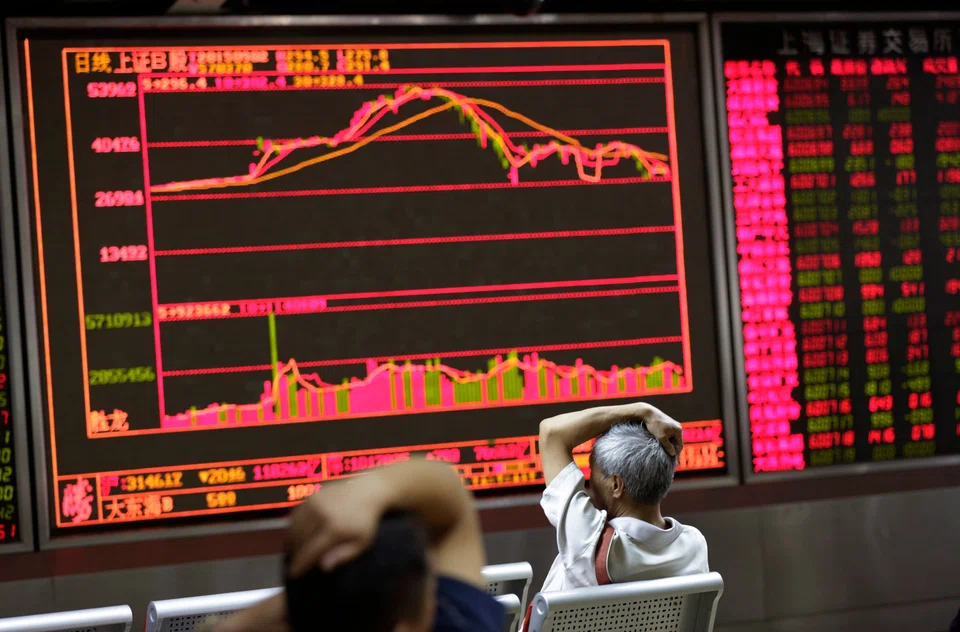
THE past two weeks have been turbulent for the world's markets. But they have been buoyant for proponents of the theory that the global economy is stuck in a semi-permanent rut.
The so-called "secular stagnation" hypothesis was first advanced by economist Alvin Hansen in the late 1930s, and revived by Larry Summers in a different form two years ago. The former US treasury secretary argued that growth potential in advanced nations has been sliding for decades.
Ageing populations, globalisation and automation have come together to depress wages, especially for the less skilled. Demand for new investment is therefore deficient when compared with societies' desire for savings. As a result the "natural" rate of interest these economies can bear has been declining, and might even have turned negative.
TRENDING NOW

He built the Vingroup empire. Now South-east Asia’s richest man is handing some key roles to his sons

US dollar falters after Iran’s offer to reopen Hormuz sends oil lower

Temasek’s Wan Chee Foong to helm PIL, Lars Kastrup to be board adviser
Despite the de-dollarisation debate, demand for dollar liquidity in Asia is growing

