US healthcare industry shudders at sound of Amazon's footsteps
But it is not clear when the company will make that move or how aggressive it intends to be
Seattle
THE latest category alarmed by the spectre of competition from Amazon is the pharmacy market. With huge amounts of consumer spending and frustrating inefficiencies, it is the type of business that invariably attracts Amazon's attention.
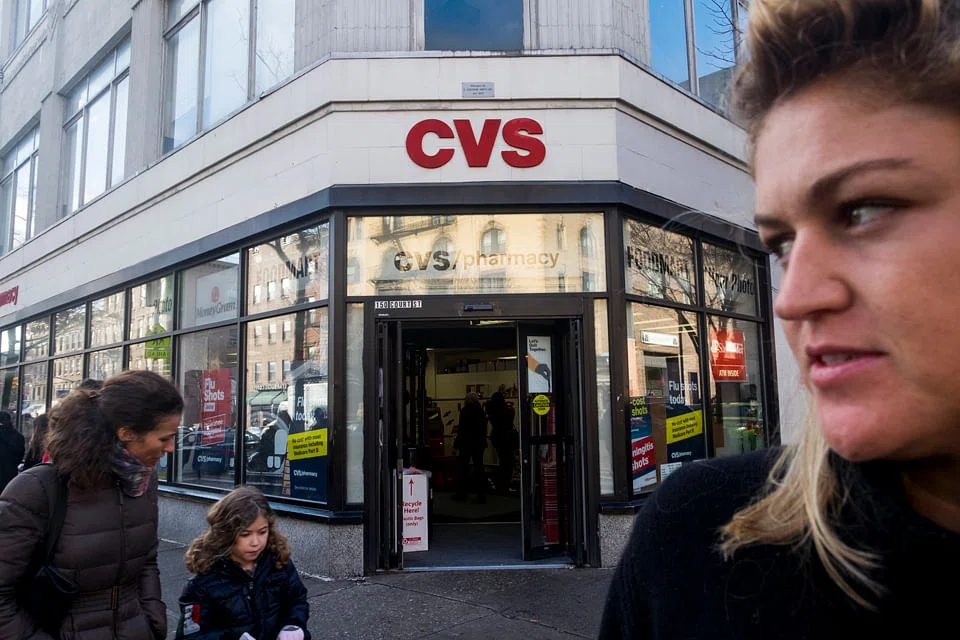
CVS Health is now in talks to acquire Aetna, one of the nation's largest health insurance providers, a move considered to be partly a reaction to the footsteps of Amazon.
The likelihood of Amazon's eventually getting into the pharmacy business is high, several analysts and a former employee said. But it is not clear when it will make that move or how aggressive it intends to be.
The near-term threat may be somewhat overstated. Amazon has received wholesale pharmacy licences in at least a dozen states, as The St Louis Post-Dispatch reported on Oct 26. But the licences permit the company to sell other kinds of products too. In Connecticut, for example, the licence is for "wholesale of drugs, cosmetics and medical devices", while in Louisiana it was granted to a "drug or device distributor."
Brian Tanquilut, an analyst for Jefferies, noted that the company acquired many of the wholesale pharmacy licences between fall of last year and early this year, around when the company started selling medical supplies to businesses. "It's not evidence of a retail entry into the pharmacy business," he said.
An Amazon spokesman, Lori Torgerson, refused to comment on "rumours or speculation" about Amazon entering the pharmacy business, but she shared a statement that suggested other motivations for the paperwork.
"Wholesale licences are required for Amazon Business to sell professional-use only medical devices in certain states," she said.
There is little doubt, though, that Amazon is interested in at least some aspects of the pharmacy business.
Brittain Ladd, a supply chain consultant who worked at Amazon until earlier this year on groceries and other initiatives, said he participated in discussions about how Amazon could enter the category, including through acquisitions.
"The pharmacy business was always a topic of interest when I was with Amazon, and there was a sincere desire on the part of Amazon to create a better customer experience across pharmacy and health care as a whole," he said.
He believed existing pharmacy companies are right to be worried. "My advice is that executives at pharmaceutical companies should crush all assumptions when it comes to Amazon and their ability to enter, innovate and reimagine the pharmacy business and health care," he said.
Likely options
If Amazon decides to enter the market, it could take a variety of avenues, analysts said. The easiest way in would be to set up a mail-order pharmacy that focused on price-sensitive customers without health insurance or who have high-deductible plans that require them to pay for some drug costs upfront.
To do this, Amazon would need retail pharmacy licences in every state - a hurdle, certainly, but not an insurmountable one, the analysts said.
"They can at least dip their toe in the water with the cash-pay customers, and learn the business," said Ana Gupte, an analyst for Leerink Partners.
She said cash-paying customers account for 5 per cent to 10 per cent of the US$560 billion prescription drug business.
In a call with analysts last week, Timothy Wentworth, chief executive of the pharmacy-benefit manager Express Scripts, indicated a willingness to work with Amazon to reach these cash-paying customers.
If Amazon wanted to go bigger, Ms Gupte and others said it could sell to insured customers and even serve as a pharmacy-benefit manager, overseeing drug coverage for people on behalf of insurers and large employers.
This would be far more complex. It would likely require Amazon to either acquire a pharmacy-benefit manager or enter into a partnership with an existing one.
Expanding the pharmacy business without the aid of a major pharmacy-benefit manager would be tough, because the benefit managers serve as gatekeepers to insured patients, deciding which pharmacies they can and cannot use.
The benefit managers also operate their own mail-order pharmacies, which might make them less willing to accommodate Amazon.
Some said they expect that if Amazon chooses to enter the health care business, it would do so in a big way. The company could attempt to provide comprehensive services to patients, doctors and others, far beyond selling drugs. NYTIMES
READ MORE: