

Australia's central bank boosts liquidity as virus panic hits markets
 Add BT as a preferred source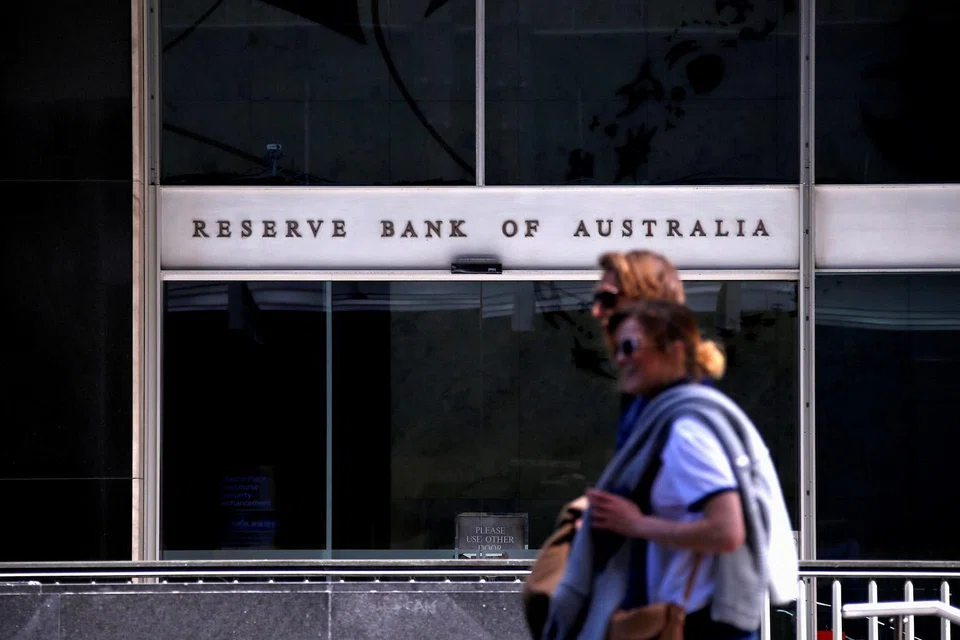
DeeperDive is a beta AI feature. Refer to full articles for the facts.
[SYDNEY] Australia's central bank injected an unusually large amount of cash into the financial system on Friday as panic selling across global markets driven by the coronavirus threatened to drain liquidity and push up borrowing costs.
In its daily money market operation the Reserve Bank of Australia (RBA) pumped A$8.8 billion (S$7.8 billion) into the system through repurchase agreements, well above the estimated requirement of A$3.4 billion.
The money was leant for periods ranging from 17 to 95 days, with A$5.6 billion going at the longest date.
Reserves held by the RBA for financial institutions have been rising steadily for several days amid a general hunt for liquidity by banks globally.
"There's definitely strains in the market, and the RBA has acted to add extra liquidity to offset that," said Martin Whetton, head of bond and rates strategy at CBA.
The US Federal Reserve on Thursday surprised by injecting US$500 billion into the banking system there, and intends to add a further US$1 trillion on Friday.
Navigate Asia in
a new global order
Get the insights delivered to your inbox.
Earlier in the week, RBA Deputy Governor Guy Debelle said the bank had not seen much stress in the market, but that was before the latest plunge in global equities.
Australia's main stock index was down 7 per cent on Friday, bringing losses for the week so far to an eye-watering 20 per cent.
REUTERS
Decoding Asia newsletter: your guide to navigating Asia in a new global order. Sign up here to get Decoding Asia newsletter. Delivered to your inbox. Free.
Share with us your feedback on BT's products and services
TRENDING NOW
Autobahn Rent A Car directors declared bankrupt over S$50 million each owed to DBS

Higher costs, lower returns: Why are Singaporeans still betting on real estate?

Richard Eu on how core values, customers keep Singapore’s TCM chain Eu Yan Sang relevant
Loyang Valley sold for S$880 million to SingHaiyi-led consortium

