Malaysia budget likely to be expansionary to support people, stimulate economy
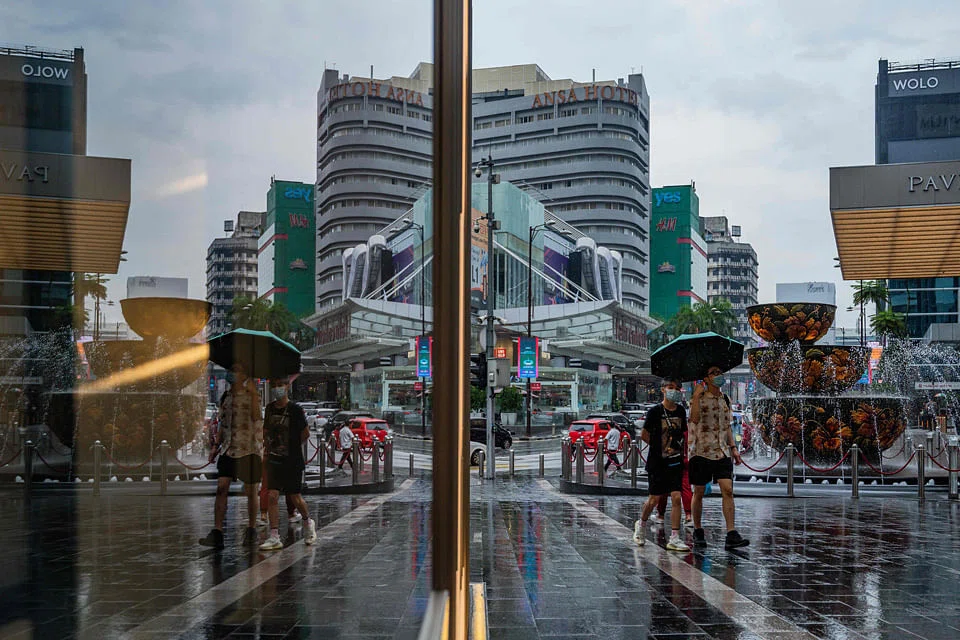
Kuala Lumpur
MALAYSIA is expected to table an expansionary budget in parliament this Friday, aiming to support those whose livelihoods have been affected by the Covid-19 pandemic while preventing further job losses.
Finance Minister Tengku Zafrul Aziz, who has described this as the "most important" budget in the country's history, said this week that the proposed spending would likely be bigger than last year's budget of RM297 billion (S$96.7 billion), with more funds being allocated for development expenditure to stimulate the export-reliant economy.
Other measures being considered include a more targeted bank loan repayment moratorium, similar to a blanket relief facilitated by the government earlier.
Allocation will also be directed to empower the healthcare and tourism sectors in next year's budget, the government has said.
To date, Malaysia has already unveiled stimulus packages totalling RM305 billion ringgit to cushion the economic fallout from the outbreak. The unemployment rate climbed to 4.7 per cent in August, from 3.2 per cent in January, official data showed.
"I would think the government will stick to what they have been doing so far: to protect livelihoods, sustain the healthcare system, and maintain jobs for the next one year.
"Then only it will look at economic recovery," said Danny Wong, the chief executive officer of Areca Capital.
Measures to preserve jobs are expected to focus on easing the cashflow problem of small and medium-sized enterprises, which employ the most workers, he said.
While the government has emphasised the need to spend in the time of crisis, Malaysia is contending with the pressure to keep the budget deficit and fiscal debt in check, given that S&P Global Ratings and Fitch Ratings have a negative outlook on its sovereign credit ratings.
Both RHB Investment Bank and Maybank Investment Bank are projecting a 2021 fiscal deficit of between 5 and 6 per cent of GDP, narrowing from an estimated 2020 budget shortfall of 6.5-6.7 per cent.
On Tuesday, Malaysia's central bank held its key interest rate steady as the economy showed some signs of recovery from the effects of the pandemic. Bank Negara Malaysia left its overnight policy rate at 1.75 per cent, already a record low.
With limited funding options, Malaysia has urged government-linked companies and the private sector to step in and help rebuild the economy.
A windfall tax on healthcare providers which enjoyed "supernatural profit" stemming from the pandemic, such as glove manufacturers, may be imposed by the government as a short-term measure to sustain the economy, Areca's Mr Wong said.
"Times are tough for Malaysia. Not only does it have to fight through another bout of pandemic outbreak in key economic centres such as the Klang Valley region, but the country has also had to witness another round of twists and turns in its political drama of late," said OCBC economist Wellian Wiranto in a Nov 3 report.
"All these, at a time when the economy is still trying to pick up the pieces from the damage wrought by the first round of outbreak in pandemic and political uncertainties from earlier in the year," he said.
Prime Minister Muhyiddin Yassin, who has a razor-thin two-seat majority in parliament, also faces challenges to secure enough lawmakers' support for the budget proposal.
He has already appealed for cross-party support when parliament votes on the budget proposals on Nov 23. Analysts say a failure to get the budget passed would be seen as a no-confidence vote that could send Malaysia into even greater political uncertainty.