
Philippines task force backs easing one of world's toughest lockdowns
 Add BT as a preferred source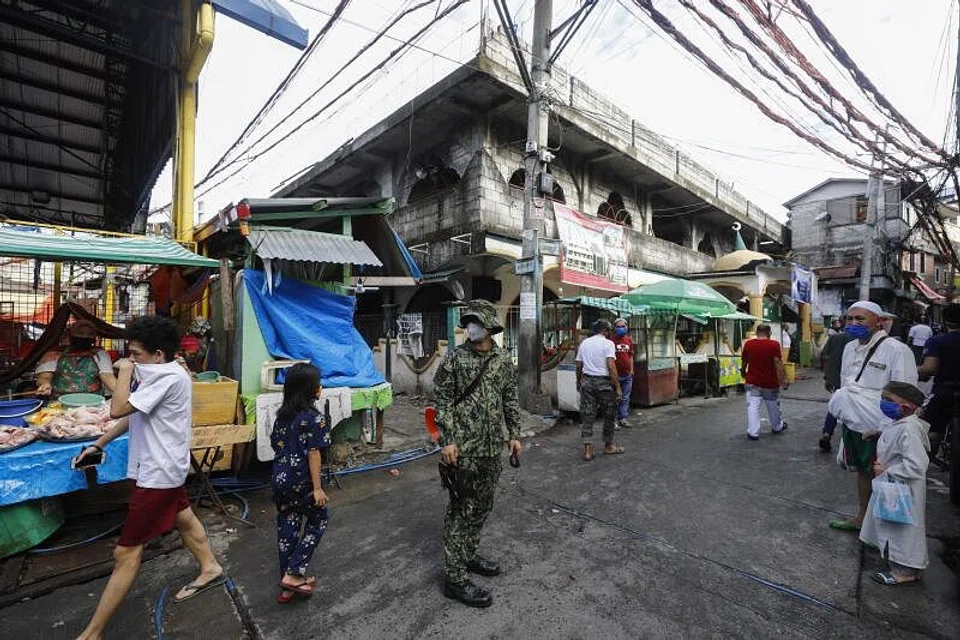
[MANILA] The Philippines' coronavirus task force has recommended President Rodrigo Duterte ease one of the toughest and longest lockdowns in the world for residents in the capital Manila, who have endured nearly 11 weeks of restrictions on activity.
Manila's lockdown will this weekend surpass the 76-day quarantine of Wuhan, the Chinese city where the first outbreak of the coronavirus was detected.
The recommendation came even as daily infections this week were the highest since April 6. Confirmed cases in the past six days comprise nearly 11 per cent of the total 15,049 recorded, of which 904 led to deaths.
Health authorities have missed a target of testing 30,000 people a day, with nearly 290,000 conducted since January, equivalent to about 0.26 per cent of the 107 million population.
Mr Duterte will announce his decision in an address to the nation later on Thursday.
"This is really a compromise. The need to reopen the economy and the need to contain the spread of Covid-19," presidential spokesperson Harry Roque said at a regular briefing.
Navigate Asia in
a new global order
Get the insights delivered to your inbox.
Restrictions on commerce and movement dealt a blow to the Philippines' consumption-driven economy, which is facing its biggest contraction in 34 years this year. The economy unexpectedly shrank 0.2 per cent in the first quarter and is expected to fare worse in the second quarter.
Mobility data from Apple for people driving shows how sharply activity slowed in the Philippines and how low it has remained compared to countries which also imposed tough lockdowns such as Italy and India.
Under the more relaxed rules that will be in place from June 1 to 15, if approved, local officials can still place communities deemed as high risk under lockdown.
Under the recommendations, gatherings of up to 10 people will be allowed, workplaces, shops and some public transportation will reopen and movement in and out of Manila will be permitted.
Schools, universities, tourist destinations, dine-in restaurants will stay closed, however, while stay-at-home orders will remain for the elderly and children.
REUTERS
Decoding Asia newsletter: your guide to navigating Asia in a new global order. Sign up here to get Decoding Asia newsletter. Delivered to your inbox. Free.
Share with us your feedback on BT's products and services

