Cambodia’s Techo set to be main international airport next year
OCIC Group aims for the upcoming project to be a regional transit hub

Goh Ruoxue
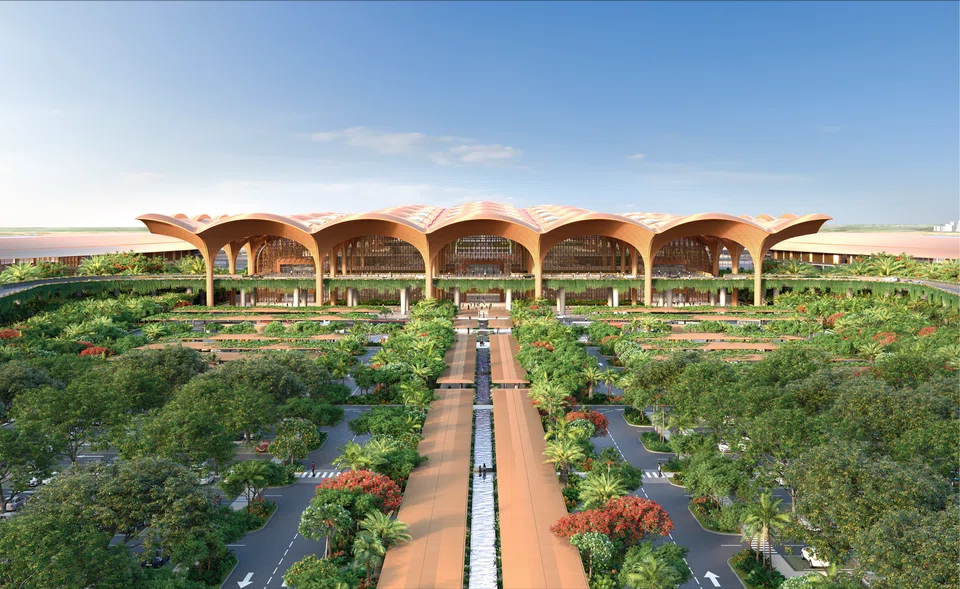
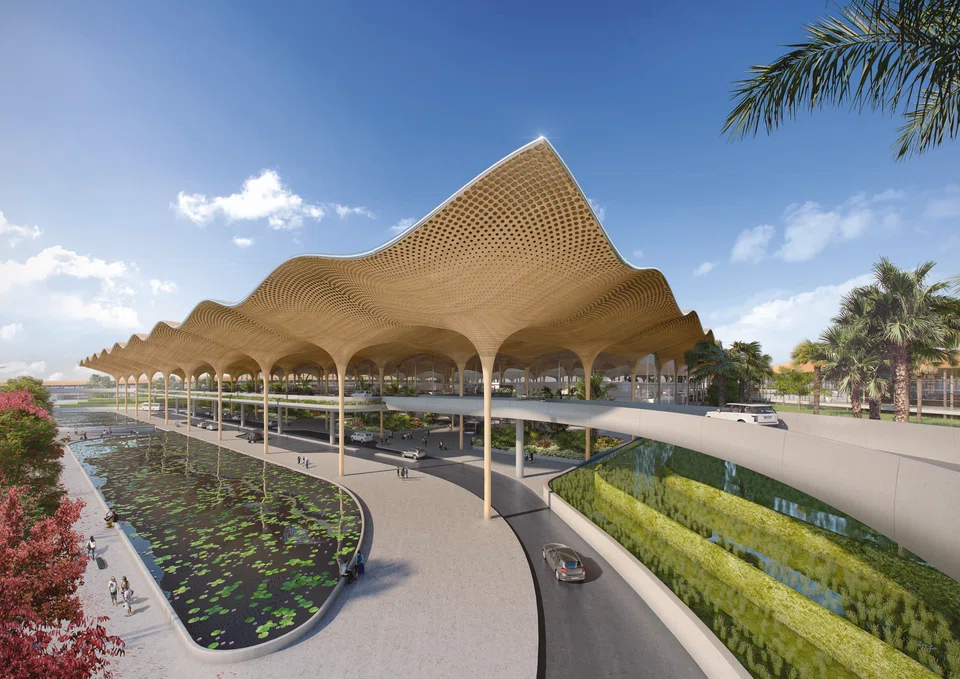
TOUCHING down next year in Cambodia is a modern airport that will boast of being the world’s ninth largest. It is set to take over as the South-east Asian country’s key international airport, replacing the longstanding Phnom Penh International Airport.
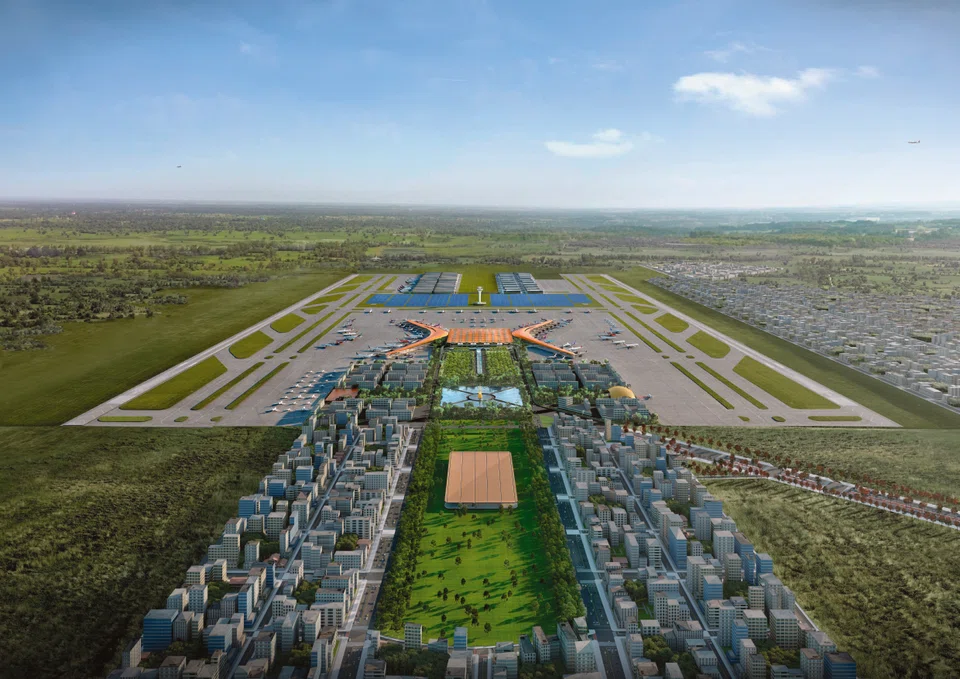
Built on a 2,600-hectare (ha) plot of land – around the size of 3,700 football fields or roughly two-and-a-half times the land area of Singapore’s Changi Airport – the upcoming Techo International Airport hopes to be Cambodia’s answer to world-class infrastructure, as the once war-torn country takes big steps to woo foreign investors and grow the economy.
“Otherwise, investors will always turn to Singapore first, followed by Vietnam, Malaysia and Indonesia, and Cambodia will each time be at the bottom of the food chain,” said Thierry Tea, vice-president of OCIC Group.
OCIC, a Cambodian conglomerate, owns 90 per cent of a joint venture (JV) that is building the airport; the remaining interest is owned by the Royal Government of Cambodia.
Techo airport, which is expected to symbolise the country’s transformation in peaceful times, could not come sooner as the current main airport is bursting at the seams.
In an interview with The Business Times, Tea said that the current Phnom Penh airport which has a handling capacity of five million, was receiving six million passengers – even before the pandemic in 2019. It was on the back of this that the idea for a new airport in the nation’s capital was born.
Out with the old, in with the new
The new airport’s official commencement is set for mid-2025, following which the current airport, according to Tea, will be permanently closed.
“What’s very important is to have connectivity between Cambodia and the region... because Cambodia is in the middle of Thailand, Vietnam, Myanmar and Laos.
“Essentially, we are working on multiple agreements so Cambodia can catch some of these flights,” added Tea, a French-Cambodian of Teochew descent.
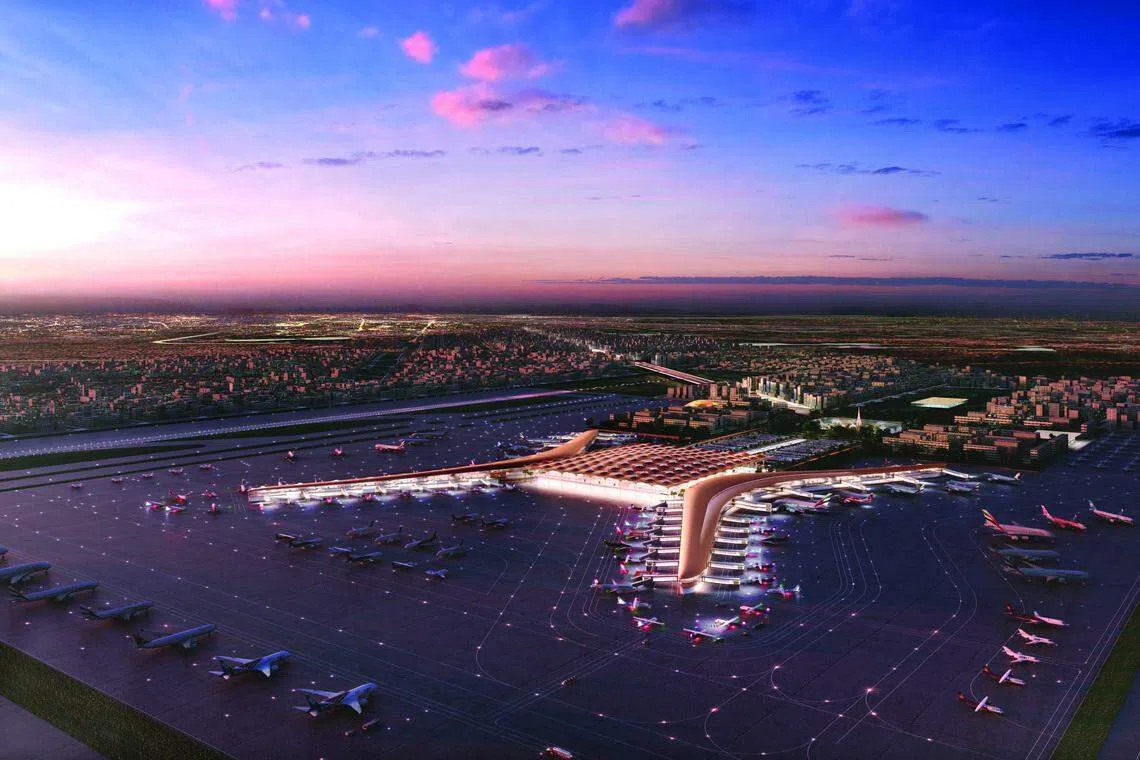
Located about 20 km from the centre of Phnom Penh, the new airport will be developed over three phases. It will be able to handle 15 million passengers in the first phase and eventually ramp up to 50 million passengers.
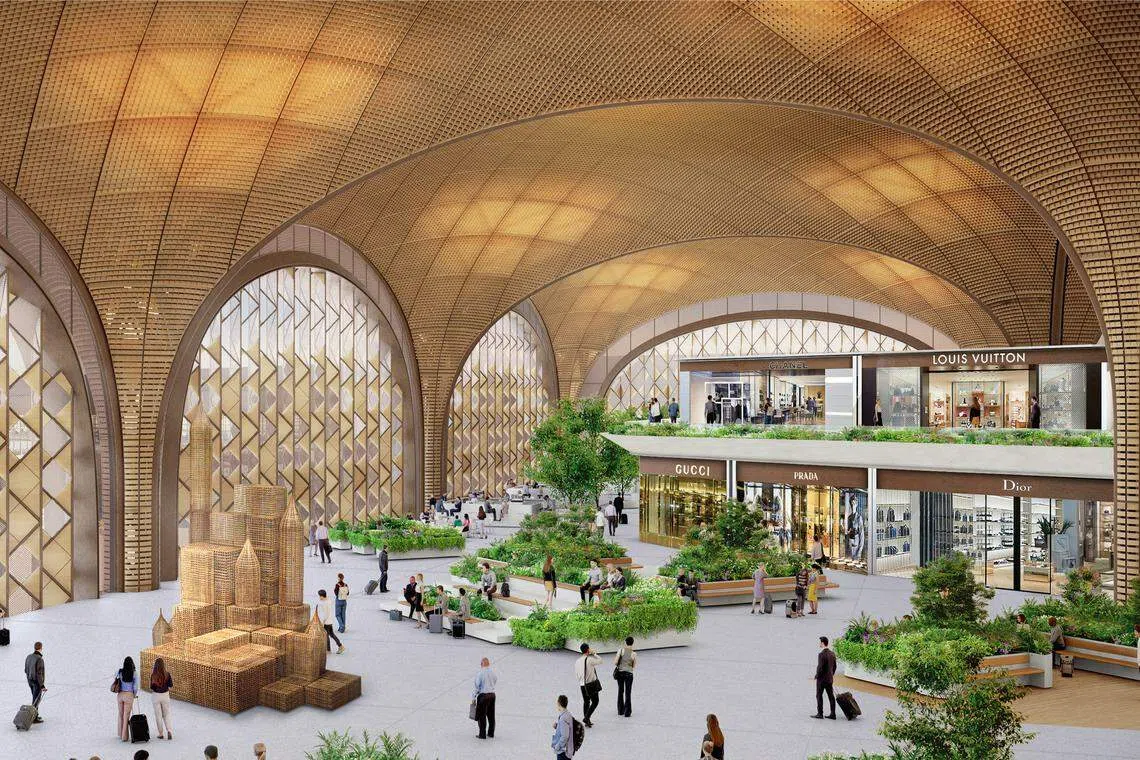
In phase one, the airport’s head house will be completed, as well as a pier with a total of 32 boarding gates and 24 remote stands, a runway with an apron and two taxiways, a VVIP terminal and an airline office.
Phase two includes a second runway with an apron and two taxiways, while phase three focuses on a third runway with a satellite terminal.
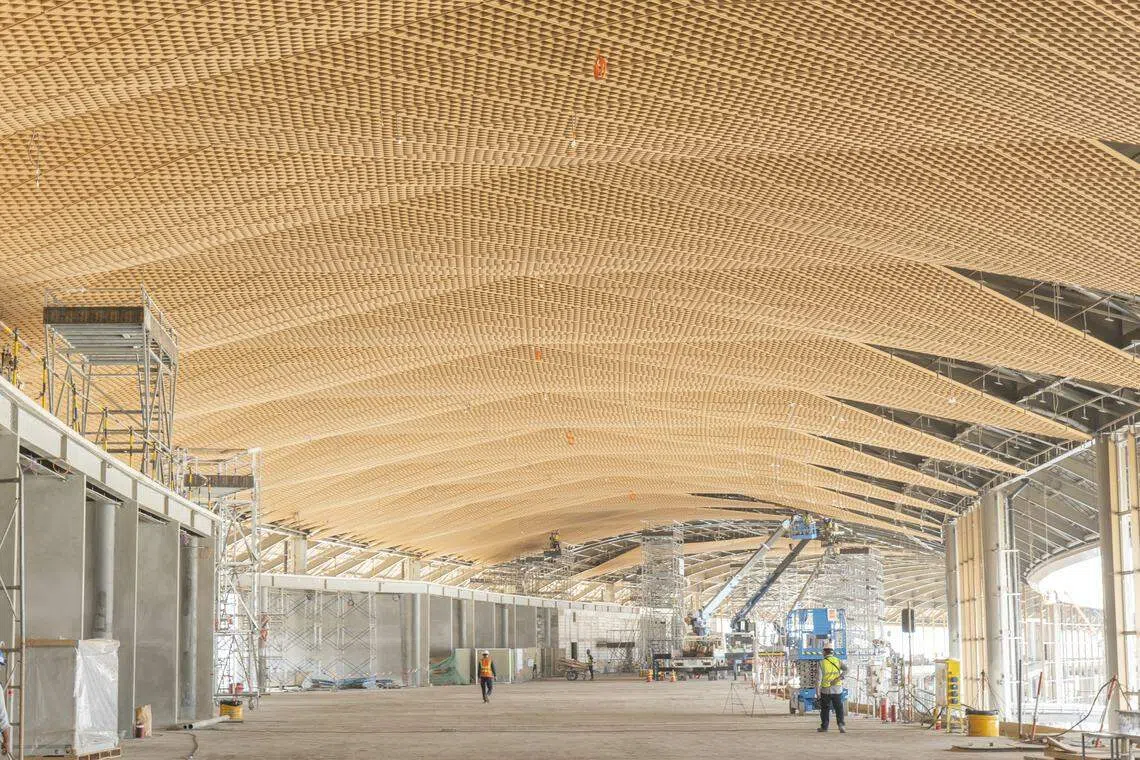
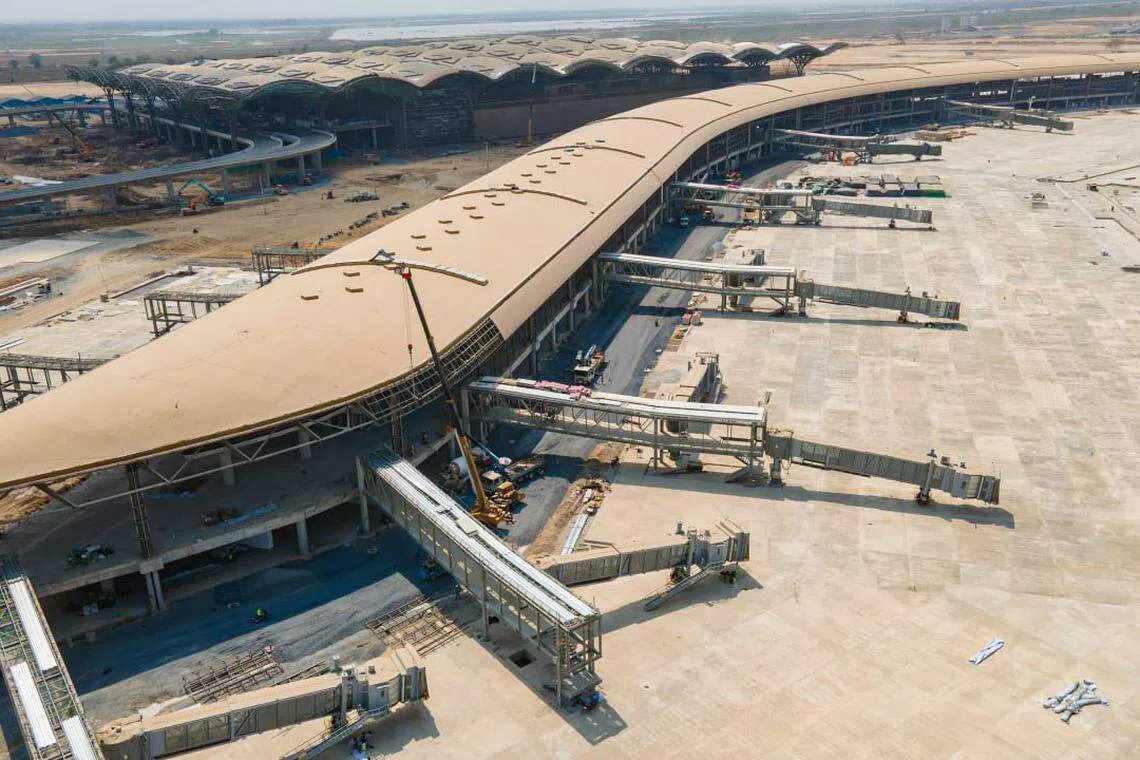
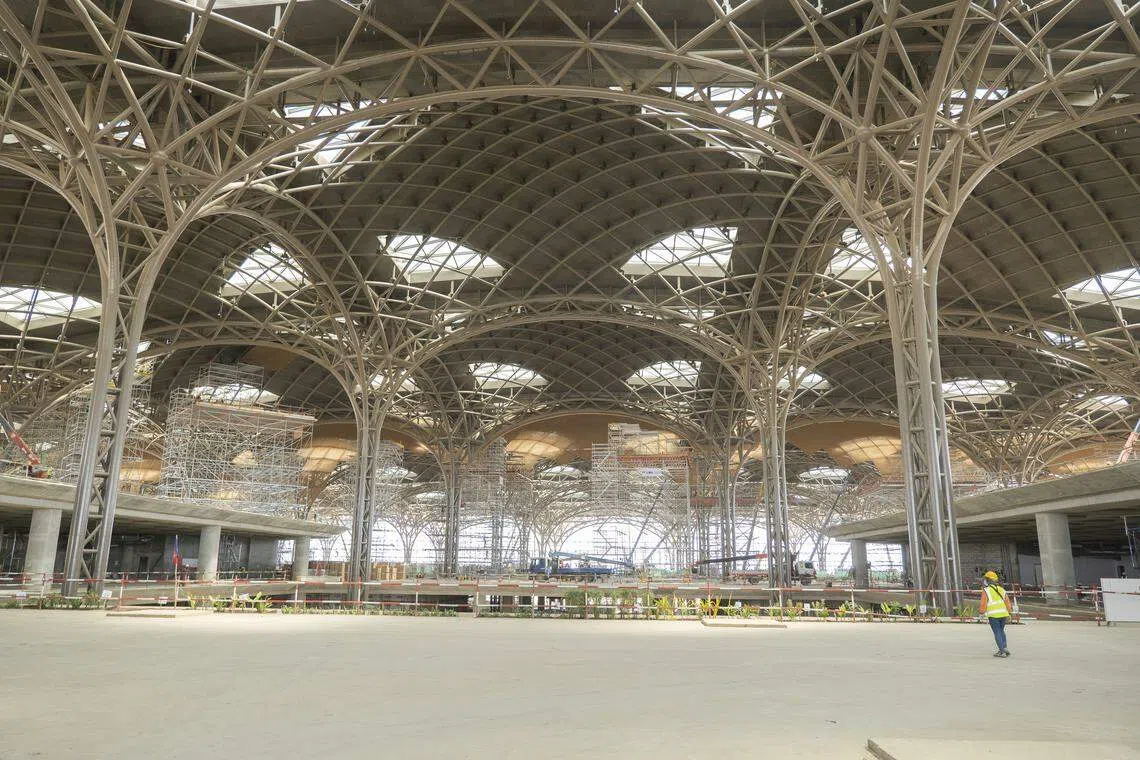
The 4F-class airport – the highest classification level globally – will be able to accommodate large wide-body aircraft such as the Airbus A380 and the Boeing 787, and about 175,000 tonnes of air freight per year.
Changi Airports International has been appointed as consultant for the project, while SIA Engineering is part of a JV that will provide line maintenance services.
British international architecture firm Foster + Partners is designing the airport. French-based travel concession operator Lagardere Travel Retail will manage its duty-free services.
Chasing quality
After a rapid surge in construction activities, particularly in major urban centres such as Phnom Penh and Sihanoukville, there were many unfinished projects last year mostly owing to funding woes. These stalled projects have marred Cambodia’s real estate landscape.
The entrepreneur likened Cambodia to “a cat stuck between a tiger and a lion” – in its ambition to become a leopard, the cat ate too fast, chose the wrong food and fell sick.
“(The older generations) had to survive by doing anything,” Tea said. “But we have passed this phase, and now... it is about how we can make a plan and realign with a very long-term perspective.”
He continued: “The country needs to go for quality... Quality investors, projects, foreign direct investment and partners, as opposed to before (when) we accepted everything and anyone who brings (in) money.”
It is time for a healthy diet and exercise, noted Tea, who is also a visiting lecturer for entrepreneurship and project management at the Cambodia University of Technology and Science.
Cambodian appeal
As a private investor, the 43-year-old returned to Cambodia because he believed in the growth of this emerging market. The country’s young society is also a key draw for investors.
“You can operate in Vietnam or Thailand from Singapore... but it’s much cheaper, more competitive and closer to operate in Cambodia,” he explained, listing other plus factors such as low cost of living and housing prices.
Reading Tea leaves
Before joining OCIC Group, Tea was the president and chief executive of Airbus Helicopters Philippines and a country manager of Airbus Group.
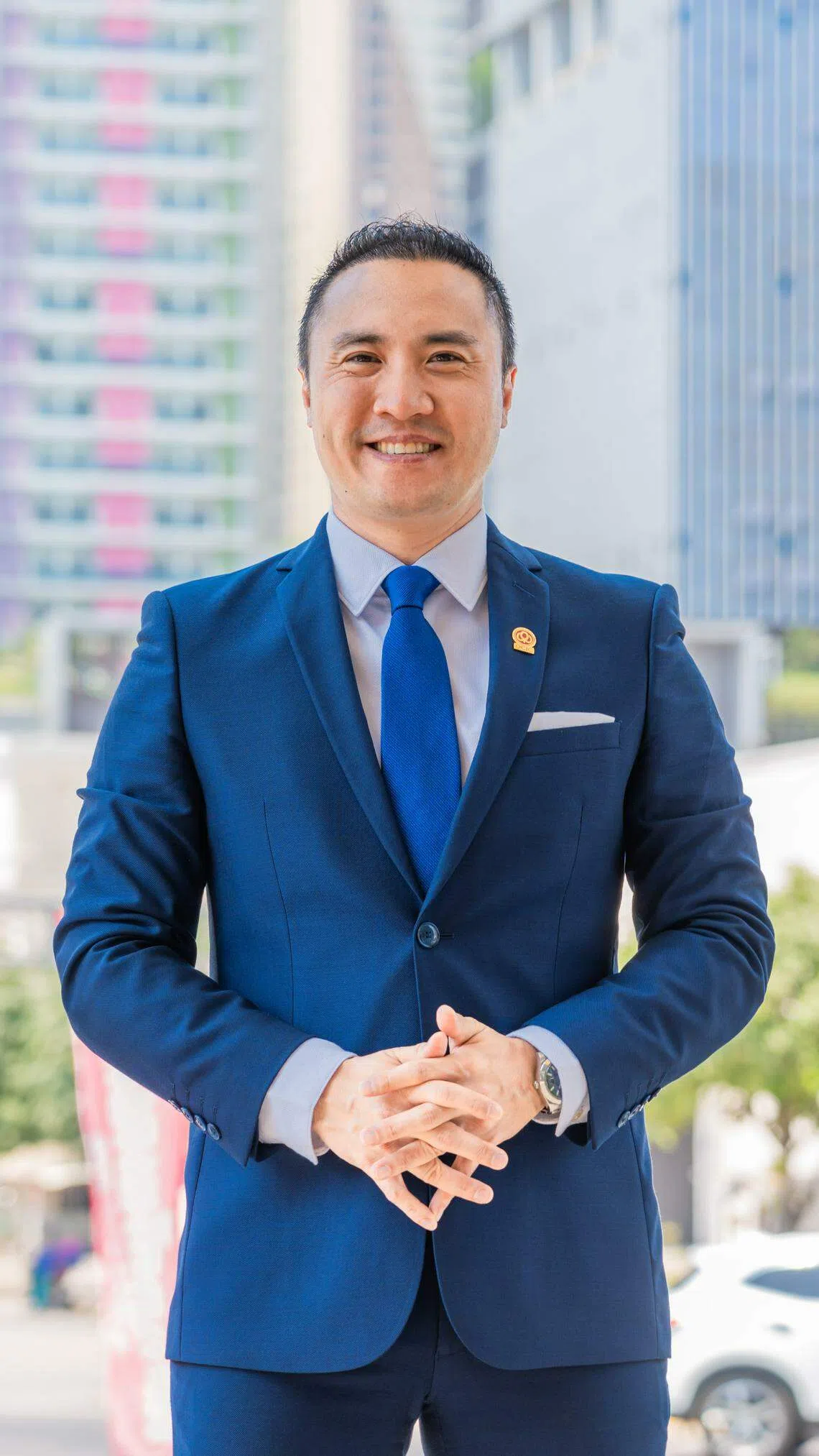
Tea – who once waited tables in a Japanese restaurant in Paris – went on to launch his aviation startup Philjets in 2013 and venture capital company Negocia Capital in 2017. Then, the father of two sons and a daughter joined OCIC Group in November 2022.
The diversified conglomerate started out in 2000 as a real estate and property developer, eventually expanding into education, healthcare, hospitality, retail as well as media and leisure. The group’s portfolio includes two convention centres, two serviced apartments, six hotels and eight commercial buildings.
With total assets of US$7.2 billion, the group employs more than 10,000 people, and has an annual turnover of US$500 million. Listing is not on the cards for now, said Tea.
The multilinguist, who speaks English, French, Teochew, Spanish, Khmer and Mandarin, added: “This is the best time to... invest in Cambodian infrastructure, connectivity, education and healthcare. These are the basic critical factors to upscale the country.”