

Chinese developers struggle to avoid defaults despite state help
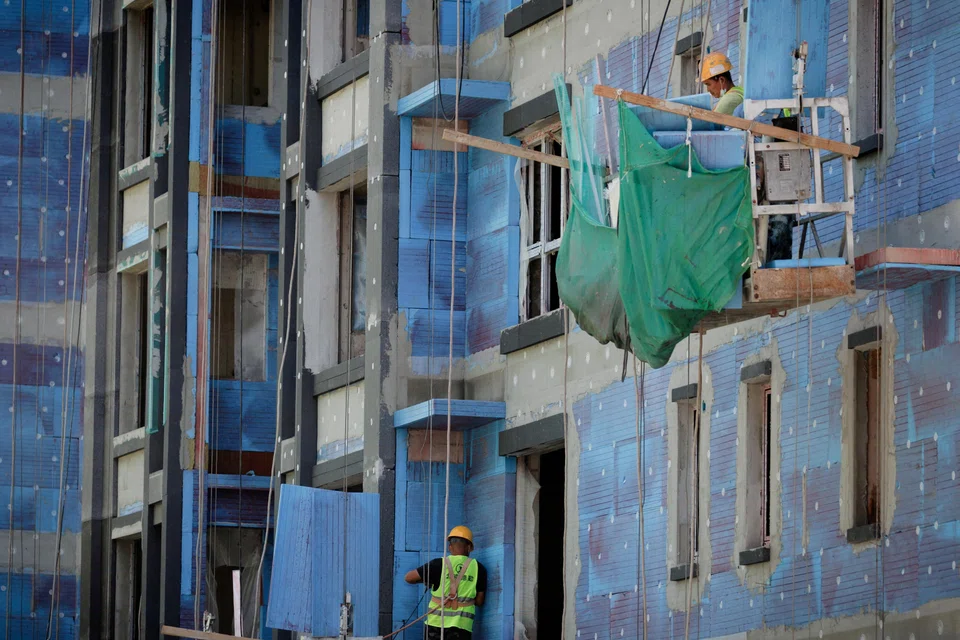
CHINA’S sweeping policy support for the property sector has been no quick fix for developers’ liquidity struggles, leaving some investors waiting until the last minute for cash.
Central China Real Estate remitted funds this week for a dollar-bond interest payment that was originally due Jan 14, three people familiar with the matter said. The amount due was US$9.75 million and there was a 30-day grace period to pay, according to data compiled by Bloomberg. Central China’s investor relations department didn’t offer comment when reached by phone and email regarding the payment status.
Fellow developer Powerlong Real Estate Holdings disclosed earlier this week it cured two dollar-bond coupons before extra time to pay concluded and that it would do the same on a third note.
Builders using grace periods to push out debt payments is allowed under bond covenants. But property firms doing so even as Beijing undertakes a sweeping rescue campaign is a reminder of how severe the sector’s debt crisis has been while new-home sales continue to slump.
“We think the majority of private developers are still subject to tight liquidity given weak presales and difficulty in issuing new bonds,” said Iris Chen, a credit desk analyst at Nomura International HK. “We will only turn more positive on this camp if they manage to issue new bonds offshore.”
China’s bevy of measures to ease the real estate sector’s unprecedented liquidity squeeze include lower mortgage rates on purchases of first homes and providing state guarantees to some builders’ new yuan notes. The moves stoked an unprecedented rally in the developer-dominated junk dollar-bond market, but the strength has lost steam this month.
Builders’ woes have resulted in record missed payments on dollar notes, and delinquencies are expected to remain elevated near-term. Goldman Sachs Group analysts predict the default rate for Chinese high-yield property firms will only ease to 28 per cent this year from above 40 per cent in 2022 on expectations that liquidity support may be “disproportionately directed towards better-quality developers”.
For Central China, its parent sold a 29 per cent equity stake in the midsized builder last summer to a government-owned entity in its home province of Henan. Stock and bond prices briefly soared after the deal was unveiled on hopes the move would provide state support to the firm. In recent months, the company also signed agreements with big state-controlled banks for billions of yuan in tentative credit lines.
Still, Central China waited until the end of a 30-day grace period in December to make a US$7.8 million interest payment.
Some of the sector’s most high-profile defaulters, including China Evergrande Group, made bond payments during grace periods before eventually stopping remittances. Times China Holdings joined that list in January after having previously cured multiple interest payments beyond initial due dates. BLOOMBERG
Decoding Asia newsletter: your guide to navigating Asia in a new global order. Sign up here to get Decoding Asia newsletter. Delivered to your inbox. Free.
Share with us your feedback on BT's products and services
TRENDING NOW

OCBC customers face difficulties accessing online, mobile banking services

SGX CEO Loh Boon Chye to step down; succession planning under way

Waymo founder predicts ‘landslide’ robotaxi adoption in Singapore, driven by high car costs

Vietnam’s northern provinces, not Hanoi or Ho Chi Minh City, are powering near 10% GDP growth

