

Singapore investors pile into Japan investment properties on attractive yield spread
Samuel Oh
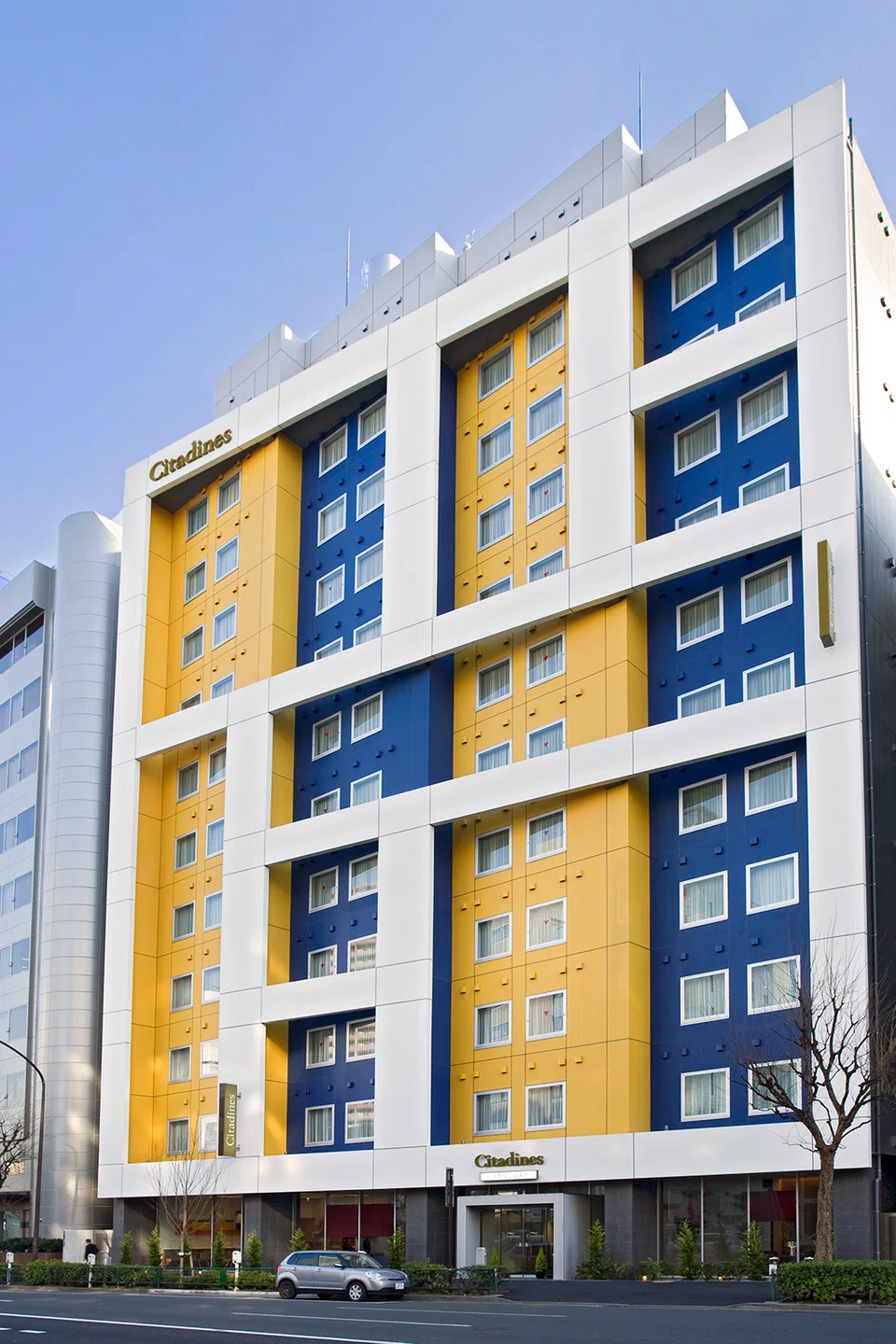
SINGAPORE-BASED investors are making a beeline for Japanese real estate, as low borrowing costs push up the market’s yield spread and increase its relative attractiveness.
Almost US$3 billion worth of real estate assets were purchased in the first eight months of this year, a Knight Frank report indicated, up from US$977 million in the same period last year.
Big spenders include Singapore’s sovereign wealth fund GIC, which bought six logistics facilities for US$800 million; Mapletree Logistics Trust, which acquired six warehouses for US$480 million; and real estate group CapitaLand Investment (CLI), which purchased six multifamily assets in Osaka for S$141.4 million.
Property company City Developments bought a freehold hotel in Osaka for S$78.5 million in August. The following month, the company invested S$321.9 million in a portfolio of 25 freehold residential properties consisting of 836 units in Tokyo.
“Developers and real estate investment trusts are interested in Japan’s real estate market because it offers good returns,” said Christine Li, Knight Frank’s Asia-Pacific head of research.
“We predict Japan will be the most active market for commercial real estate in Asia-Pacific in 2023.”
Low borrowing costs and a weakening Japanese yen have helped spur investors’ interest in Japanese assets.
“Commercial real estate investment in Japan still offers a positive yield spread, which is currently not seen in many other markets,” said Hiroshi Okubo, head of research for Japan at CBRE.
CBRE estimates the net yield of prime office buildings in central Tokyo to be around 2 per cent to 2.5 per cent, and that of prime logistics assets to be around 3 per cent to 3.5 per cent.
In comparison, a Grade A office in Singapore’s CBD could fetch a yield of 3.3 per cent to 3.4 per cent. Logistics properties with a remaining lease of 35 to 40 years can achieve a yield of 6.25 per cent, said Alan Cheong, executive director for research and consultancy at Savills Singapore.
Due to Japan’s low interest rate, however, investors can still enjoy a positive yield spread.
PGIM Real Estate’s head of investment research Cuong Nguyen said this spread remains attractive when compared with government and corporate bond yields.
By sector, CBRE said the most popular among investors has been office property.
Occupancy rates have stayed strong over the last three years. The property consultancy firm expects the sector to be revitalised due to the higher number of workers returning to offices.
Other popular sectors include logistics, on the back of a growing e-commerce market; and hospitality, as Japan has witnessed a strong rebound in tourism following the opening of its borders after the pandemic.
The total investment by global investors into Japan’s logistics properties rose 60 per cent to US$4.3 billion this year, according to Knight Frank.
That for hospitality properties rose 20 per to US$3.4 billion, boosted by the government’s decision to build a US$8.1 billion integrated resort in Osaka.
Koji Naito, research director for Japan capital markets at JLL, said that among buyers seeking diversification, properties in the multifamily, senior living, student housing and data centre spaces have also come “into flavour”.
Singapore-listed CapitaLand Ascott Trust (Clas) is among the companies to have entered the Japanese market early.
Serena Teo, chief executive of the managers of Clas, said the company has over 15 years of experience operating in Japan. The trust’s Japanese portfolio includes eight serviced residences and hotels, one student accommodation property and 23 rental housing properties.
Last year, Clas bought 11 properties in Japan. Teo said the acquisitions were “predominantly funded” by yen-denominated debt, with a funding cost of approximately 1 per cent per annum.
The expected stabilised net operating income yield of the acquisitions is expected to be 4 per cent.
CLI, which owns Clas’ managers, has four office buildings in Tokyo and Yokohama, and two logistics assets in Greater Tokyo and Osaka.
Its managing director for Japan, Hideto Yamada, listed data centres as one interesting asset class amid growing demand for cloud computing, e-commerce, 5G technology, artificial intelligence and data localisation.
There are significant risks for investors, though.
Lim Kai Ching, chief financial officer at Singapore-listed Uni-Asia Group, said Japan’s rental yield is “not particularly exciting”, as the exchange rate fluctuation may wipe off any gains in rental yield or capital appreciation.
Uni-Asia invests in cargo ships and properties, and has also developed small residential projects in Tokyo.
To investors looking at Japan’s residential market, Lim advised entering when the exchange rate is favourable. Alternatively, he said, investors should ensure they have long positions on the yen or do not need to convert their investment into another currency.
Another risk is interest rates. Although rates may not rise substantially in the near term, CBRE’s Okubo said they are unlikely to go any lower.
PGIM’s Nguyen noted that real estate prices in Japan may hold up even as other markets go through some degree of correction.
Investors seeking opportunities to buy at discounted prices could therefore have stronger incentives to look elsewhere.
“Relatively speaking, Japan might become less attractive to global investors from asset allocation perspectives – particularly for investors from Europe or the United States, where capital value corrections in their domestic markets have been relatively significant. Allocation to Japan might have risen just because of their resilience in values in the past 18 months,” Nguyen said.
Currency exchange rates – particularly between the US dollar and Japanese yen – could also affect investment activities in Japan real estate, said Uni-Asia’s Lim.
Overall, however, the sentiment is one of optimism.
“I believe the acquisition trend will continue for the time being,” said JLL’s Naito. Favourable financing conditions should persist, which will support the movement of offshore capital into Japan.
Noting that the Japanese real estate market is developed and liquid, PGIM Real Estate sees the market continuing to play a “strategic pan-regional role” regardless of market cycles and global macroeconomic uncertainties.






