Grab drivers are technically ‘customers’, but not well-placed to bear GST hike
The increase in commission rate comes as drivers face other growing cost pressures.

Sharanya Pillai
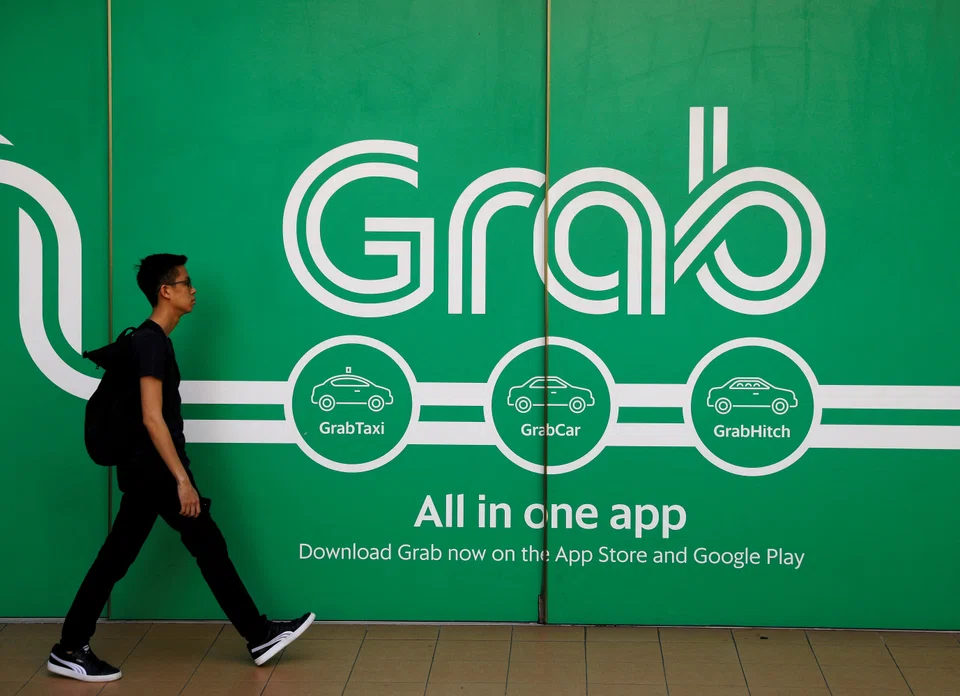
GRAB has drawn backlash with its decision to pass on the 1 per cent increase in goods and services tax (GST) to its drivers. The company announced last month that it will raise its commission rate for drivers from 20 per cent to 20.18 per cent, starting Jan 1, 2023.
This puts ride-hailing drivers in a difficult position. Unlike a large restaurant chain that works with GrabFood, for instance, drivers are not GST-registered. This would mean they cannot charge GST or make claims for GST costs. At the same time, they are price takers with little control over the fares charged to consumers.
It may seem counterintuitive that drivers should have to bear the GST hike, considering that they are providing a service to end-consumers. But Grab has highlighted that its drivers are in fact its customers. This is legally sound, said Ong Pei Ching, a partner at TSMP Law Corp.
As the company explained in its statement: “The way Grab operates is that our driver-partners pay us for the ride-matching service that we provide, and hence our driver-partners are our customers. This is why GST is applied on the commission that driver-partners pay Grab.”
Ride-hailing drivers are effectively independent contractors, despite platforms calling them “driver-partners” in their terms and conditions and media statements, said Yang Shi Yong, director of tax and private client services at Drew & Napier.
“The term ‘partner’ is really their own vernacular to describe their relationship, but this does not change the legal characterisation of them as independent contractors,” he added.
That said, semantics matter. Drivers typically see themselves as workers or independent contractors, which lines up well with the term “partners” but not so well with the term “customers”.
This muddle over how drivers are referenced adds to the complexity of employment status in the gig economy, as well as the rights of gig economy workers.
Meanwhile, Grab has chosen not to pass on the additional 1 per cent to end-consumers. It cited the need to manage concerns about high fares amid a lack of drivers.
Grab has taken some steps to address drivers’ concerns. It has introduced a six-month GST rebate scheme to offset the cost of the GST increase; drivers will need to complete at least 200 rides within a month to be eligible.
The company is also tackling the issue of high fares. “We are working to onboard more drivers and also introduce more affordable service options to mitigate this over time,” it said.
But platforms like Grab could do more, given the strong cost pressures drivers face.
Member of Parliament (Pasir Ris–Punggol GRC) Yeo Wan Ling, also an adviser to the National Taxi Association (NTA) and National Private Hire Vehicles Association (NPHVA), raised drivers’ concerns in Parliament on Nov 7.
“Our drivers from the NTA and NPHVA have told me that they are worried about the impending GST increments and this affecting their daily takings and livelihoods,” she said, adding that this comes as the cost of fuel, car rental and insurance goes up.
In a Facebook statement last month, the NTA and NPHVA called on platforms and taxi companies to help drivers cope with the GST increases in 2023 and 2024, adding that “these should not be wholly absorbed by point-to-point drivers”.
This makes it all the more timely that Singapore is working to instil greater protections for ride-hailing and food delivery workers, by introducing Central Provident Fund contributions and work injury compensation.
Crucially, the government is also looking into collective representation for this group. That could provide drivers with more bargaining power in future if any platform once again decides to pass on further costs to them.
Besides Grab, Gojek is also raising its service fee for drivers this year – from 10 per cent to 15 per cent from February – after it previously halved its rate from 20 per cent during the pandemic.
Other players are thus far maintaining their commission rates – with Ryde at 10 per cent and Tada not charging any commissions. Taxi operator ComfortDelGro is extending its daily rental waiver of 15 per cent for cabbies until Mar 31.