AJJ Medtech ventures into healthcare space; banks on acquisitions, portfolio expansion

Megan Cheah

IN 2019, one Catalist-listed company was on the cusp of pivoting into a burgeoning industry – medical technology (medtech).
A new management team had been handed the reins of OEL Holdings, then an offshore shipyard business, with the intention of entering the medtech sector to provide medical consumables and equipment to healthcare institutions.
Then, Covid-19 brought its plans to a standstill.
In the three pandemic-ridden years, the company – now renamed AJJ Medtech – focused on “building its foundations”, said chief executive officer Alice Zhao.
“We started from zero,” she said, noting that the company had to apply for the necessary certificates, then bid for various tenders issued by healthcare institutions.
There is usually a long runway for such tenders, and the waiting period was one of the “darkest periods” for the company, she said.
With borders now reopened, Zhao said, AJJ is ready to roll out its high-tech medical consumables and equipment to more customers in South-east Asia.

The company offers more than 6,000 products, ranging from healthcare consumables such as catheters to medical devices including blood glucose monitoring systems. It also offers more sophisticated equipment that can be used for diagnostic imaging of cancer, as well as dental care-related devices.
The company’s pivot to medtech stemmed from the segment’s rapid growth amid an ageing population. Several of its clients are public hospitals in Singapore, although it also serves the private sector.
BMI, a unit of research house Fitch Solutions, projected that Singapore’s medical devices market will grow at a compound annual growth rate of 6.3 per cent between 2023 and 2028 to hit S$1.5 billion.
AJJ chairman Zhang Jian had recognised the higher demand for medical devices, and believed the best way for a fledgling medtech business to gain recognition from consumers quickly was to take over a listed company.
Pointing to the rules for corporate governance required by the local stock exchange, AJJ chief strategy officer Zhang Yulei added: “(Being listed) also gives our suppliers and customers a lot of trust, as everything is very transparent.”
In December 2019, Zhang Jian purchased most of the company’s shares held by OEL’s then-chairman Jeffrey Hing, and began the work to pivot into the healthcare industry.
Zhao, who worked with Zhang Jian at his company Eminence Investment and was from a largely financial background, was appointed chief executive officer in January 2020.
Strategic partnership
Zhang Yulei, who is also chairman Zhang Jian’s daughter, said the company aims to have a portfolio that follows closely the advancements in medtech. This means looking for ways to offer newer and more products to its clients.
One way that AJJ aimed to catalyse the growing need for medical devices was through acquisitions.
In August, the healthcare group, through a subsidiary AJJ Healthcare, acquired a 70 per cent stake in ultrasound distributor Quest Asia Technologies (QAT) for S$450,000 to enter the diagnostics imaging sector.
Established in 2017, QAT is the sole distributor of the Samsung Medison Ultrasound registered with Singapore’s Health Sciences Authority since 2019.
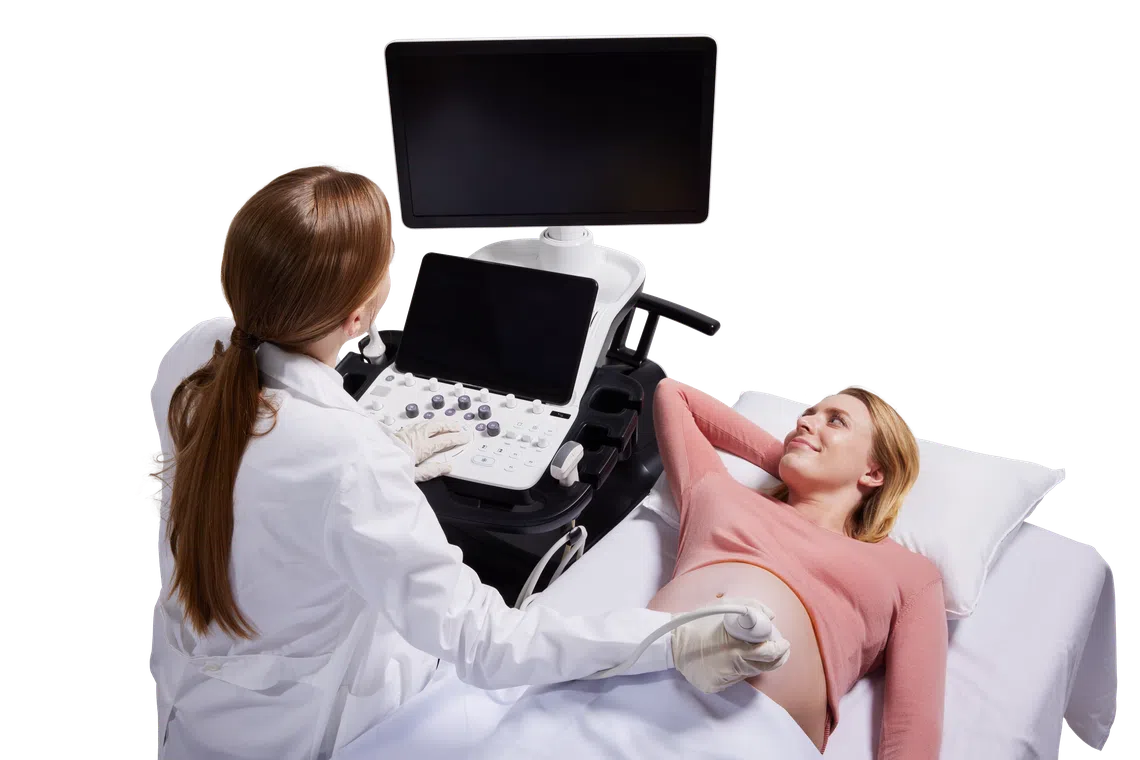
It has been distributing the device since 2019, to healthcare institutions in Singapore and South-east Asia, including major hospitals such as Gleneagles and KK Women and Children’s Hospital, as well as private clinics and veterinary services.
Zhao said: “The strategic acquisition helped us to immediately increase our portfolio (of products)... and enhance AJJ’s offerings.”
Through the acquisition, QAT’s director and founder Leslie Chua joined AJJ’s management team as its director of corporate partnerships.
His 35 years of sales experience in the South-east Asian healthcare industry was crucial for a young company like AJJ, as it was able to tap his expertise and connections to expand to other regions, noted Zhao.
Chua, who still holds 30 per cent of his company, said a key point to QAT becoming a subsidiary of AJJ was to increase its range of medical devices to its already established client base, as well as “focus on bringing in revenue” to the company.
“As a tiny company, there is only that much I can grow organically. But if I’m part of a bigger arm, the story will be different – leveraging on (the larger company’s) back-end operations will free up time for us,” he said.
He noted that the two businesses were synergistic, as AJJ focused more on consumables while QAT dealt with high-end equipment – the differentiation in products could enable customers of one brand to consider the other.
“The selling cycles of consumables are a lot shorter, compared to equipment, (which) are a lot more complex and user-targeted, and can stretch for six, or even nine, months,” he said.
This move appears to have borne fruit so far. AJJ’s revenue jumped 209.6 per cent to S$1.1 million for the second half ended Dec 31, 2023, on the back of improved performance in the group’s healthcare and services segment.
This growth was “driven by factors such as market expansion, product innovation and strategic partners”, said the group in its financial results released on Feb 29. It also attributed the increase to revenue contribution from QAT.
As cost of sales increased in tandem with higher revenue, coupled with high administrative expenses, the group remained in the red. It narrowed its losses to S$1.4 million, from S$2 million in the corresponding year-ago period.
Post-Covid bright spots
With Covid largely over, AJJ plans to court regional health institutions with its products.
It also aims to reorganise its portfolio and add products that are price competitive and offer improved efficiency for healthcare providers.
Zhang Yulei noted that offering price-competitive quality products was a “market opportunity for AJJ”, as saving the consumers’ medical expenses was a priority of public healthcare.
Healthcare providers are also constantly on the lookout for improved efficiency due to the shortage of manpower in the sector, she said.
Chua noted that newer models of ultrasound equipment and other diagnostic imaging machines offer more dynamic imaging and are able to recognise patterns in what is being scanned.
“Previously, doctors would have to scroll through image by image… Now, (scanned) images are basically processed in the back end, and certain images are picked up, prompting the user that this is the region (of concern),” he said.
As later models adopt newer technology, Chua sees good growth in the diagnostic imaging segment and is bullish on the space. “A lot of resources and development have been allocated to automation, specifically into the imaging part of the healthcare space,” he added.