
Higher CPO prices, low stockpiles only a brief reprieve for regional palm oil stocks

Uma Devi
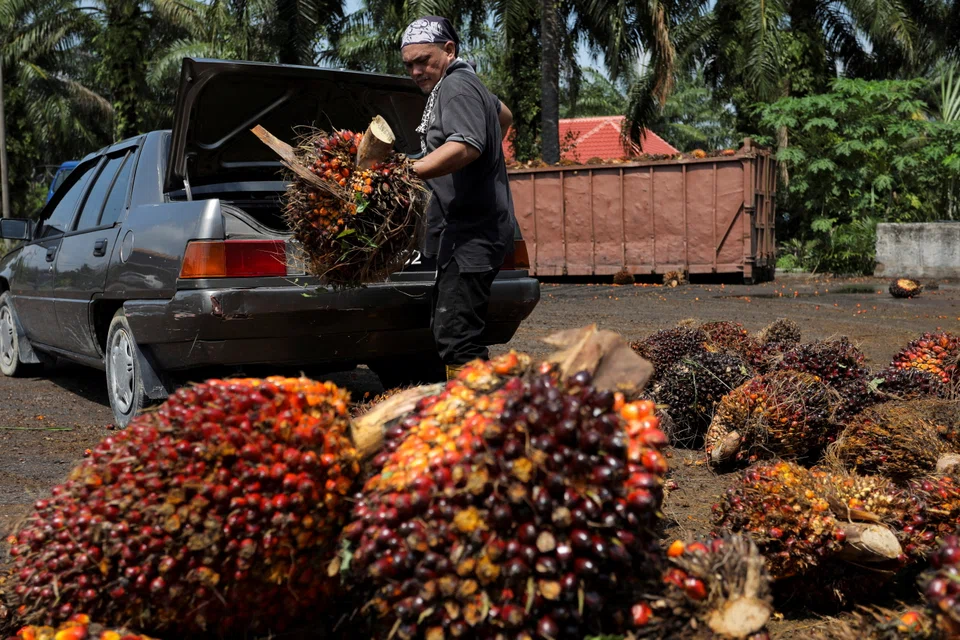
THE mini rally in palm oil prices and current low stockpiles have given regional palm oil companies some respite in light of the broader volatility-ridden agri commodities sector, but observers are cautious on the outlook for crude palm oil (CPO).
It has been a good run for palm oil so far this year. Inclement weather in India – one of the top importers of palm oil – prompted higher imports of edible oils, while palm oil inventory in Malaysia for February dropped to just over 1.9 million tonnes from two million tonnes in January.
The lower stockpiles have in part caused CPO prices to track higher on futures markets in the region. Bursa Malaysia-listed CPO futures are up about 21 per cent this year as at market close on Mar 21 to RM4,352 (S$1,235.87) per tonne. At current levels, CPO prices are at a one-year high.
Despite the recent rally, average prices of CPO futures so far this year are still lower than those last year. This has translated into weaker earnings for most of the region’s listed palm oil stocks.
Key players
In Singapore, pure palm oil players such as Golden Agri-Resources , Mewah International and First Resources suffered the steepest declines in terms of percentage for their earnings for the second half of the fiscal year 2023, due to lower revenue on the back of weaker palm oil and palm kernel prices.
Golden Agri’s earnings fell to US$15.3 million from US$392.4 million; Mewah’s profit declined 69.4 per cent to US$30.4 million, and First Resources booked a 62.5 per cent drop in earnings to US$73.9 million. Kencana Agri also fell into the red for FY2023.
Agribusiness giant Wilmar International was more buffered. The group’s earnings fell 21.3 per cent to US$973.9 million due to lower contributions from its feed and industrial products division.
On the other hand, Bumitama Agri posted a 94.7 per cent rise in net profit for H2 to 1.26 trillion rupiah (S$108.4 million). Its revenue rose 15.8 per cent, due chiefly to a rise in the sales volume of its palm products.
Meanwhile, Indofood Agri Resources’ net profit inched up 1.5 per cent to 525.6 billion rupiah, despite a 13.7 per cent decline in revenue. It attributed the stronger bottom-line figures to “stable CPO prices and higher sales volume”, as well as lower operating expenses and net changes in the fair value of its biological assets.
Over in Malaysia, key players such as IOI, KL Kepong and FGV took hits to their Q4 earnings due to lower revenue. Sarawak Oil Palms’ quarterly earnings more than doubled on the back of higher volume of palm products, while Genting Plantations booked a 13.1 per cent increase in earnings.
In Indonesia, FY2023 full-year earnings and revenue of the trio of palm oil stocks – London Sumatra, Dharma Satya Nusantara and Astra Agro Lestari – declined, amid lower CPO prices.
Analysts’ expectations
Maybank analyst Ong Chee Ting, for one, is bracing for a prolonged period of low CPO prices.
He said in a note that the commodity’s upside is capped by prices of competing oils. He expects CPO prices to stay around the RM4,000 per tonne mark till the end of March or early April, as production is presently in its low output cycle. Meanwhile, Ong expects demand will likely stay resilient during the Ramadan period.
Maybank anticipates palm oil output to pick up from Q2 and hit its peak sometime in Q3.
“This will pressure CPO price on the downside once supply is no longer tight. Further, CPO price upside is presently capped by its narrowed price discounts (relative to historical averages) against other major competing vegetable oils.”
Maybank has “buy” calls on Singapore’s Bumitama Agri and Malaysia’s Sarawak Oil Palms.
OCBC analysts also have a “buy” call on Bumitama Agri, advising investors to look beyond the stock’s “near-term softness”.
“(Bumitama’s) superior productivity, high quality plantations and continued focus on maximising its current plantations places it in a good position to deliver on above industry average yields and to capitalise on supportive long-term industry fundamentals,” the analysts said.
BMI analysts said markets will continue to watch the development of biofuel policies.
They said the extension of a nationwide B20 fuel mandate in Malaysia – which dictates that diesel for transportation in the country must have a 20 per cent palm oil component – and the increase of the B35 mandate to B40 in Indonesia have been reported to have “outcomes with a non-zero likelihood in the medium term”.
TRENDING NOW
Grab CEO’s wife Chloe Tong on life with Anthony Tan and finding her purpose
He built the Vingroup empire. Now South-east Asia’s richest man is handing some key roles to his sons
Can Mark Shaw bring Singapore back to Orchard Road and the movies?
Ex-Sembcorp Marine CEO Wong Weng Sun acquitted of charges in Brazil corruption case



