Interest-rate cuts expected to send money into private assets

Joan Ng

CUTS in interest rates should push investors out of the comfort of money-market funds and government bonds and into riskier products, including private assets, market watchers said.
Even as central banks around the world cut interest rates to stimulate their economies, however, rates are unlikely to fall to the near-zero levels of recent years.
This higher-for-longer environment means it will be important for private-asset investors to pick good managers who can deliver value without relying heavily on leverage.
“Rates are still very much in focus,” said Neo Bee Leng, investment strategist at Bank of Singapore (BOS). “We have been of the view that rate cuts are definitely a second-half story... as the last mile of inflation is looking fairly sticky.”
As rates fall, safer assets will begin to look less attractive; Neo expects some clients to express greater or renewed interest in alternatives.
Clients who had some private market or alternative asset allocations in their portfolio over the last 10 years would be most likely to show interest, she said, as such investors would have seen “very good returns”.
Market data showed that private equity and private credit have significantly outperformed traditional asset classes in recent years.
Much of that return comes from an “illiquidity premium”, said Neo. Unlike public equities, private assets are not easily sold. “We still think that premium exists,” she added.
Some element of that return has, however, come from being able to borrow money at very low rates for much of the last two decades.
Private-equity funds typically buy companies with the aim of reselling them at a higher valuation. To command this higher valuation, they aim to improve their portfolio companies’ profitability or returns through a combination of restructuring and leverage.
Doubts are rising “about the viability of value-creation models reliant on financial engineering”, said DBS analyst Beatrice Tan in a report from the bank’s chief investment office.
There is “greater emphasis on value creation through operational improvements of portfolio companies”.
Within the private-equity space, Tan sees money flowing into secondaries. Unlike a primary fund, which might buy a company directly from its founders or from the public market, secondary funds buy their assets from primary funds.
The secondary market has grown more active in the last year because primary funds seeking to return money to their investors have been unable to exit via sales on public markets.
“The resulting glut of investment opportunities in secondaries has made it a buyer’s market, allowing secondary funds to purchase stakes at historically attractive discounts,” said Tan, adding that more funds are expected to launch secondaries strategies this year.
In the private-credit space, DBS’ Tan said fundraising activity has been strong for distressed debt. Funding pressures, higher rates and slowing growth will weigh heavily on the weakest borrowers, she said.
This will create a fertile hunting ground for distressed managers, who expect compelling deal flow, and have begun preparing to capture such opportunities by gathering dry powder.

Neo of BOS said assumptions of interest-rate cuts later this year also make the private-credit space attractive – current rate levels ensure investors lock in a “decent distribution”, while also being able to bank on potential capital appreciation in the second half of the year.
Investment and dealmaking activity in the private-assets space has increased because public markets were underperforming for some time. This underperformance affected investor confidence and stopped companies from using public markets for financing.
Clifford Lee, DBS’ global head of fixed income, said companies would have found it difficult to raise money in an initial public offering over the last two years.
Those seeking funding in the United States and Europe would also have found it difficult to secure bank loans, as banks were credit-constrained, he said.
Some turned to private equity, and others, to private credit – and investors looking for diversification or better returns were ready to fund them.
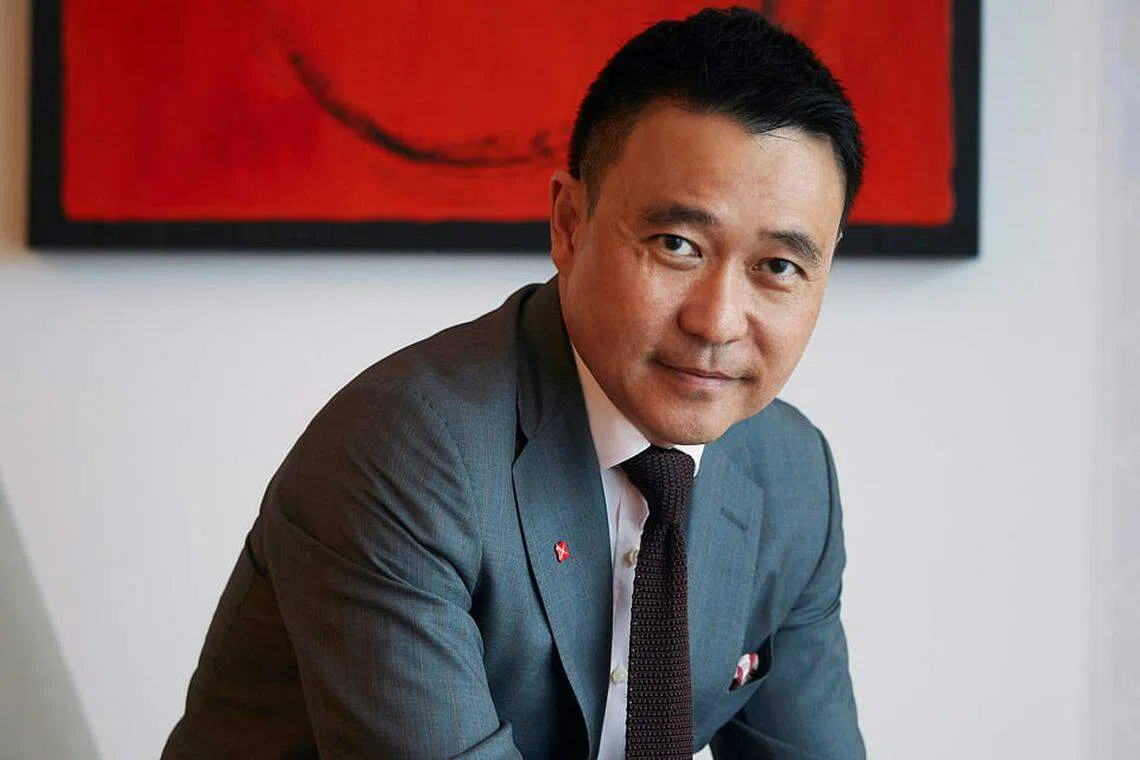
Will a recovery in public markets, which some industry watchers expect this year, trigger a reversal of fund flows?
Lee believes recovery will take some time, and he continues to see a market for private credit players. The easing of rates will also make private credit more relevant as an asset class, he added.
“Awareness of it has built up,” he said. “Investors can use it as a form of diversification.”
Edmund Buckley, who is global co-head of private equity at Pictet and heads the group’s direct private-equity unit, also sees continued momentum on the private-equity side.
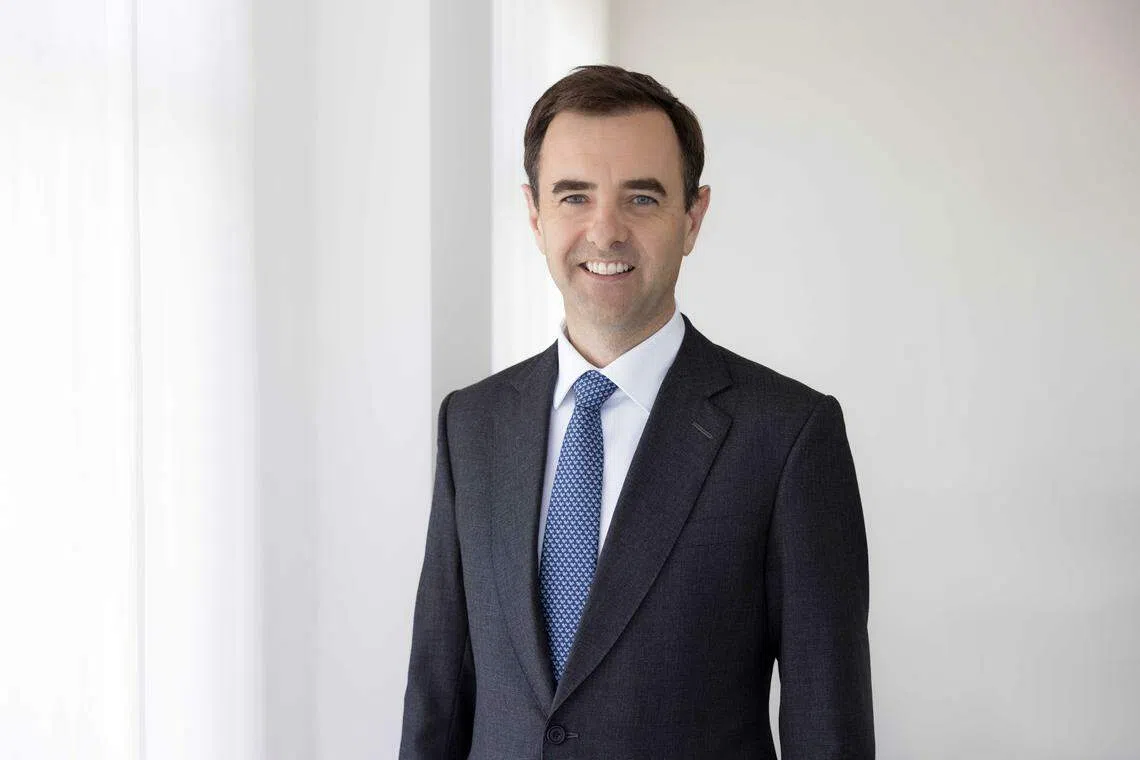
His unit invests directly in the European mid-market, which it defines as companies with three to10 million euros in annual earnings before interest, taxes, depreciation and amortisation.
In Europe, he said, many family-owned companies are running into succession issues and looking for equity partners who can also help grow and professionalise the business.
Private investors, meanwhile, are just beginning to show greater interest in such alternatives, he said, adding: “That section of the market is underpenetrated and is likely to grow substantially over the next decade.”