

US loses 140,000 jobs in December as economy sputters
Employers are laying off workers amid rising coronavirus cases and waning government aid
 Add BT as a preferred source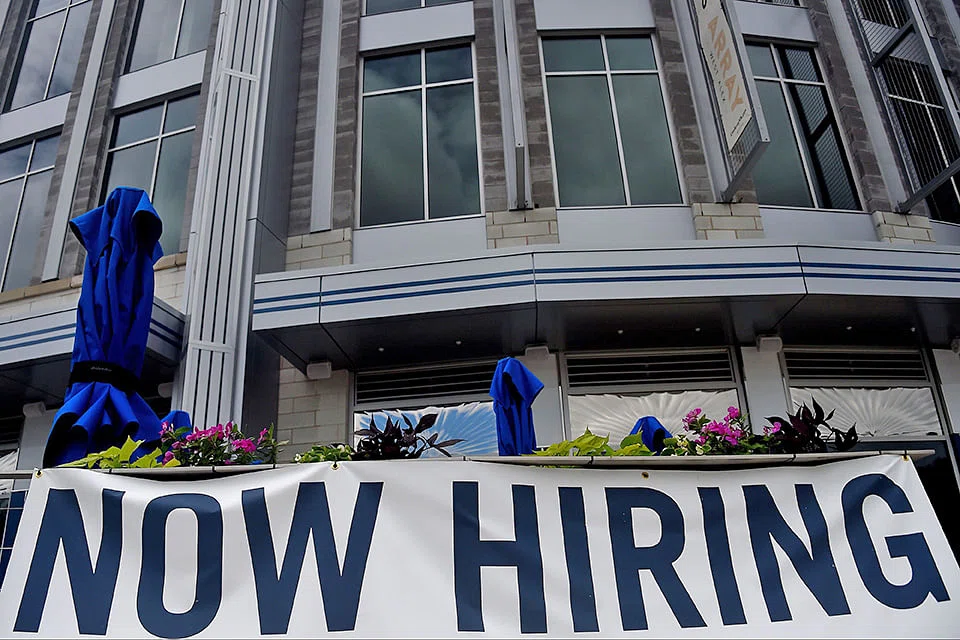
DeeperDive is a beta AI feature. Refer to full articles for the facts.
Washington
THE already sputtering economic rebound went into reverse in December, as employers laid off workers amid rising coronavirus cases and waning government aid.
US employers cut 140,000 jobs in December, the Labor Department said on Friday. It was the first net decline in payrolls since last spring's mass layoffs, and though the December loss was nowhere near that scale, it represented a discouraging reversal for the once-promising recovery. The US economy still has about 10 million fewer jobs than before the pandemic.
The December losses were heavily concentrated in leisure and hospitality businesses, which have been hit especially hard by the pandemic. The industry cut nearly half a million jobs in December, while sectors less exposed to the pandemic continued to add workers.
The unemployment rate was unchanged at 6.7 per cent, down sharply from its high of nearly 15 per cent in April but still close to double the 3.5 per cent rate in the same month a year earlier.
The new year will not bring much relief, at least not right away. The virus is still raging out of control, leading cities and states to reimpose restrictions on businesses and consumers to pull back on activities that could put them at risk. Many forecasters expect more weak economic data for January and February.
Navigate Asia in
a new global order
Get the insights delivered to your inbox.
"I can't see that the labour market is going to get a whole lot better until we get the pandemic under control," said Erica Groshen, a Cornell University economist and a former commissioner of the Bureau of Labor Statistics.
The December data, the last of President Donald Trump's time in office, marks the end of a year of violent swings in the labour market. Employers cut 22 million jobs in March and April, then began rehiring furloughed workers en masse in May and June. By August, the economy had regained close to half of the lost jobs.
But momentum soon faded. Hiring has slowed every month since June, and the economy lost about nine million jobs in 2020 as a whole, the first calendar-year decline since 2010 and the worst on a percentage basis since the aftermath of World War II.
Congress last month passed a US$900 billion relief package that will provide temporary support to households and businesses and could give a boost to the broader economy. And in the longer run, the arrival of coronavirus vaccines should allow the return of activity that has been suppressed by the pandemic.
But the vaccine and the aid came too late to prevent a sharp slowdown in growth.
"We did have a pullback in the economy," said Michelle Meyer, head of US economics at Bank of America. "If stimulus was passed earlier, maybe that could have been avoided."
The lost winter could have lasting implications. Temporary furloughs have increasingly turned into permanent layoffs as the pandemic has dragged on, and tens of thousands of small businesses have closed for good. Millions have joined the ranks of the long-term unemployed, and in recent months many have been leaving the labor force. NYTIMES
Decoding Asia newsletter: your guide to navigating Asia in a new global order. Sign up here to get Decoding Asia newsletter. Delivered to your inbox. Free.
Share with us your feedback on BT's products and services
TRENDING NOW

Japan stocks look set for new highs in 2025 on earnings, reform

Beijing’s calculated silence on the Iran war

China pips the US if Asean is forced to choose, but analysts warn against reading it like a sports result

Richard Eu on how core values, customers keep Singapore’s TCM chain Eu Yan Sang relevant

