Malaysia’s visa-free policy attracts more tourists from China’s second-tier cities
Tan Ai Leng
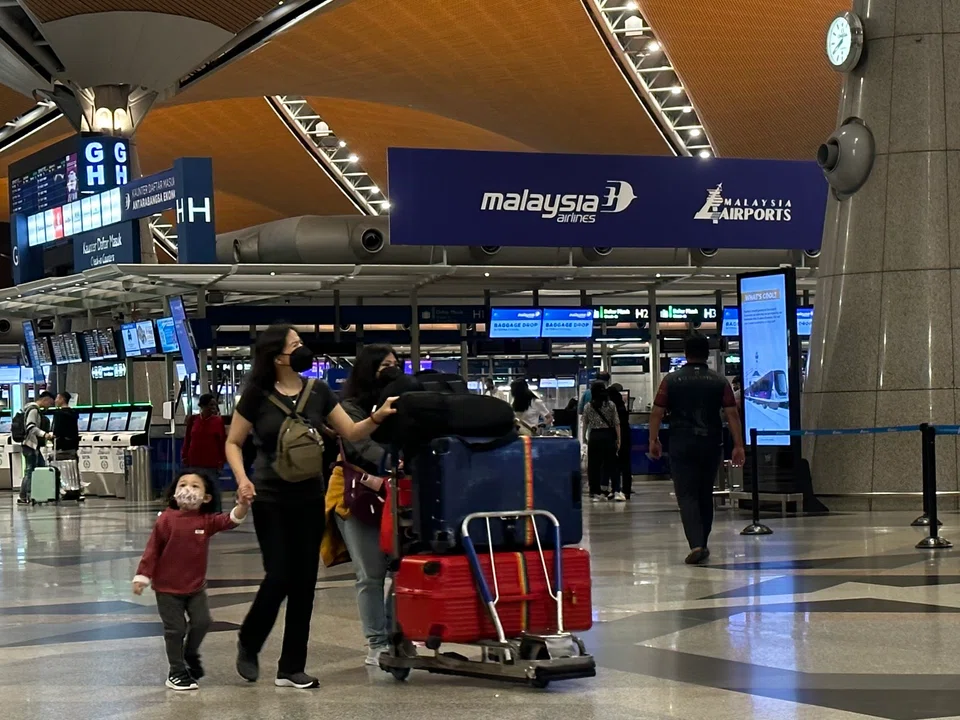
[KUALA LUMPUR] The Year of the Dragon started with a bang for Malaysia’s tourism industry, thanks to the Malaysia-China visa-free policy which drew thousands of tourists to the South-east Asian nation during Chinese New Year (CNY).
Malaysian Chinese Tourism Association president Paul Paw said that more than 10,000 tourists from China visited the country during the festive period, generating an estimated tourism spend of at least RM1 billion (S$284 million).
“The growth momentum is expected to continue. We are seeing increasing interest from tourists in the second-tier cities in China, such as Xiamen and Wuxi,” he told The Business Times.
The Malaysian government announced the implementation of a 30-day visa-free entry for Chinese citizens from December last year till end-2024.
The announcement came after the Chinese government implemented visa-free travel for six countries – Malaysia, France, Germany, Italy, the Netherlands and Spain – for a year from Dec 1, 2023 to Nov 30, 2024.
With this, Malaysia has joined its closest neighbours – Thailand and Singapore – which also offer visa-free travel for Chinese tourists. This has made Thailand-Malaysia-Singapore a more attractive travel choice for Chinese tourists who are eager to visit South-east Asia.
Furthermore, with no visa restrictions, tourists can now plan longer trips across these three countries and are not limited to just one or two countries as they were previously, said Paw.
He noted that big travel agencies in China have engaged chartered flights to fly tourists directly from the second-tier cities to their preferred destinations in Malaysia, such as Kuala Lumpur, Langkawi or East Malaysia.
Paw said that there will be at least 17 chartered flights bringing in groups from these cities to Malaysia. “The hassle-free travel – with no visa needed and no need to travel to international airports in other cities like Guangzhou – has fuelled their interest to come to Malaysia,” he added.
Malaysian Inbound Tourism Association deputy president Mint Leong echoed this, noting that the weak ringgit was another attractive factor for tourists.
“There are long queues at luxury brand outlets and restaurants in shopping malls in Kuala Lumpur... a majority of them are tourists,” she said, adding that local specialities such as bird’s nest products were another favourite.
Data from Chinese online payment platform Alipay+ showed that Malaysia ranked the fifth most popular destination globally for China tourists during CNY. Spending in the country in the first seven days of the festive period this year was 10 times higher than in the same period last year.
Since the implementation of visa-free travel, Malaysian Transport Minister Anthony Loke said, there has been double-digit monthly growth of visitors flying into Malaysia from China.
In anticipation of rising demand from Chinese tourists, Malaysian and Chinese airlines have increased seat capacity to 6.8 million – nearly double from 3.5 million last year. This represents more than 80 per cent of the pre-pandemic level (8.3 million seats in 2019), based on Malaysian Aviation Commission data.
Kuala Lumpur Tourist Guides’ Association chairman Peter Pan observed that the robust meetings, incentives, conventions and exhibitions (Mice) events have also contributed to the buzz of activity in the tourism space. “These Mice events will attract business travellers and some of them will also bring their family members and continue travelling in Malaysia after the events,” he added.
The Malaysia Convention and Exhibition Bureau indicated that there were 285 business events held in the country last year, attracting around 904,000 visitors.