

How to trade an election
It is becoming harder for investors to ignore politics
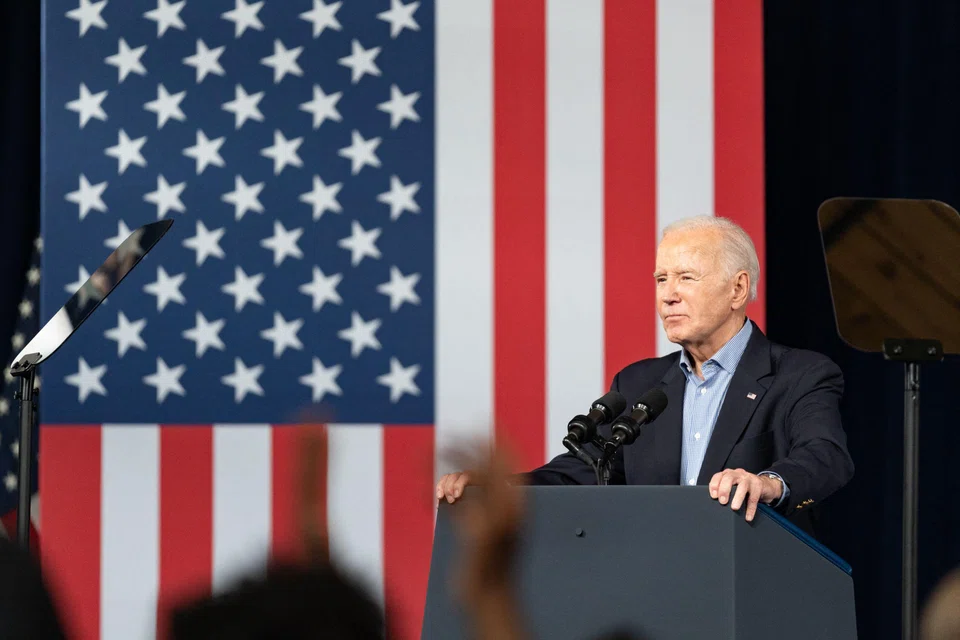
INVESTORS differ in their approach to elections. Some see politics as an edge to exploit; others as noise to block out. Even for those without a financial interest, markets offer a brutally frank perspective on the economic stakes. As elections approach in America and Britain, as well as plenty of other countries, that is especially valuable.
Take what happened before and after America’s presidential election in 2020. Green-energy and cannabis stocks briefly became market darlings as the odds of a victory for Joe Biden rose, since investors expected his administration to enact policies favourable to both. Exchange-traded funds covering the sectors rallied by over 100 per cent from two months before the election to Biden’s inauguration, before later dropping as investors scaled back their optimism.
What are markets saying about the current race for the White House? The candidates’ agendas are similar in places. Both tilt protectionist (though Trump’s plans are more radical); both would oversee hefty deficits (though with different beneficiaries).
TRENDING NOW

Once staunchly pro-China, Malaysian Chinese businesses are now distancing themselves from Beijing

Stocks to watch: HPL, Aims Apac Reit, Zico, Advanced Systems Automation, ComfortDelGro

‘How many will survive?’: Bubble fears arise as China’s humanoid robotics face reality check
Smaller board lots can’t fix a market run by three banks

