Wall Street’s deals rebound is missing something
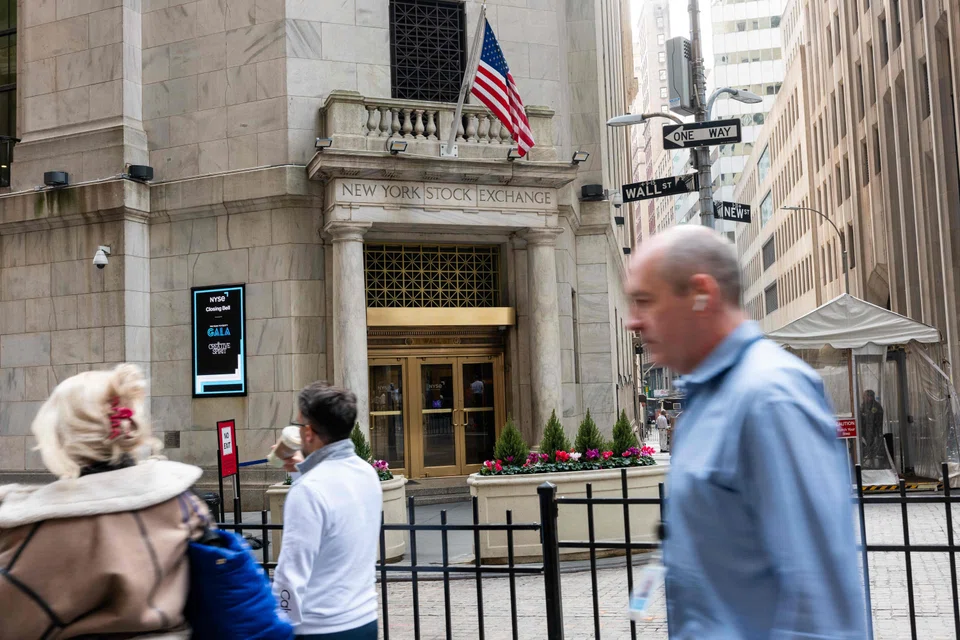
DEALMAKING is back! At least that’s what it looks like after the big five US investment banks reported a 27 per cent increase in first-quarter fees from mergers, takeovers and fundraising compared with the same period last year. But beneath the surface, the recovery is patchy and the bullish outlook of many Wall Street executives relies on private equity firms getting back into the game.
Bank of America saw the strongest rebound with investment banking revenue up 35 per cent versus the first quarter last year, it said on Tuesday (Apr 16). Morgan Stanley, which also reported on Tuesday, had the weakest growth of the five, but its fees were still 16 per cent better than last year.
Citigroup, Goldman Sachs and JPMorgan Chase, which all reported earlier, also saw growth after nearly two years of depressed activity.
Still, not all cylinders are firing. Debt markets have been strongest, while stock sales recovered well, but dealmaking remains tough, especially with private equity being so quiet.
There’s plenty to keep executives and investors nervy given conflicts in the Middle East and Europe, the wave of elections coming, including the United States presidential race, and the paths of inflation and interest rates.
The biggest driver of first-quarter banking revenue came from companies borrowing in bond and loan markets. This is after 2024 began with expectations of multiple US interest rate cuts, which pushed down the cost of debt funding and brought forth a flood of refinancing.
Investment-grade, blue-chip borrowers led bond issuance, but riskier, junk-rated companies (including many owned by private equity funds) also replaced costlier private credit and older loans with cheaper bonds and leveraged loans.
Private credit lenders have enjoyed a boom over the past 18 months or so, but this was a fallow period for traditional loans, which are sold (or syndicated) to mutual funds and investment vehicles known as collateralised loan obligations (CLOs). As interest rates peaked, the CLO market reopened, creating demand for new loans.
Denis Coleman, chief financial officer of Goldman Sachs, said on Monday that the syndicated loan market was finally functioning and healthy again in the first quarter.
“The vast majority of the activity was actually refinancing,” he noted. “A lot of that was refinancing private credit capital structures, with the more attractive pricing available in the broad-based syndicated market.”
Overall, debt capital market fees within investment banking were nearly 50 per cent higher than in the first quarter of 2023 for the big five banks combined. Citigroup led the pack with a 62 per cent jump in revenue.
New stock market listings have suffered as deep a famine as leveraged loans, but with Reddit, Galderma Group and Amer Sports among the big initial public offerings in the first three months of 2024, the market has seen a relative boom.
The big five combined reported a 74 per cent increase in fees. Both Bank of America and Morgan Stanley more than doubled their equity capital market revenue versus the first quarter last year. However, total equity raising fees still lag most quarters in 2019 and are way behind the explosive activity of 2020 and 2021.
The good thing, according to Morgan Stanley chief executive officer Ted Pick, was that stock sales had come from across industrial sectors and Silicon Valley. The one big source of business not on his list was private equity firms, which are still struggling to exit investments and return cash to their backers.
Waiting for the return of private equity
Private equity firms have provided up to 30 per cent of fees for equity, debt and merger and acquisition (M&A) bankers for about the past decade. Their absence explains why M&A fees failed to rebound.
Only Goldman Sachs saw good growth with its advisory revenue, up 24 per cent in the first quarter. Revenue at Citigroup, JPMorgan and Morgan Stanley was down between 17 per cent and 28 per cent.
Citigroup CEO Jane Fraser said that financial sponsors, another name for private equity firms, were likely to return to providing 20 per cent to 30 per cent of global investment banking fees in time.
“Financial sponsors are sitting on US$3 trillion of estimated firepower, which they are incentivised to deploy,” she noted on Friday’s earnings call.
David Solomon, Goldman Sachs CEO, is also pinning his hopes on financial sponsors and the pressure they are getting from their own investors to start returning more cash.
“The sponsor activity is still muted, but I would say it’s definitely picking up,” he said on Monday. More conversations with these funds were happening than any time during 2023, he added, although still at a lower level than was typical.
JPMorgan’s chief financial officer Jeremy Barnum was the one executive to sound cautious. Equity and debt markets were well set for deals in the first quarter, and that probably pulled forward a lot of activity from later in the year, he said.
On M&A, which is important not only for dealmaking fees but also for the equity and debt market activity that goes with takeovers, Barnum pointed to the “chilling effect” of a tough US regulatory environment and the potential influence of politics. “In the end, we’re just going to fight really hard for our share.”
Private equity firms do need to get busy buying and selling companies again – it’s their reason for existence, after all. The second quarter could see more deals get going, but to my mind it still looks like 2024 will be a very bumpy year for sponsors and the investment banks that rely on them. Hold the champagne.