

Competition in Singapore co-living sector cranking up
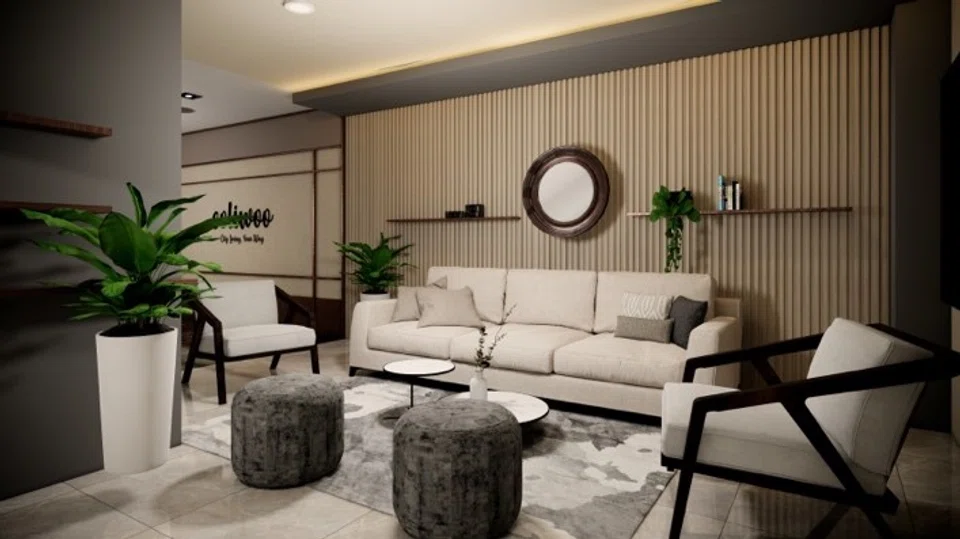
DEMAND for co-living spaces in Singapore levelled up over the last two years. But with more operators pushing into the niche residential space, competition has cranked up at a time when demand may be pulling back.
A wave of demand originated from Singaporeans turning to co-living as a more affordable solution when residential rents surged in 2021 and 2022. Operators also saw local renters who were waiting for their flats to be completed, and young professionals driven to look for space to work from home. The recent boost, however, may be winding back.
The local segment made up 7 per cent of co-living tenants pre-pandemic, before peaking at 34 per cent in the fourth quarter of 2021, according to a December 2022 report by Cushman & Wakefield. The proportion has fallen to 18 per cent in Q4 2022.
TRENDING NOW

Once staunchly pro-China, Malaysian Chinese businesses are now distancing themselves from Beijing

Looking beyond looming CEO succession, should UOB potentially pursue a transformative merger?

Could stablecoins be the future of money?

Grab CEO’s wife Chloe Tong on life with Anthony Tan and finding her purpose

