

Australia's Westpac says halts mortgage lending to non-residents
 Add BT as a preferred source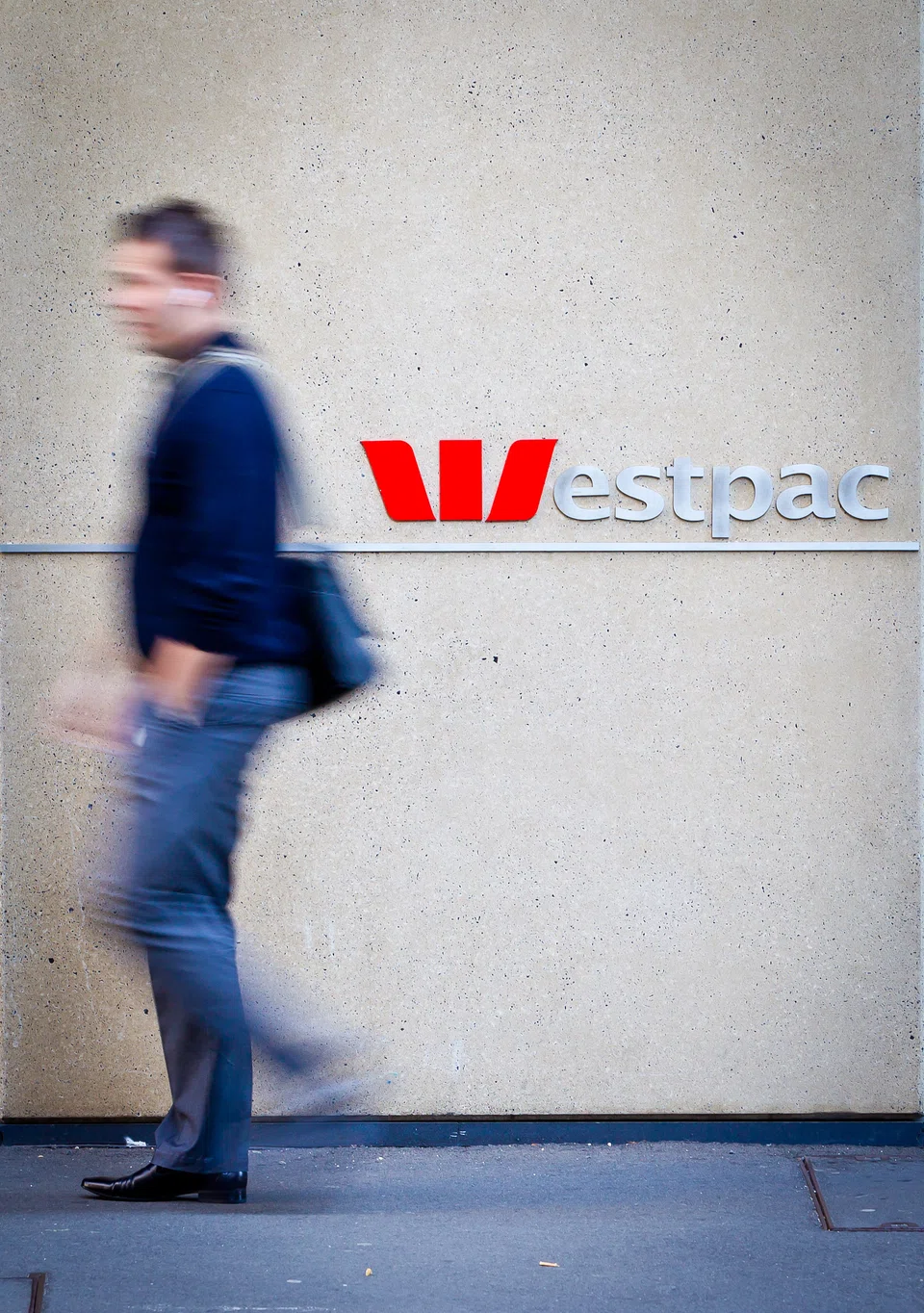
DeeperDive is a beta AI feature. Refer to full articles for the facts.
[SYDNEY] Australia's Westpac Banking Corp on Wednesday clamped down on mortgage lending to non-residents, becoming the third major domestic bank to take the step after regulators raised concerns on such lending.
The bank and its subsidiaries will no longer accept mortgage applications from non-residents, foreign self-employed applicants and from temporary visa holders living overseas, it said in a statement.
Australia's regulators are seeking to control the steep jump in property prices in big cities and address concerns about lax lending standards as competition to increase the loan book intensifies.
The move comes at a time when Chinese banks are muscling into Australia by financing property and corporate investments, invoking a warning from regulators that rapid expansion by foreign lenders is a potential systemic threat.
The changes are likely to hurt real estate developers specially those focusing on Chinese buyers, one of the biggest buyers of Australian property.
Westpac has also reduced the loan-to-value ratio for domestic applicants with foreign incomes to 70 per cent of the loan from 80 per cent earlier.
Navigate Asia in
a new global order
Get the insights delivered to your inbox.
Its actions follow similar moves by top mortgage lender Commonwealth Bank of Australia and ANZ Banking Group over the past month. "We have strengthened our policies regarding non-residents lending and foreign income, which represent a very small component of our loan book," a Westpac spokeswoman said.
REUTERS
Share with us your feedback on BT's products and services
TRENDING NOW

Shelving S$5 billion office redevelopment plan proved ‘wise’ as geopolitical risks mount: OCBC chairman

Eurokars Group introduces rental car franchises Enterprise Rent-A-Car, National Car Rental, and Alamo to Singapore
20 photos that show how dramatically Singapore has changed in two decades
Singapore’s key exports up 15.3% in March from electronics surge, exceeding forecasts

