

Hospitality S-Reits set to continue ‘stellar’ run but at slower pace
Navene Elangovan
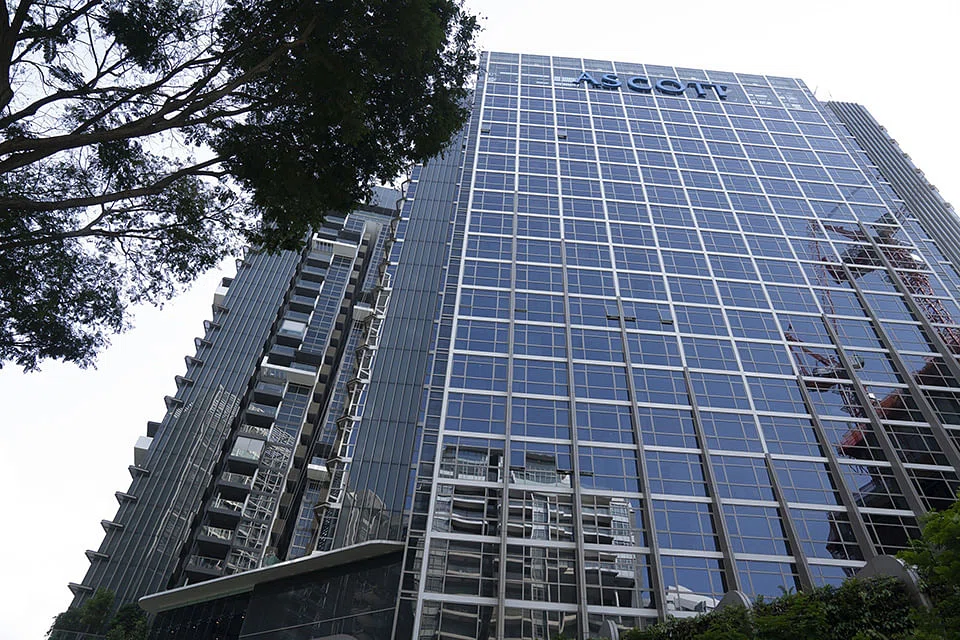
HOSPITALITY focused Singapore-listed real estate investment trusts (S-Reits) have had a good run in the last year, outperforming S-Reits from other sub-sectors such as retail and healthcare.
The five hospitality trusts listed on the Singapore Exchange (SGX) recorded, on average, 21 per cent year-on-year growth in their distribution per unit (DPU) for FY2023.
For example, ARA US Hospitality Trust declared a distribution per stapled security (DPS) of 3.43 US cents for FY2023, up 12.3 per cent from FY2022. Similarly, CapitaLand Ascott Trust increased its FY2023 DPS by 16 per cent year-on-year to 6.57 Singapore cents.
Comparatively, more than three-quarters of the trusts that disclosed their distribution growth figures in their latest earnings reports posted year-on-year declines for the financial period ended December 2023.
Analysts said they expect hospitality S-Reits to continue their strong run, with global travel continuing to grow and S-Reits here acquiring new hotels to increase their revenue.
However, growth of these Reits are likely to be at a slower pace for FY2024, with one analyst estimating distribution growth at a single-digit level, given that they will not be growing from a low base as was the case shortly after the pandemic.
Hospitality Reits’ ‘stellar’ run
Professor Sing Tien Foo from the National University of Singapore’s department of real estate described hospitality Reits’ distribution growth as “stellar”.
“The strong recovery in tourism and the easing of cross-border travel, coupled with the hosting of major events, such as Grand Prix F1, have significantly increased hotel demand,” he said.
The revenue per available room (RevPAR) has also seen a steady recovery, with some hotels exceeding pre-Covid levels, he added.
Carmen Lee, who heads OCBC’s investment research arm, added that the stronger operating performance of hospitality S-Reits “more than offset” the higher financing costs and foreign exchange headwinds.
Room to grow, but at slower pace
While hospitality S-Reits will continue to grow in FY2024, they are unlikely to hit the peaks seen in the previous financial year, say analysts.
Darren Chan, a senior research analyst from Phillip Securities Research, expects year-on-year growth in the DPU of hospitality stocks to fall to single-digits in 2024, following the 21 per cent jump last year.
“We think the growth in hospitality Reits will start to slow in 2024 from the high base in 2023, which saw strong RevPAR growth across most geographies,” said Chan.
However, mega concerts and meetings, incentives, conferences, and exhibitions (Mice) in Singapore will contribute to a positive year-on-year RevPAR growth in the first half of FY2024, he added.
Similarly, Lee of OCBC said that the 30-day visa-free travel arrangement between Singapore and China, which kicked in last month, will boost demand for hospitality here.
However, growth in the coming year is unlikely to mirror that of the previous year as they will not be growing from the low base seen in the post-pandemic period between 2020 and 2022, she added.
Prof Sing was also of the view that hospitality Reits still had room to grow. He noted that hotel occupancy rates still remain below pre-Covid levels, indicating that there is still room to expand the capacity of major hotels.
Some S-Reits have also expanded aggressively by acquiring new hotels overseas to further increase their revenue, he added.
However, he noted that hospitality Reits may not be able to capture the short-term surge in the demand in the hospitality sector given that it takes time to develop new hotels.
Factors that could dampen hospitality Reit performance
Analysts also flagged other factors that could affect the growth of hospitality S-Reits.
The strong Singapore dollar could reduce the DPU of some hospitality S-Reits with overseas assets after currency conversion, said Prof Sing.
Other factors could also increase the operational expenses of hospitality Reits, said analysts. For instance, a shortage of labour could lead to higher costs, while continued high interest rates increase borrowing costs as well, they added.
On a broader level, an economic slowdown which could dampen travel and geopolitical tensions could affect the performance of hospitality S-Reits.
TRENDING NOW

Philippine power giant First Gen rebuffs foreign offers, plans up to US$2.6 billion in expansion

Cliff Tan has 7 million followers and a 4-month waitlist. Why won’t he expand his business?

Could stablecoins be the future of money?

From finance aspirant to Asean CEO: TUV SUD’s Jonas Strahberger on finding people who believe in you

