

Sinking under the weight of its own ambition
 Add BT as a preferred source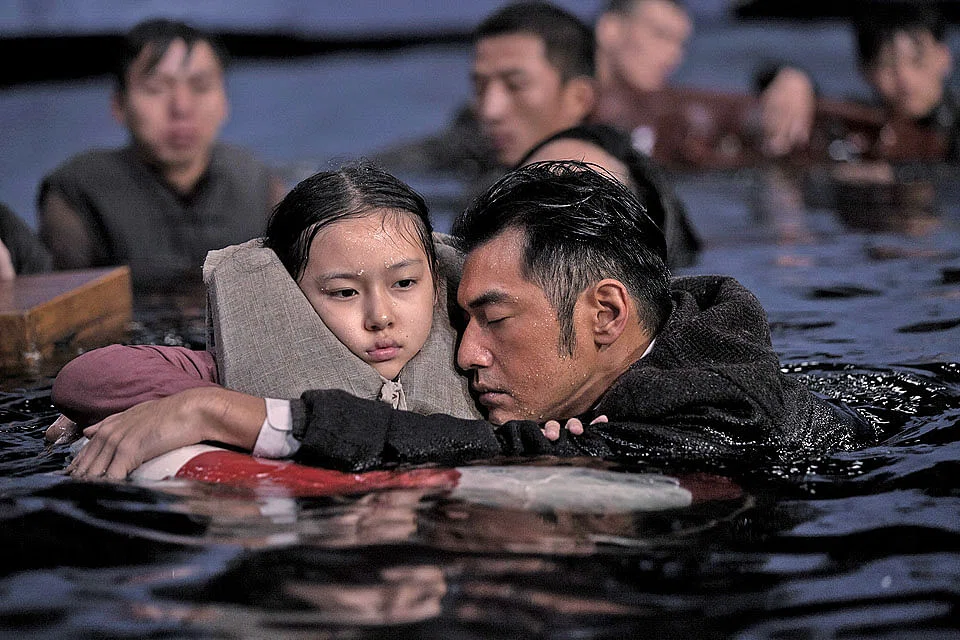
DeeperDive is a beta AI feature. Refer to full articles for the facts.
IN The Crossing II, director John Woo finally depicts the actual event - the real-life sinking of a passenger ship during the tumultuous final days of the Chinese Civil War - that The Crossing (Part One), released in December 2014, merely alluded to. Unfortunately, it hasn't been worth the wait.
The earlier film, heavy on melodrama but a lightweight in every other respect, introduced three couples whose destinies converge aboard that ship. Part Two brings their stories to a conclusion, resolving a few issues along the way - such as who gets to live. Helpful hint: the film has been labelled "The Chinese Titanic" for good reason.
Anyone who has watched Titanic - and even those who haven't - will be unimpressed by Woo's disaster/romance epic, which tries to incorporate the lives of ordinary people into the broad sweep of history - a la classics like Doctor Zhivago. There's just too much going on and in an attempt to cover the dramatic bases, the film - like the ship - sinks under all that weight.
Copyright SPH Media. All rights reserved.
TRENDING NOW

From 1MDB to ‘corporate mafia’: Is Malaysia facing a new governance test?

Higher costs, lower returns: Why are Singaporeans still betting on real estate?

South-east Asian markets account for 8.8% of global capital inflows from 2021 to 2024: report

Richard Eu on how core values, customers keep Singapore’s TCM chain Eu Yan Sang relevant

