A little turbulence in a Vietnamese teacup? Or a Haiphong hurricane?
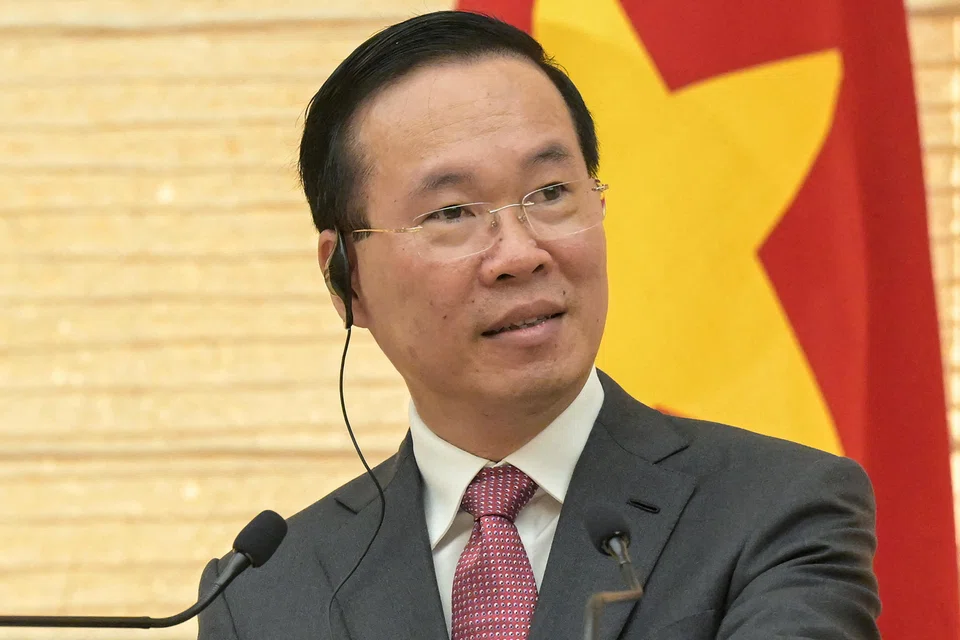
THE premature resignation of Vietnam’s president Vo Van Thuong this month after just a year in office could be read in two ways – as a signpost of escalating political instability, or as a widening reform of the troubled economic system.
The 53-year-old Thuong – once considered a blazing star and protege of the Communist Party chief Nguyen Phu Trong – was dismissed by the ruling Communist Party for wrongdoing. The state-run media stated that Thuong’s “violations and flaws have negatively affected public perception, as well as the reputation of the party and the state”.
It is alarming that Thuong is the second president in two years to resign from the largely ceremonial position in a political system where party chief Trong holds the most powerful post. Thuong’s predecessor Nguyen Xuan Phuc was forced out from the post last year for “violations and wrongdoing”, after holding the presidential office for less than two years. Both the presidents saw their downfall under a wide anti-corruption campaign.