Wooing FDI into Singapore
Recalibrated tax incentives still have a vital role to play in keeping the Republic buoyant as a global investment destination
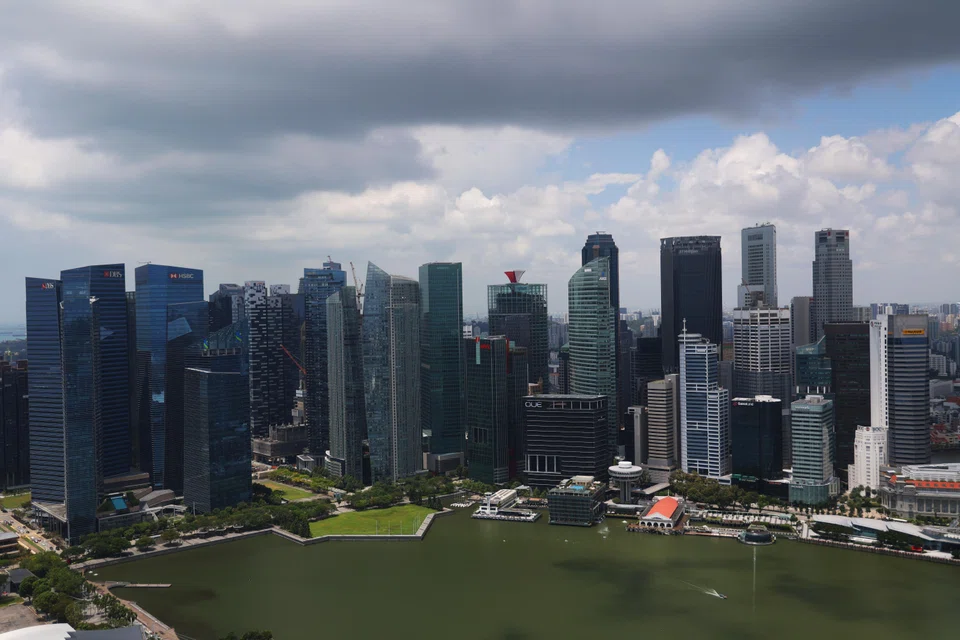
SINGAPORE has long been an attractive environment for multinational enterprises. The country’s strategic geographic location, political stability and ready availability of talent are just some of its strengths. Inspired, from its earliest days of independence, to build a model of prosperity from scratch, the government has fashioned a wide-ranging toolkit of incentives – from tax concessions and enhanced deductions to grants and subsidies – to drive foreign direct investment (FDI) into target growth sectors.
Ahead of the Singapore Budget 2024, longstanding policies may now require careful recalibration as the Singapore government moves to implement the Organisation for Economic Co-operation and Development’s (OECD) Base Erosion and Profit Shifting Pillar Two initiative.
Even as the city-state joins a global movement to compel multinational enterprises to pay their fair share of tax, our message is that recalibrated tax incentives still have a vital role to play in keeping Singapore buoyant as a global investment destination, especially to spur growth areas such as sustainability, advanced manufacturing and innovation through artificial intelligence (AI).