

Singapore corporate tax regime: What's ahead?
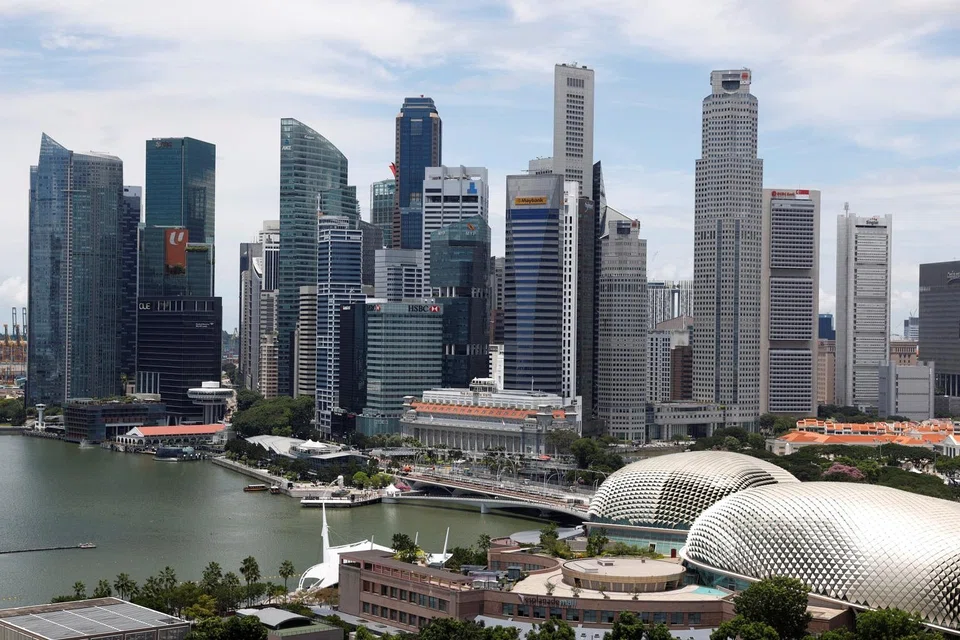
GEOPOLITICAL uncertainties and protracted trade tensions over the past year, coupled with the devastating impact the Covid-19 situation has had on the global economy, have no doubt challenged businesses in Singapore. The Singapore economy is now projected to contract by between one and 4 per cent this year.
The three Singapore Budgets in 2020 (that is, the Unity, Resilience and Solidarity Budgets) offer support for companies to tide over the short-term pressures while keeping in focus the bigger picture of unifying the people and pressing on with the country's transformation journey. As companies try to find new ways to tackle the pandemic and limit disruptions to businesses and supply chains, they must not lose sight of the looming international tax changes that could majorly affect multinational enterprises.
Going forward, what are the upcoming developments that may impact Singapore's corporate tax regime?
Responding to BEPS 2.0
In the last couple of years, the Organisation for Economic Co-operation and Development (OECD) has been spearheading the Base Erosion and Profit Shifting (BEPS) initiative.
Notwithstanding the Covid-19 situation, the OECD is pushing ahead with ambitious developments that seek to address the tax challenges in the digitalisation of the economy (commonly known as the BEPS 2.0 project).
The scope of BEPS 2.0 project is not limited to the digital economy but includes corporates that operate cross-border in more than one jurisdiction. Many global multinational enterprises, including Singapore corporates operating in foreign markets, could fall within the ambit of BEPS 2.0.
BEPS 2.0 drastically overhauls the international tax system. Numerous changes have been proposed and counter-proposed, but two major tenets stand out.
Firstly, there is an extremely strong shift beyond the arm's length principle, which is the traditional method of allocating profits of a multinational group across different jurisdictions. Secondly, BEPS 2.0 seeks to impose a minimum effective tax on multinationals wherever they operate.
These two principles in tandem can significantly impact corporate financials leading to a higher effective tax burden, which may in turn influence corporate behaviour. If implemented, it is likely that Singapore will have to make changes to its corporate tax regime to align with international standards.
A possible fundamental change is the introduction of a formula-based apportionment method to allocate profits of an entity across markets where customers are located. This would be the case whether or not the entity has a presence in the relevant markets.
Such a concept is completely new to Singapore as this would mean subjecting profits to income tax in a jurisdiction as long as customers are located there. Our current source rules generally look at the location where business operations are undertaken. Our income tax laws may have to be amended to cater for this.
The introduction of the foregoing apportionment method will be revolutionary and may require businesses to discharge more compliance obligations. Group effective tax rates may increase if the customers are located in high tax jurisdictions and there may also be more disputes between taxing jurisdictions and corporates, which could lead to higher propensity for the same profit to be taxed multiple times. Given the relatively small size of the Singapore consumer market in general, it is likely that such an apportionment will lead to a net outflow of tax revenue.
With the expected increase in tax controversy as countries seek to protect and even expand their tax base, changes may be needed on dispute management between corporate taxpayers and the local tax authorities - that is, the Inland Revenue Authority of Singapore (IRAS), as well as between the IRAS and competent authorities in other jurisdictions.
Introducing new rules
As for the second pillar of imposing a minimum effective tax on a multinational's global group profits, more changes to the tax system will be needed. Under the proposal, the group profits of a multinational will need to be taxed at a minimum effective tax rate. Otherwise, jurisdictions are free to invoke rules to increase the relevant tax base and collect more tax revenue.
The current Singapore tax regime (unlike many other jurisdictions that tax income on a worldwide basis) is not adapted to address the above. Singapore currently adopts a quasi-territorial basis of taxation where only Singapore-sourced income and foreign-sourced income received in Singapore are subject to tax. It is therefore likely that Singapore will have to introduce new rules. For example, the government may consider granting corporates the option to subject their non-Singapore-sourced income to Singapore tax even where the income may not have been received in Singapore.
It will also be important to evaluate how the minimum effective tax rules will interact with Singapore's current incentive tax regimes. The Singapore government will need to rethink corporate tax policy objectives once these external factors influencing the domestic tax regime are in place.
The impact to the global economy caused by the Covid-19 situation has caused many governments around the world to introduce economic stimulus measures. These measures require significant funding and we expect that governments will seek to meet these funding requirements through more aggressive tax-collection efforts, including but not limited to the foregoing BEPS 2.0 developments (or through unilateral introduction of taxes on digital transactions).
If these international tax developments become minimum international standards, Singapore may not have a practical choice in deciding whether to align its tax policy to these international standards, which may lead to an increase in overall corporate tax liability of Singapore corporate groups.
The implementation of these externally driven tax changes will need to be balanced with the needs of the country as well as the corporates given the global headwinds in the economy.
Stability has always been one of Singapore's strong economic features, and the stability of the country's corporate tax regime has played an important role in positioning it as an attractive global hub for businesses.
The BEPS 2.0 project and the extremely challenging economic environment are arguably twin forces that may spur the government to review Singapore's corporate tax regime from a holistic perspective and make bold but necessary changes that will protect the Republic's tax base as well as maintain the country's competitiveness.
The key is in finding the right mix and balance to align the tax regime with global standards while meeting the needs of businesses.
TRENDING NOW

He built the Vingroup empire. Now South-east Asia’s richest man is handing some key roles to his sons
32 companies, 6 individuals bag accolades at Singapore Corporate Awards 2026
Can a first-time homebuyer couple earning S$18,000 a month afford a new EC unit?

Floods compound Philippine growth woes from public-works scandal

