COMMENTARY

‘Buy now, pay later’ is not dead

Key players have retreated, but BNPL remains a growth engine in large marketplaces

Claudia Chong
Claudia Chong

Published Mon, Mar 25, 2024 · 05:00 AM
    • Indonesian tech company GoTo is preparing to launch a BNPL product with social media platform TikTok.
    • Indonesian tech company GoTo is preparing to launch a BNPL product with social media platform TikTok. REUTERS

    TWO of the region’s largest e-commerce players are doubling down on “buy now, pay later” (BNPL) services, even as this short-term financing product undergoes a reckoning.

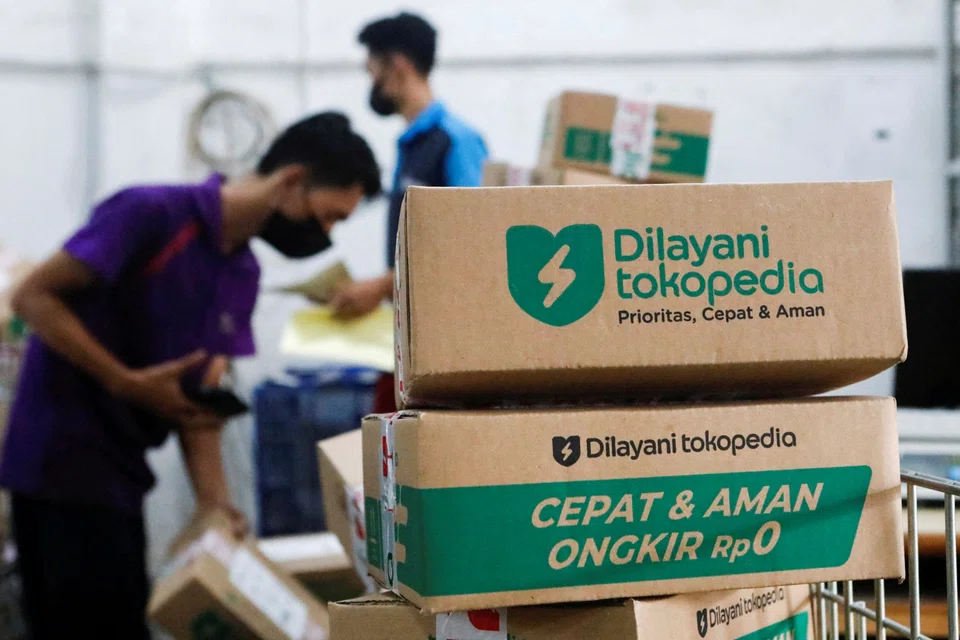
    Indonesian tech company GoTo said on Mar 19 it is preparing to launch a BNPL product with social media platform TikTok, months after it struck a deal to merge its e-commerce unit Tokopedia with TikTok Shop.

    Do these two companies know something about the sector that other players don’t?

    BNPL players are faltering, throwing the relevance of the service into question. Yet, a select few operators of large marketplaces could find value in ramping up the offering within their ecosystems.

    Diverging paths

    Billed as one of the hottest opportunities during the pandemic-induced tech boom, BNPL has lost its lustre.

    Singapore startup Pace filed to wind up its business in August 2023, even after it acquired the assets of competitor Rely to increase its market share. Australia-listed BNPL player Zip exited the Singapore market the same year.

    Customer rewards platform ShopBack in March discontinued its service PayLater, which it had launched after acquiring BNPL player Hoolah in November 2021.

    Word on the street was that Hoolah was running out of cash before ShopBack bought the startup. As the economy soured, dampened consumer demand and the persistently high cost of funds meant even ShopBack could not keep it alive for much longer.

    Even amid this turmoil, however, TikTok was planning to use BNPL to incentivise purchasing behaviour by letting users pay for their orders over a few months instead of upfront, and typically with zero interest.

    Last July, TikTok announced a partnership with fintech startup Atome to offer instalment payment options on its e-commerce platform in Malaysia.

    TikTok’s collaboration with Indonesia appears to be a continuation of that strategy, and rival platforms are doing the same.

    GoTo Financial head Thomas Husted said the fintech unit wants to be the preferred partner of TikTok Shop, the e-commerce arm of the popular social media app. At the same time, GoTo is planning to deepen its consumer loan offerings on its own app.

    Sea’s e-commerce arm Shopee plans to expand its BNPL service to all users, while raising the credit limit of existing users. The company made the decision after finding that younger customers – aged 32 years and below – often abandoned their shopping carts because the items were above their budgets.

    Shopee also plans to offer its BNPL service to physical stores, through merchants that already operate an online shop on Shopee.

    Marketplace opportunity

    Will a BNPL offering as part of an e-commerce marketplace be more viable than a standalone one?

    Sea does not break down the financials for its financial services business, making it difficult to gauge how much consumer lending has contributed to its growth. The numbers that are available, however, paint a positive picture.

    As at Dec 31, 2023, outstanding loans to consumers and small and medium enterprises were up 27 per cent to US$3.1 billion.

    Revenue from the fintech segment, while small relative to total revenue, was up 44 per cent in 2023 – more than any other segment.

    BNPL expansion is not a strategy that works for every marketplace operator, though.

    Indonesia’s Bukalapak gave up offering pay-later loans in February, demonstrating that it takes more than just a captive audience to succeed.

    Indonesian consumers may lack access to credit, but they also have a great deal of choice. BNPL service providers also need to be operators of marketplaces with large transaction volumes and recurring users.

    BNPL works best if users already have a high propensity for spending on the platform, and are tempted by incentives to increase their basket sizes.

    The size of the marketplace also matters because processing massive volumes of transactions every day gives operators more visibility into credit risk. Platforms could also channel certain users to other types of higher-margin cash loans.

    TikTok’s foray into BNPL may be particularly potent. It has a captive audience of young consumers who use the app daily – the perfect demographic for BNPL, which targets Gen Zs and millennials who value flexibility and do not always tap traditional credit.

    Though TikTok Shop is a new entrant to South-east Asian e-commerce, it has already taken market share from incumbents. It may not be long before it becomes a challenger in the fintech arena as well, seeing that the biggest e-commerce players have always evolved along this path.

    A BNPL service may just be the first step. The product is often the easiest entry into financial services, given that it is uncomplicated and largely unregulated in South-east Asia. TikTok’s operations in the region may become more valuable as its fate in the US grows more uncertain.

    As for pure-play BNPL providers without an ecosystem, the clock is ticking. A number of companies are attempting to diversify into more sophisticated forms of financial services, such as digital banking.

    These players need a good grasp of how to navigate a tricky market where it is up against the listed tech majors, or risk never making it to the finish line.