

What Singapore's ageing population could mean for the property market
Some short- and long-term trends that could emerge.

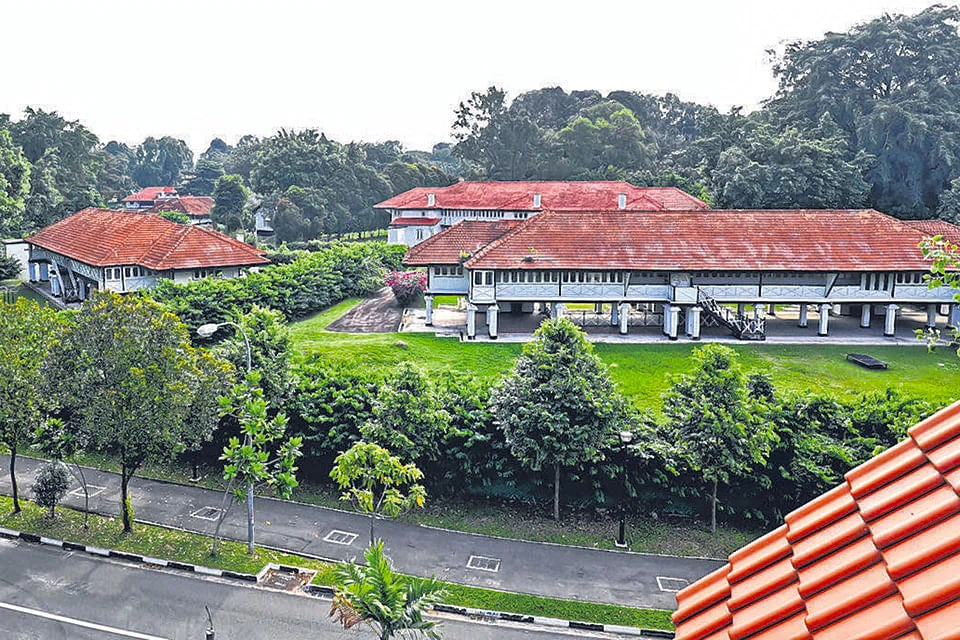
WHEN a government tender closed last year for a sprawling site along Gibraltar Crescent in Sembawang near Singapore's northern coast for a proposed dementia care village, it drew just one bid, S$15 million. While the concept proposal was acceptable to the authorities, the bid price was deemed too low - resulting in the tender for the 30-year leasehold site not being awarded.
"Perhaps this shows the difficulty of paying full upfront land price for a project that relies on long-term revenue," says JLL Singapore's senior director of research and consultancy, Ong Teck Hui. That the concept had been put out on the market was an acknowledgement that Singapore's rapidly ageing population is throwing up new needs in real estate.
Official data show the percentage of the resident population here that is 65 years and above has risen steadily from 7.2 per cent in 2000 to 9 per cent in 2010 and hit 15.2 per cent in 2020.
An ageing population will create both challenges and opportunities for the Singapore property market. It may also mean breaking away from current models, including on how land price has to be paid.
One immediate effect of an ageing population will be increased demand for privately developed projects for assisted/care facilities to augment initiatives by the public sector. But for these enterprises to take off, they cannot afford to be burdened with high upfront land cost. A possible solution may be to take a leaf out of JTC Corporation's book.
When JTC allocates land to industrialists, they have a choice to pay either an upfront lump sum land price for, say, a 30-year lease term, or a monthly land rent over that period. The option of paying land rent - also known as ground rent - helps to ease cashflow for businesses.
Similarly, when it comes to providing affordable long-term care facilities to a wider spectrum of the elderly, says Mr Ong, "the conventional develop-and-sell model for typical Government Land Sales private residential sites which is oriented towards profit maximisation and drives up land prices, is unlikely to work".
"Instead, a develop-and-operate model would be more appropriate and more ideally based on a low upfront land price cum ground rent or a purely ground rent model for, say, a 30-year leasehold tenure with an option to renew for a further 30 years.
"Such a model could keep costs manageable and provide affordable accommodation and care for elderly residents."
While developing structured care facilities will be vital for seniors with serious health and mobility issues, there will also be opportunities to cater to those in better health by providing meaningful and enriching lifestyles in their golden years.
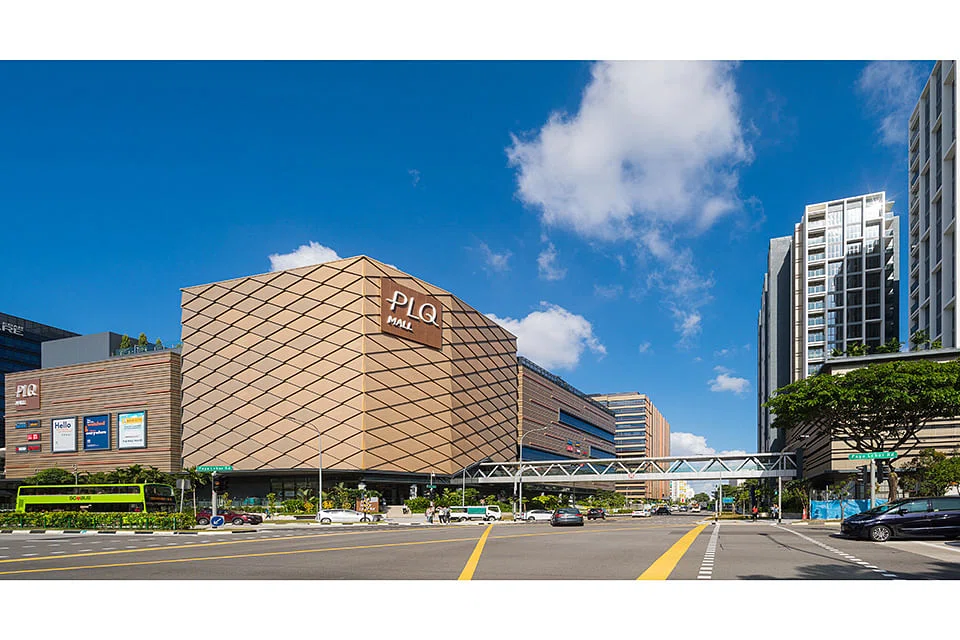
These could include residing within an integrated mixed-use development containing apartments, a mall, some healthcare facilities and perhaps even some office space.
JLL Singapore's research and consultancy head Tay Huey Ying notes that among the manyfold benefits of mixed developments are that they can provide easy and seamless access to conveniences and amenities to facilitate seniors ageing in place.
Property consultant Desmond Sim suggests that while those in the high net-worth segment will have access to private healthcare and other facilities to keep them physically and mentally engaged, for the mass market, there will be a need for large mixed-use developments or even precincts to cater to such needs.
For example, a mixed development could include activity-based offerings such as a cooking school or a gym. These may also create a source of employment for some seniors. Healthcare and aided-living services in mixed developments would also be useful, says Mr Sim.
From changing retail to co-living
Malls and retail amenities will also evolve to cater to the needs of an ageing population.
Veteran property consultant Ong Choon Fah, chief executive of Edmund Tie & Co, predicts that suburban malls will thrive as an older population is likely to focus on essentials and one-stop convenience rather than high-street shopping.
"Proximity to their homes, especially if they are in an integrated development, will transform the mall into their third place - after their home and, if they are still working, their workplace - where they can hang out with their friends (for example, at the food court or other F&B outlets) or just be among people when they feel lonely."
Smaller retail formats offering essential services will also appeal to seniors who do not like to be in large malls where there are more people and they may get lost. "Village type of retail formats offering 'one-stop' essential services will also enable community support for the elderly and help to look out for them," says Ms Ong.
There will also be a range of living formats and arrangements for seniors to choose from.
Some may seek comfort in numbers, by teaming up with a relative, friend or like-minded person to either rent or buy a property together. Or they could buy their respective properties within the same development or in close proximity to one another.
Savills Singapore executive director Alan Cheong, however, suggests that "seniors should be given more opportunities to mix with the younger cohorts - to break away from a tendency to group think and hold repeated conversations on inconsequential topics".
"In short, do not let the seniors congregate."
He suggests co-living.
Though typically associated with young expats and millennials, Mr Cheong thinks that co-living could also catch on among seniors. "It would be better for the seniors to lease out their larger homes and then arbitrage by renting a cheaper room in a co-living facility.
"With the young around, seniors would feel livelier; moreover, able assistance is always close by should the aged need help."
As ET & Co's Ms Ong says: "Indeed, it takes a village to raise a child - and to take care of the elderly." In similar vein, Mr Sim says: "Instead of tucking away the seniors, we should continue to provide them with the right lifestyle activities, possibly integrated with their grandchildren."
One possibility would be to explore ways to accommodate elders with their younger family members.
"It would not be surprising to see an increase in demand for dual-key homes - akin to having a granny flat within a family residence - as we see more multi-generation families living together," says Mr Sim. "Anecdotally, there have been some cases of landed properties being redesigned to allow multi-generation families to live under the same roof, with elderly parents occupying the ground floor due to mobility issues and their married child's own family living upstairs," he adds.
There have also been instances of empty nesters swapping their landed home with their married child's condo unit. Ms Ong says such arrangements make sense as the child is likely to need more space with the growing family while the parents will prefer more manageable space; and both continue to own their respective assets.
"In addition, both parents and child will have fond memories of their family home where the children grow up in, strengthening the collective memories."
Senior downgraders
Another trend that is already happening and likely to gain momentum as Singapore's population ages, is that of empty nesters who downgrade from a private property to a resale Housing and Development Board (HDB) flat.
"Flush with cash, these senior downgraders may drive up the value of HDB resale flats. This in turn helps these HDB dwellers to upgrade to private condos and may help support asset prices," says Savills' Mr Cheong. He highlights that the number of Singapore residents aged 50-69 years living in private residential properties has more than doubled, from about 79,200 in 2000 to 211,200 in 2020. This figure can be expected to increase further in the next decade.
"For the middle to upper-middle income groups, they may have the predilection to migrate down the housing order to not only smaller private apartments, but possibly even HDB flats," notes Mr Cheong. Another offshoot of this trend is that downgraders stand to get endowed with equity to not only buy a replacement home for themselves but also pass some of the residual amount to their children, who may use it to acquire more private properties, he adds.
Ms Ong of ET & Co details some of the other advantages for seniors to downgrade to a public housing resale flat. "Some of these seniors are able and willing to pay a premium for a resale HDB flat that appeals to them, for example, one near a park where they can go for nature walks or exercises. When renovated, making them senior-friendly at the same time, these HDB flats can be very attractive."
It is also relatively hassle-free living, with town councils taking care of estate management issues. Conservancy charges for HDB flats are also lower compared with condos, especially older condos where maintenance fees tend to increase due to the need for more repairs and upgrades.
"Moreover, many government subsidies are pegged to housing types and HDB owners tend to benefit more compared with those owning private housing. This may result in higher price growth for some HDB resale flats - especially those in better locations," says Ms Ong.
Footloose millennials
On the flip side of the ageing population coin is a smaller proportion of younger people in the population pyramid. This, too, may have implications for the property market.
The older generation of Singaporeans seem to love buying property. Will footloose, millennial global citizens be more open to renting, instead of buying, a home?
Ms Ong thinks this is likely as global citizens seek opportunities and experiences. "However, some may still buy for investment and as a back-up plan should they return to Singapore sometime in the future." Moreover, "the desire to own a roof over one's head - where no one can boot you out - is a fundamental need to most people as it gives one a great sense of security".
Says JLL's Mr Ong, who is a father of three young working adults: "Renting a home by singles or couples before marriage who prefer to be independent, is not uncommon; but at some point, Singaporeans are likely to end up buying a property since Central Provident Fund savings can be used for housing purchases, instead of continually incurring a cash outflow for rental payments."
In the past, residential property buyers have been rewarded with good long-term capital appreciation. "Due to this, many people still buy private homes with the same expectations of attractive capital appreciation.
"However as the market matures and the cooling measures remain in force, capital appreciation of private homes has slowed significantly in the last decade," he adds.
Between the fourth quarter of 2010 and Q4 2020, private home prices in Singapore rose only 12.8 per cent, based on the Urban Redevelopment Authority's index. This is much lower than the 46.7 per cent gain recorded from Q4 2000 to Q4 2010, while the 10 years before that saw prices surge 135.5 per cent.
"If the trend of moderating capital appreciation continues, it remains to be seen whether there could be a shift in thinking by property buyers - whether some HDB residents would continue living in their HDB flats instead of upgrading to private homes and whether some investors would explore investment in other property sectors besides residential, overseas property markets or other non-real estate investments," says Mr Ong.
Who knows if the younger generation may increasingly hold the view that excessive property buying is not good for the environment?
Acknowledging this, Mr Ong says: "There is an increasing awareness on the negative impact of property development on the environment... While people recognise the need for land to be developed for housing or other uses, they have begun to express concern over environmental impact, which is a positive development, as society adopts a more holistic perspective on balancing growth and development with safeguarding the environment and quality of life."
There may be hope yet that Singaporeans will have a more healthy relationship with property.
Ultimately, "properties are not proper ties", as spiritual teacher Sathya Sai Baba used to say.
TRENDING NOW

Knight Frank’s Tan Tee Khoon leaves firm, Nicholas Keong takes over auction business

Keppel Energy, Sembcorp Utilities and Tuas Power to supply biomethane in pilot project

GovTech retrenches another 38 staff in second round of layoffs
Take-up of new private homes dives 45% in Q3 as prices accelerate with 1.4% rise

