

Ong Keng Sen returns to Sifa to challenge Salome myth
Women, power and politics are explored in a radical reimagining of the femme fatale

Helmi Yusof
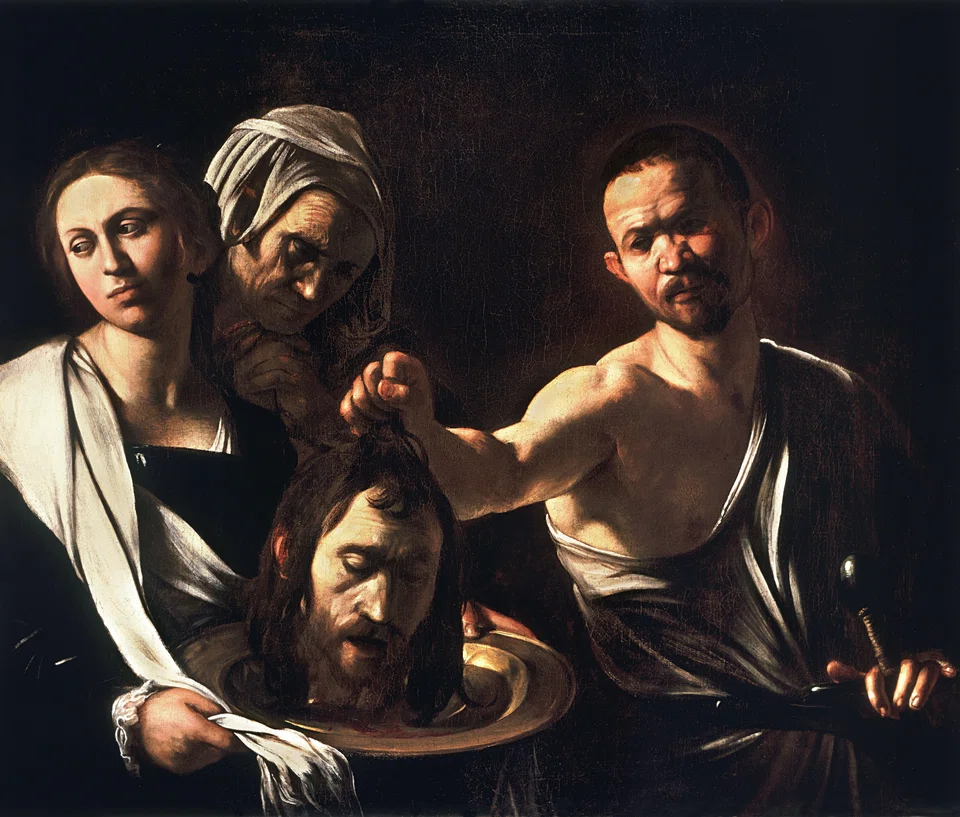
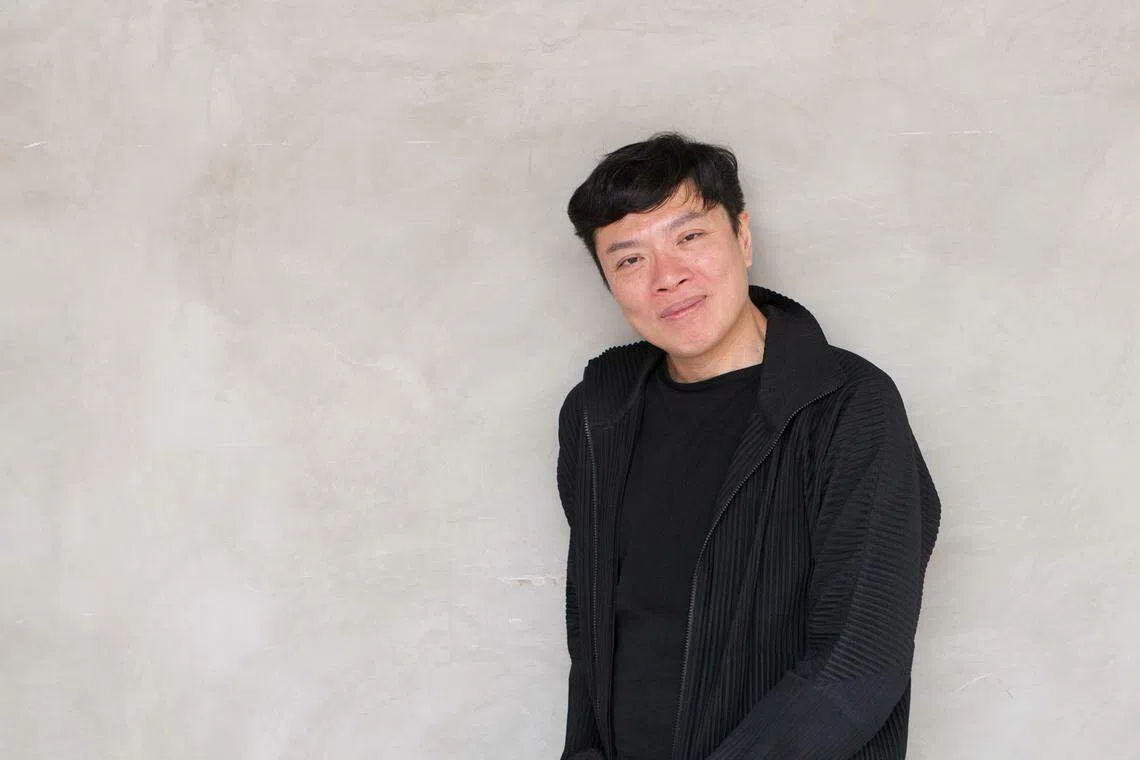
FIVE years since stepping down as festival director of Singapore International Festival of Arts (Sifa), Ong Keng Sen is returning as an artist with a new work titled project SALOME.
It is based on the scandalous 1st-century story of Salome, a young woman who spurns the incestuous advances of her powerful stepfather Herod Antipas, the Tetrarch of Judea – only to use her beauty and charm later to persuade him to behead the holy man she loves but cannot have.
Herod carries out Salome’s request because he is smitten with her. He orders his executioner to decapitate the man, Jokanaan, and serve his head to her on a platter – a grotesque image that’s inspired thousands of artworks over the centuries. In some versions of the story, Salome even plants a necrophilic kiss on the severed head, making her doubly monstrous.
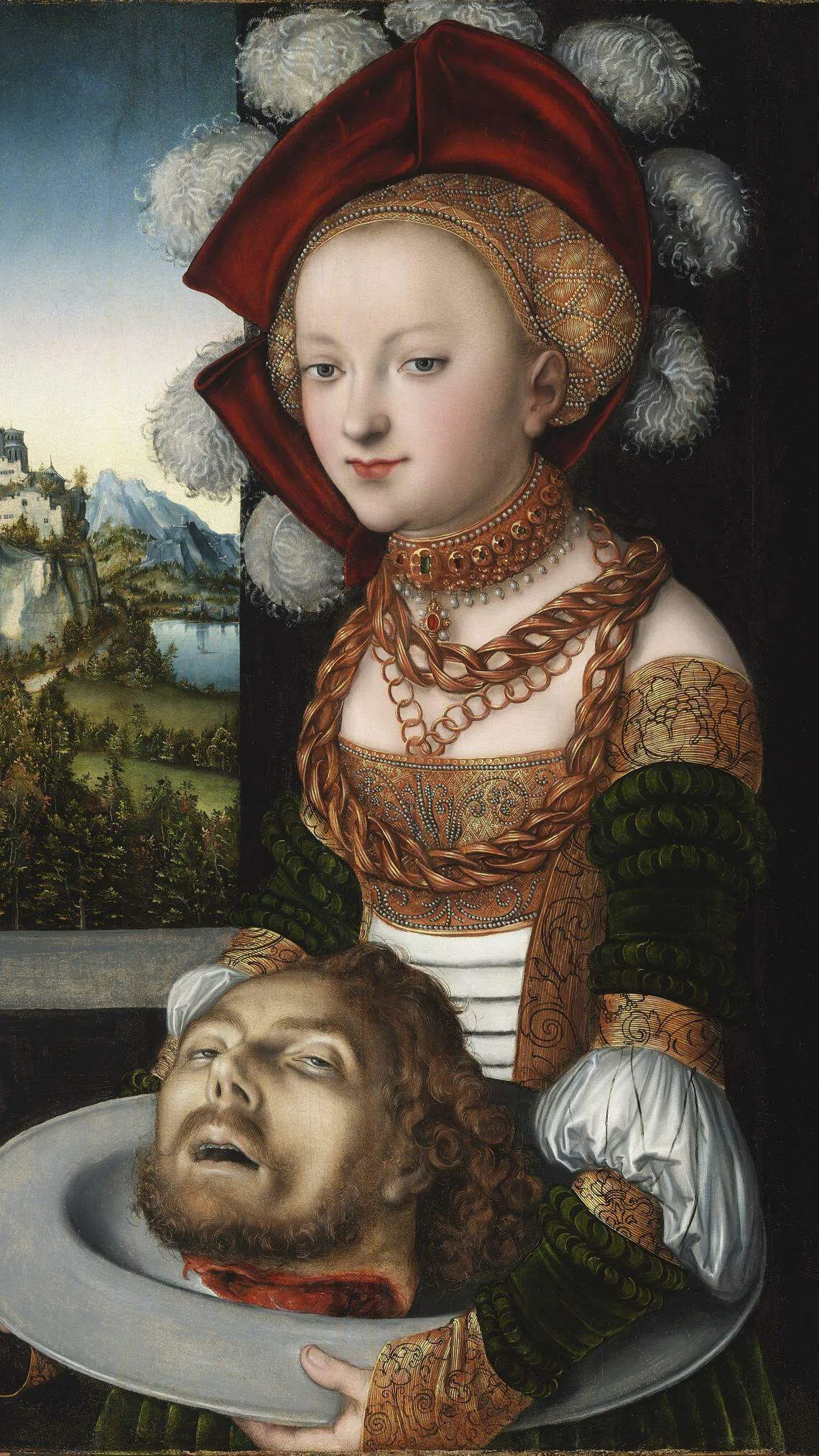
Ong joins the ranks of many artists before him who have been fascinated and perplexed by Salome, a woman of intense passions and conflicting impulses. She’s been immortalised by painters such as Titian, Caravaggio, Lucas Cranach, Gustave Moreau and Klimt. She’s been the subject of books, plays and operas by Flaubert, Huysmans, Richard Strauss and others. Oscar Wilde’s eponymous 1891 play is widely studied and performed.
But Ong being Ong isn’t interested in a straight retelling of the story. He says: “All the old versions of Salome struggled with the story’s misogyny. In classic world literature, we often see stories of women framed as an evil spirit out to destroy the man. In kabuki, there is the classic story of Musume Dojoji, about a woman serpent who falls in love with a monk and tries to destroy him because he won’t love her. The patriarchy frames women in a certain way.”
THREE-IN-ONE TALE
With project SALOME, Ong wants to reframe the question of whether Salome is a villain, victim or victor. “Salome is a person with no power, forced to accept the advances of her stepfather who is more powerful than her. In order to save herself, she tries to transform her powerless position into one with some power, so that she can actually start to dialogue with the world.”
project SALOME explores her position in three stories instead of one: The first story is performed on stage by actress Janice Koh – or, more accurately, the head of Koh – the rest of her body will not be visible to the audience. Ong took inspiration from the limestone bust of Egyptian queen Nefertiti, a popular attraction at the Neues Museum in Berlin, where he spent much of his time during the pandemic.
“Nefertiti’s head speaks to us from a time and space long ago – just like the head of Medusa with snakes twirling in her hair. Women’s heads are frequently aestheticised as high art or made out to be objects of horror. There is no in-between… So I thought, instead of making Jokanaan’s decapitated head a feature of the story, I could have Salome’s head on stage to speak for herself and tell her own story. I want to shift the focus from the heroic man to the scorned woman.”
The second story is told via live stage projections as well as on social media. The currently active Instagram account @thesalomecomplex features a fictitious top-ranked tennis player Seah Loh Mei (also played by Koh) whose life unravels publicly when her secret relationship with an influential man sours. Ong says he was inspired by the MeToo revolution that saw women taking to social media to expose powerful men who use their positions to pressure women into sexual relationships.

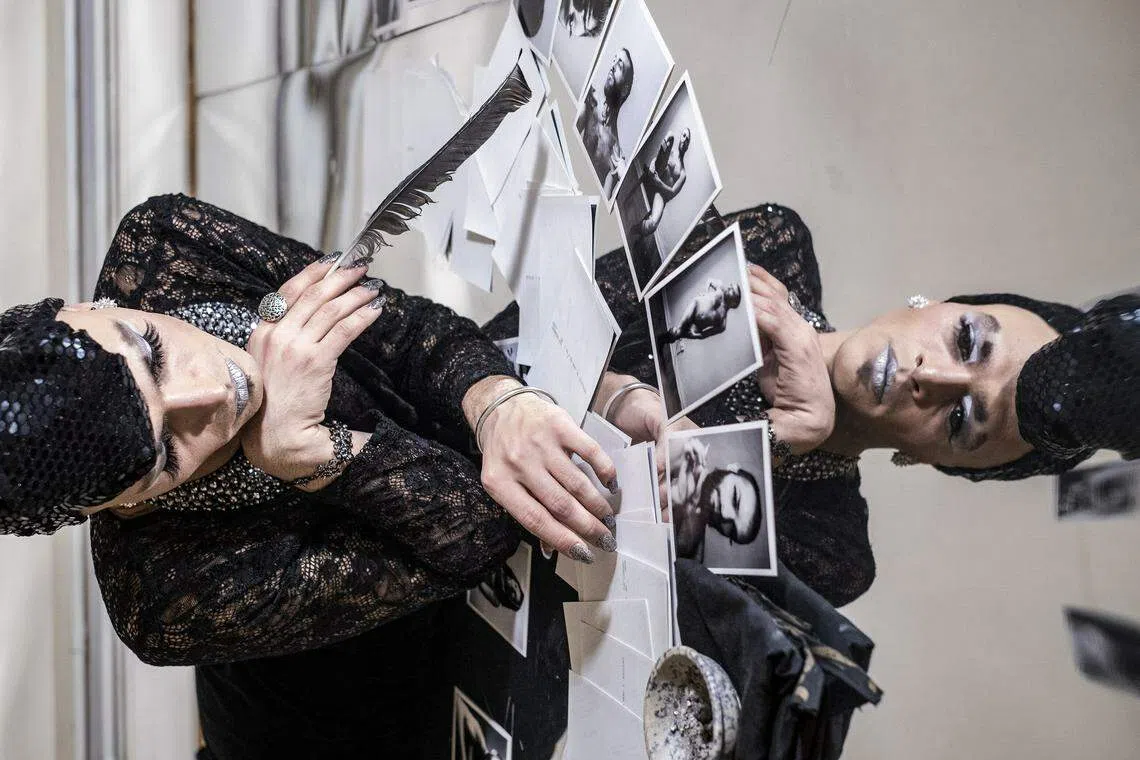
The third story is even more complex: Filmed in Ong’s apartment in Berlin during the pandemic, it centres on real-life interdisciplinary artist Michael(a) Daoud who came to Germany from the Middle East as an asylum seeker. (Daoud identifies as queer and uses the pronoun “they/them”.)
Like Salome, Daoud was not in control of their fate when they were forced to leave their country to make a home elsewhere. But by transforming themselves into a queer artist, they’ve been able to find their voice, reclaim their selfhood and shape their narrative.
“From the positionality of an asylum seeker with no power in Berlin, Michael(a) has chosen to survive by shedding their old self and embracing their new self, using their queer positionality to make art and transcend their powerless status.”
METOO & SALOME
As always, Ong looks to the contemporary landscape to reinterpret classic stories: “MeToo and the queering of gender identities have allowed for a more complex and ambivalent understanding of sexuality today. And to me, Salome has always carried some of that ambivalence. She’s a rupture in terms of gender and sexuality; she’s a kind of a fulcrum to look at society and its prevailing standards. And now that we’re seeing the shedding of the old world that had long imprisoned certain segments of society, it’s a good time to reconsider Salome’s story in today’s context.
“I want to show that Salome’s story is not just a story from 2,000 years ago – that it could be a story from today. I want to show that Salome’s story could be your story.”
project SALOME debuts at the Singapore International Festival of Arts on May 27 and 28. Tickets from sifa.sg
Decoding Asia newsletter: your guide to navigating Asia in a new global order. Sign up here to get Decoding Asia newsletter. Delivered to your inbox. Free.
Copyright SPH Media. All rights reserved.
TRENDING NOW
Far East Organization’s The Serra Residences sells less than a quarter of units released at average S$3,460 psf

Once staunchly pro-China, Malaysian Chinese businesses are now distancing themselves from Beijing
Ageing in Asia: Huge potential for the consumer economy

DBS, OCBC, UOB face rate hike reality check

