

Robo-advisers want to be more than a one-trick pony
Robo-advisers leveraged tech and easy passive investing to bring customers on board. Now they are reaching for new markets as they strategise for growth

Benjamin Cher

INVESTING today feels quick and painless – a few clicks, and access to a bewildering array of funds, equities and bonds opens up. Paralysed by uncertainty? Robo-advisers are on hand to shape a portfolio based on your risk appetite and themes.
Personal investing has taken on an automated twist ever since robo-advisers arrived in Singapore in 2016.
Riding a wave of growing preference for passive investing, these platforms came on the scene bearing set portfolios that offered exposure to different markets and themes, at a fraction of the cost of individually buying across multiple funds. Even portfolio rebalancing is passive, automated to prevent concentration of allocations.
And investors have continued to favour passive products. Passive funds’ ownership of the US stock market had, for the first time, overtaken that of active funds at the end of 2021, said the Investment Company Institute.
Passive funds accounted for 16 per cent of the US stock market, while active funds accounted for 14 per cent.
Zhi-Ying Barry, a senior analyst at Forrester, notes the increased interest in Singapore too: “Forrester’s data shows that in Singapore, 50 per cent of online consumers said that they are very interested in automated investment managers compared to 70 per cent in China.”
At least two of Singapore’s three robo-advisers have crossed the US$1 billion assets under management (AUM) threshold: Stashaway in January 2021, four years after its inception. And Endowus on an undisclosed date.
For Endowus, it crossed S$1 billion in July 2021, and its AUM doubled in just over two years to S$2 billion in August 2022, and doubled again in October 2022 after acquiring Hong Kong wealth manager Carret Private to US$4 billion. (*see amendment note)
Early market growth was kickstarted with adoption by digitally mature consumers drawn to the ease of use of the investing platforms. But competition has heightened as customers seek fresh and more sophisticated products, and the robos wrangle among themselves for market share.
While Endowus, Stashaway and Syfe have gained ground against traditional financial institutions, banks and brokerages have now also brought their financial services online in their bids for more business.
The venture capital-backed investment platforms are now arming themselves with expanded repertoires. All are widening their retail range to include build-your-own portfolios and fractionalised equities or funds, and reaching for the high-net-worth market with private equity and venture capital fund investments for accredited investors.
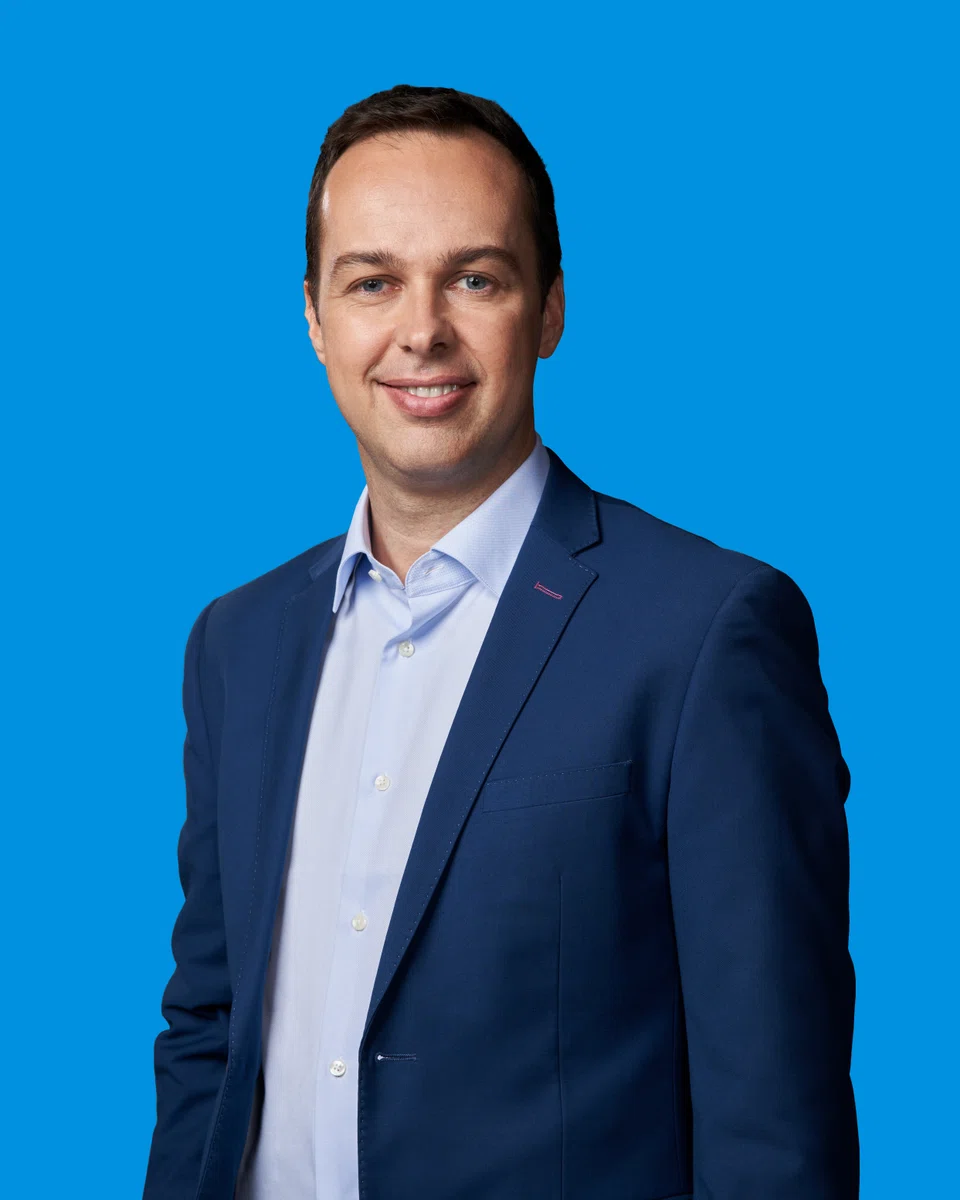
“In fact, our legal entity name is Asia Wealth Platform, before we conceived the brand Stashaway,” says chief executive and co-founder Michele Ferrario.
Endowus similarly has brand name investors Lightspeed and Softbank backing it, with the latest funding round raising US$21.8 million. Syfe’s investors include Valar Fund and Unbound Partners, with the latest funding round raising US$29.9 million.
What investors want
Educating the market has been key to growing the customer base, with the companies investing in webinars, newsletters and articles pushed to users to help them understand how their money is being invested.
There’s also the assurance of the human touch, as all robo-advisers have financial advisers on staff for users to consult with.
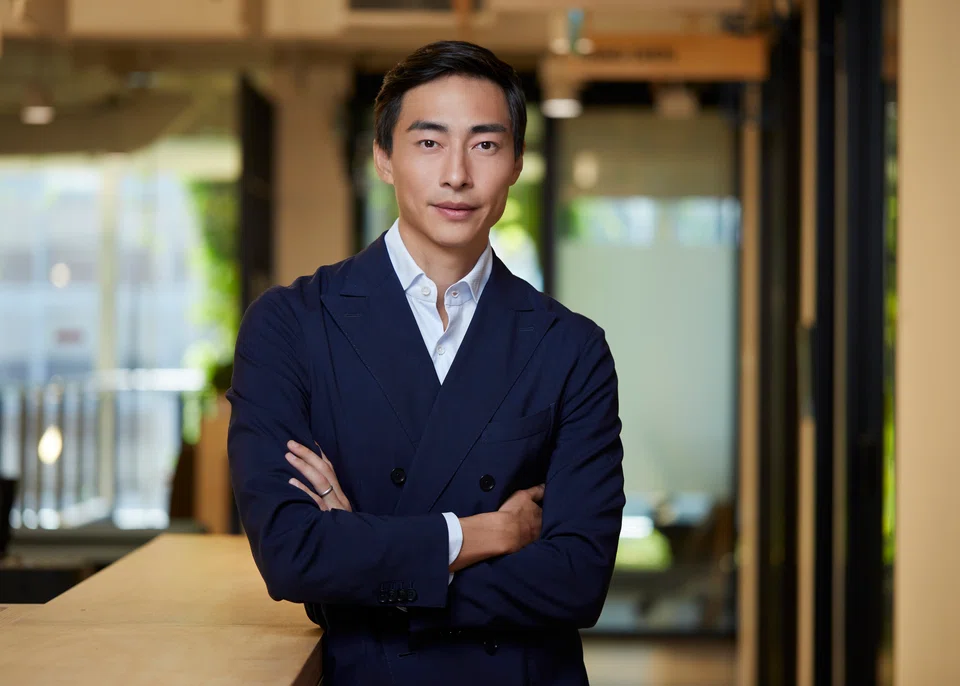
“It requires an alignment to our investment philosophy – that’s why we have spent a large amount of resources educating and helping people understand what is actually happening to their money, rather than just saying, ‘Hey you should buy this’,” says Gregory Van, chief executive officer and co-founder of Endowus.
“A conscious decision should be made by the end-client.”

Putting new products on the platform is not a technology issue, say the robo-advisers. But product diversification has been about listening to what users want and giving them access.
Investors’ needs evolve as they move through different phases in their lives.
For instance, someone starting out in their investing journey may want to lean on the expertise of a robo-adviser’s investment team and invest in a portfolio built by them. But someone who has progressed further along might want to look for a thematic portfolio, or even build their own.
“Increasingly, clients want to marry their own perspective with those of the asset manager,” says Stashaway’s Ferrario.
Stashaway recently started offering Blackrock model portfolios in September 2022 as part of its expanded range.
Meanwhile, Endowus is taking the approach of curating and personalising financial products for customers, working with fund managers such as Pimco to launch Singapore dollar hedged products.
The firm was also the first among the robo-advisers to launch Central Provident Fund (CPF) investing, with users able to link up their CPF accounts to invest with Endowus.
“We’re not trying to provide access to every stock, bond and option out there,” said Endowus’ Van.
Syfe has taken a slightly different path, securing a capital markets licence from the Monetary Authority of Singapore (MAS) and starting a neo-brokerage in December 2021.
Users can buy shares of Singapore-listed companies and fractions of a share of any US-listed stocks.
This direction was partially driven by Syfe’s fractionalisation engine, as well as customer requests.
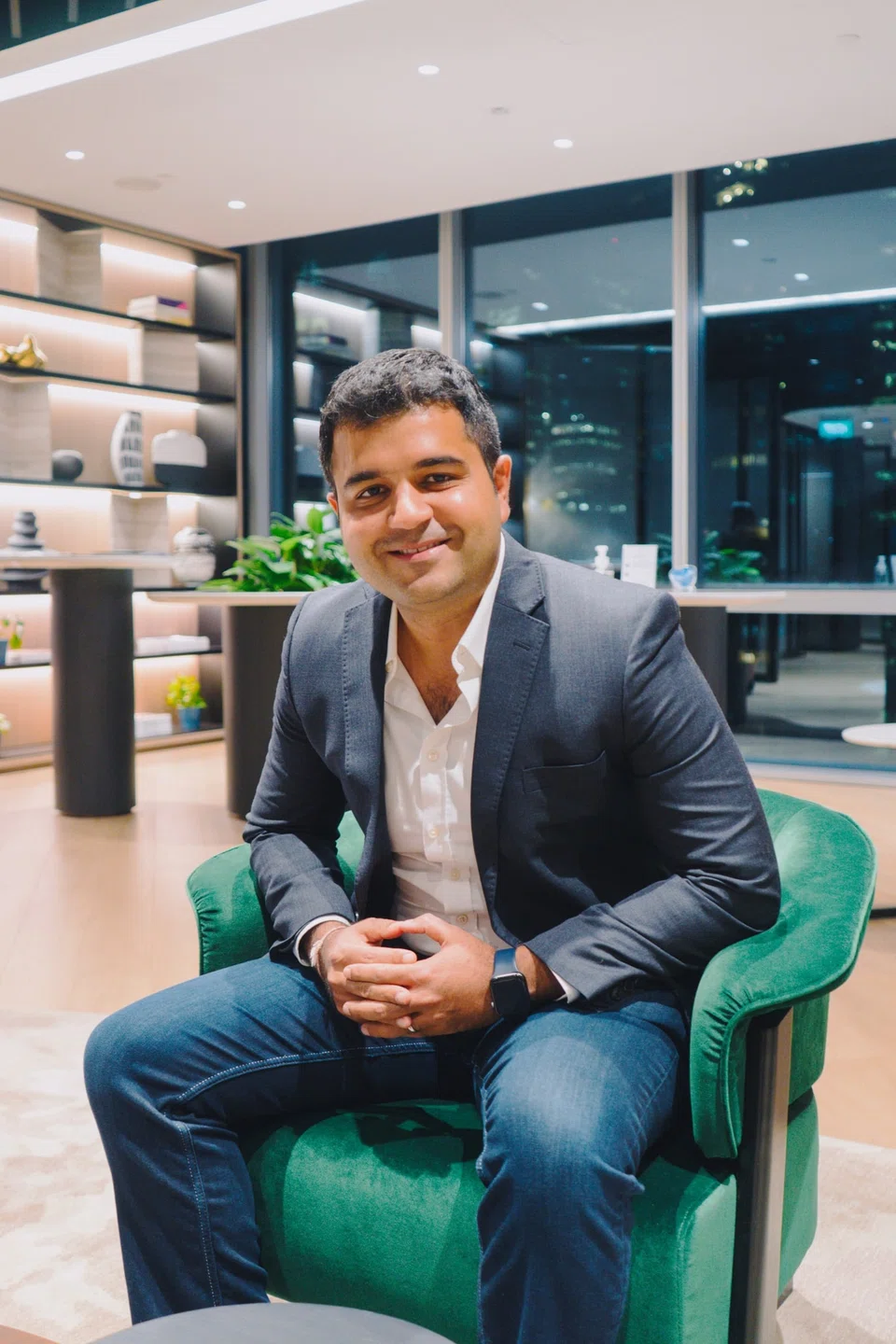
“From our angle, if you are holistically managing wealth, there will be a component of people who will manage their own portfolio. There are people who I know who are active only on the brokerage side and some that don’t want to do anything on the brokerage,” says Dhruv Arora, founder and chief executive officer of Syfe.
Aside from the retail market, there is the mass affluent segment, or accredited investors who have enough assets to cross the threshold but not enough to warrant more attention and personalised service from private banks.
“You do have access to a wealth adviser who is not incentivised to sell you products. You don’t have to speak to them, but if you want to you can,” says Ferrario.
This segment is one that all robo-advisers are also dialling in on, each of them offering their own bespoke solutions for the wealthy. Stashaway claims that the increasing number of high-net-worth individuals (HNWIs) opening accounts with them resulted in the launch of Stashaway Reserve, their accredited investor business.
The move is part of growing with the customer base, says Willy Chang, associate partner at Bain.
“In the early stage for robo-advisers, they tended to target new retail investors – and as this segment starts to make more money, you want to keep them and grow along with them,” says Chang.

Products available to this tier of customers include access to private equity and venture capital funds, and even a taste of angel investing with Stashaway’s tie-up with angel investment network, XA Network.
Financial advisers are also available to tailor portfolios and financial products for this set of customers.
“For them to get that quality service, it’s extremely tough. If you go with that kind of money to the big banks, they won’t really cater to you or (might) shove at you products you might not need,” says Syfe’s Arora.
In their element
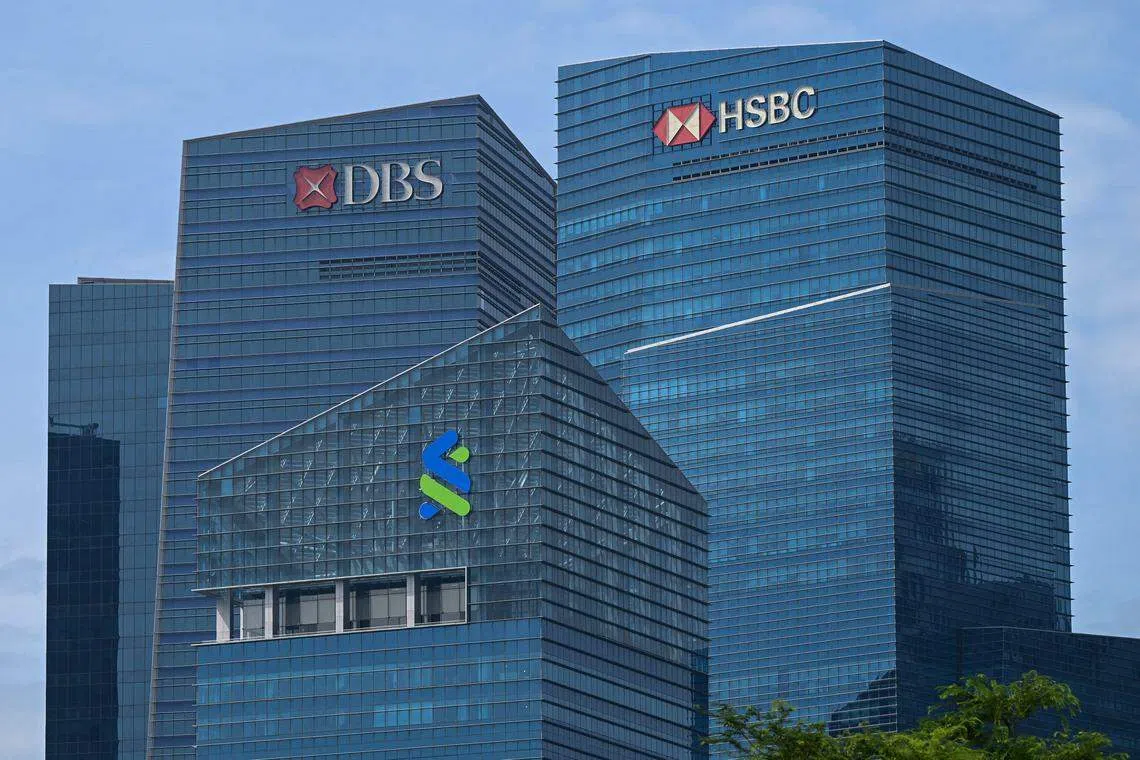
While banks in Singapore have increasingly digitised their offerings and are catching up with the disruptors, all three robo-advisers are confident that they can do a better job than banks at investing their customers’ monies.
“Historically, banks are driven by a human sales model, where the alignment between the salesperson and customer is not the same,” says Syfe’s Arora.
That was the main reason why Ferrario started Stashaway, after unhappy experiences with his relationship managers who seemed more interested in selling more of the same, and more of the bank’s products, than working with his needs.
The business model too is different, as banks’ income stream from financial products doesn’t just come from fees.
“But it’s very hard to change, if you have a lot of non-fee-only income streams,” says Endowus’ Van.
While robo-advisers might be carving out their share from the traditional banking market, it is unlikely that they will follow the trail of fintechs into the digital banking space. Running a private bank that specialises in wealth management requires a whole different undertaking, where their technology platform might not be an advantage.
“If you’re a private bank, your customer base wants their dedicated relationship manager,” says Bain’s Chang. “The cost structure would be very different, unless we believe that the ultra-HNWIs are happy with a virtual chatbot.”
Their expertise in passive investing can be a differentiating factor, says Vishal Kaushik, expert associate partner at McKinsey.
“(Their investment expertise) needs to be clearly articulated in the value proposition – that strategic and tactical allocation is in line with customer risk profile and goals, which can be translated into model portfolios for seamless execution,” he says.
Kaushik also notes that the steady inroads made into the high-net-worth investor segment and family offices by robo-advisers will require the platforms to invest in more advisory support.
Even as incumbents close the digital gap, the market still has space for robo-advisers to grow while in competition with traditional financial institutions and each other. MAS statistics show that about S$965.5 billion still sits within deposit accounts in banks. Crossing the US$1 billion AUM mark is barely scratching the surface.
Meanwhile, the investment platforms are making a play for the larger markets outside Singapore.
Stashaway moved into the United Arab Emirates in November 2020, Hong Kong in April 2021 and Thailand in September 2021. Endowus entered Hong Kong in July 2022, and acquired wealth manager Carret Private as part of its push into the market this year. Syfe launched its platform in Hong Kong in May 2022, and in Australia in August 2022.
Robo-advisers require not just digital penetration, but a population that has enough disposable income to invest as well – which makes markets such as Hong Kong an attractive proposition for them.
“There are countries in the region with a high level of digital penetration but they have minimal investment inclusion,” says Mckinsey’s Kaushik.
With investment AUM in South-east Asia set to surge from US$39 billion in 2022 to US$92 billion in 2025, and even further to US$530 billion in 2030, according to the e-Conomy Report 2022 by Bain, Temasek and Google, there is still much opportunity for robo-advisers.
“It’s still super early days for the entire industry,” says Endowus’ Van.
*Amendment note: A previous version of this story incorrectly stated that Endowus crossed the US$1 billion AUM mark in July 2021.
TRENDING NOW

Britain’s mansion tax shows the difficulty of targeting wealth

Once staunchly pro-China, Malaysian Chinese businesses are now distancing themselves from Beijing

The only common thing in S-E Asia is that we all eat rice: Cisco’s Asean president

Singapore data centre operator DayOne opts for US IPO at likely US$20 billion valuation

