Why ‘resilience’ is the watch word of 2022
 Add BT as a preferred source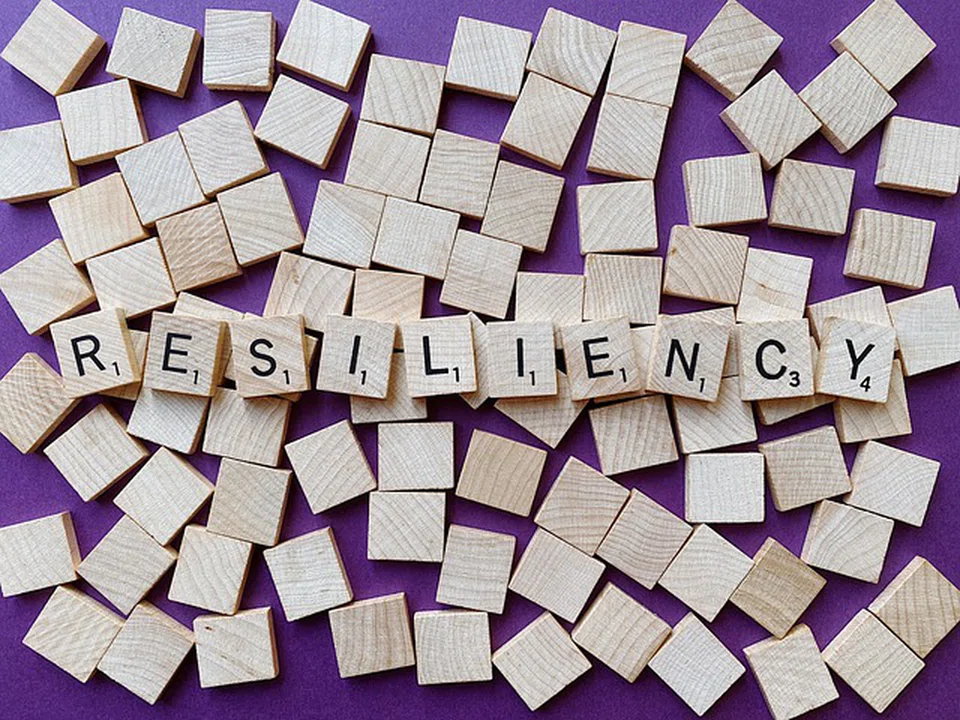
THE fairly young 21st century has already seen a succession of disparate international crises, from the 9/11 attacks in 2001, to the 2007/08 global financial crisis, and the ongoing coronavirus pandemic. What links these different events is that they all have highlighted that greater resilience is badly needed to mitigate the huge uncertainty of contemporary hazards.
This has been a key topic at this year’s G7 and G20 meetings hosted by Germany and Indonesia respectively. Alongside sustainable economic recovery from the effects of the pandemic, the agenda has included focus – in the aftermath of Russia’s invasion of Ukraine – on the best way to strengthen financial stability and resilience of national economies to cope with future crises.
The concept of resilience, of course, is not new. It was, at least in part, from the experience of World War II that we derived supranational institutions such as the United Nations and the European Union, international monetary mechanisms, and a resolve that it would never happen again. A resistance to the possibility of global war recurring was embedded in our institutions and way of thinking.