

Empowering the unseen eco-warriors of South-east Asia
Informal waste workers in the region need more money, better equipment and more support
Russell Marino Soh
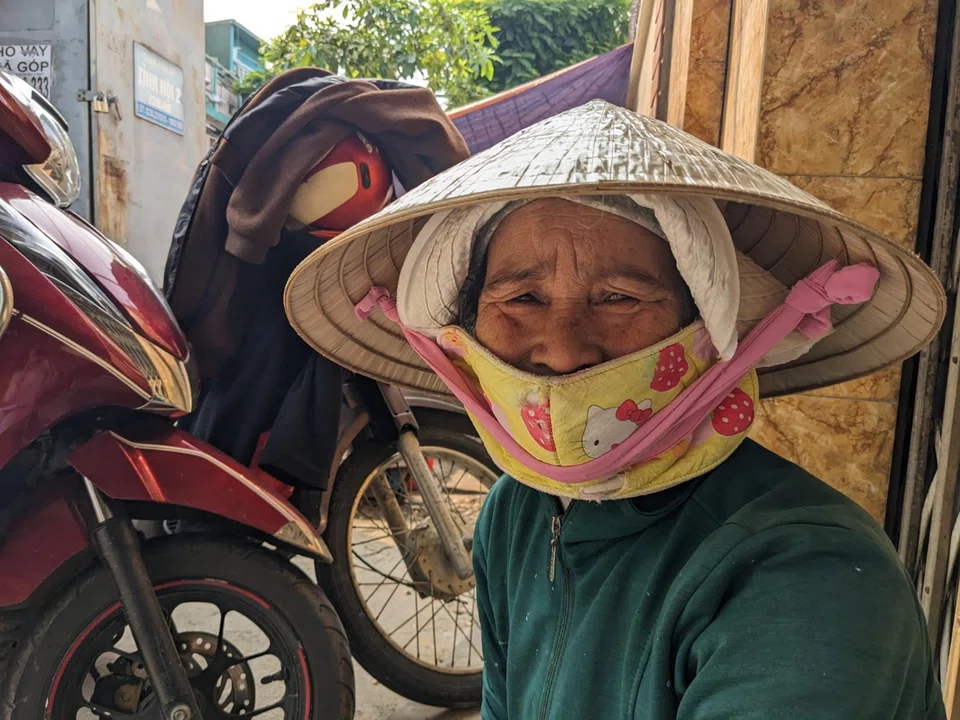
THEY are mobilised before dawn.
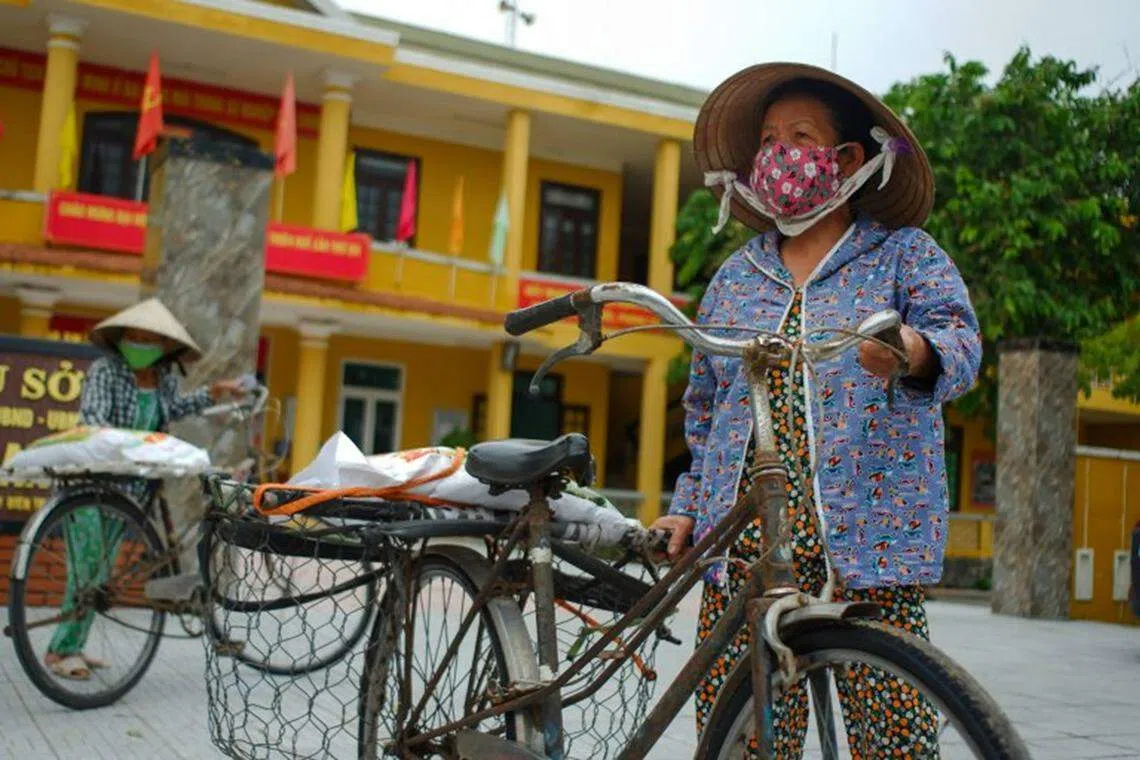
Found across South-east Asia, this army’s weapons consist of bags and baskets. Protective gear might include broad straw hats and cloth face masks. There are no tanks or transport vehicles – only bicycles or their own two feet.
This contingent, ill-equipped as it is, may well be the elite fighting force needed to win the war on waste, and efforts are underway to give it the tools to succeed.
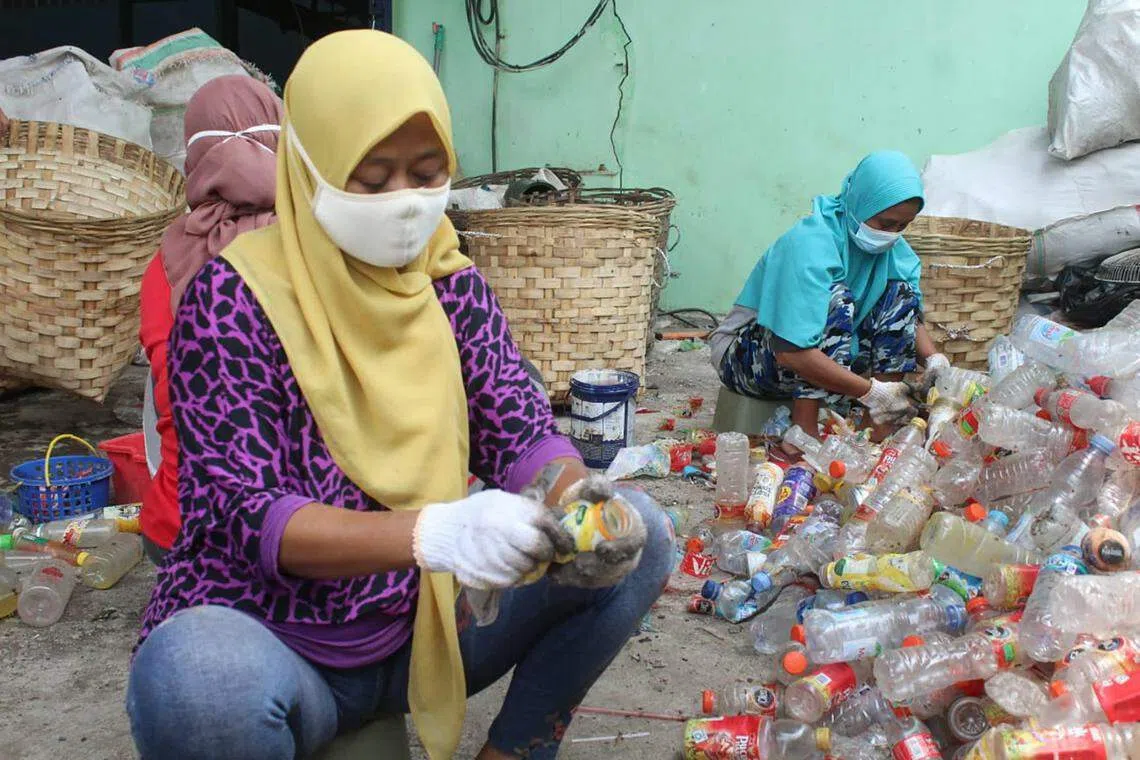
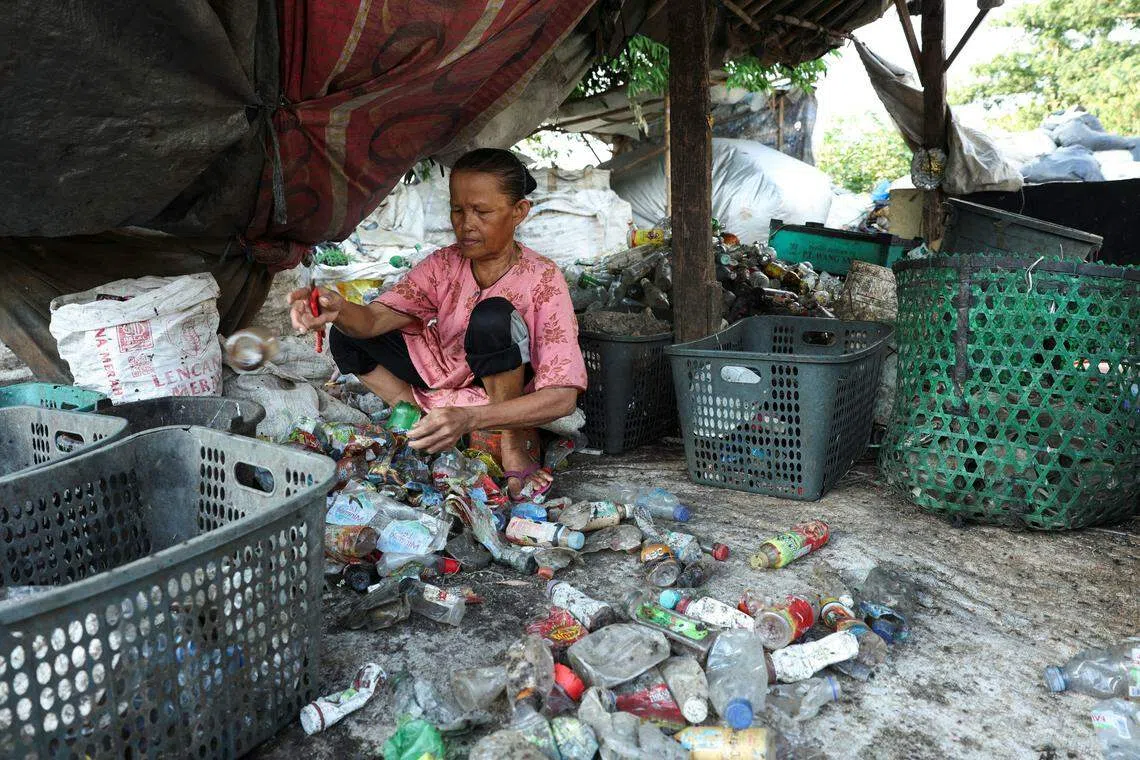
South-east Asia is home to hundreds of thousands of informal waste workers (IWWs). They collect and sort recyclables outside homes, below office towers and in landfills; then sell these to consolidators and aggregators, who send the waste on to be recycled.
Ocean Conservancy, a climate non-profit, said IWWs in developing countries “collect virtually all the waste in urban low-income neighbourhoods and rural areas”.
Yet, despite their critical role in South-east Asia’s waste ecosystem, IWWs face unstable incomes, social discrimination, and poor protections.
“The word ‘informal’ indicates it all,” says Laura Benns, director of programmes at SecondMuse. “There’s a real lack of recognition and rights for these workers.”

SecondMuse runs a range of programmes aimed at creating impact, including programmes to support the growth of plastic waste-related startups.
It joins a growing number of institutions – governments, corporates and non-governmental organisations (NGOs) – looking to make the informal sector a key piece of the recycling puzzle.
Another is the Singapore-based Alliance to End Plastic Waste (AEPW), which funds and supports efforts to develop, deploy and scale solutions to reduce plastic pollution.
The alliance’s members include consumer goods company Procter & Gamble as well as energy groups Shell and TotalEnergies.
Other consumer brands that have entered the space include The Coca-Cola Company, PepsiCo and Ikea, which have put funding towards initiatives to improve IWWs’ well-being through organisations such as Ocean Conservancy.
The issue of income
The most urgent issue these players need to address is the normalisation of a sufficient, stable and secure income for IWWs.
Recycled plastic pellets from South-east Asia trade anywhere from US$600 to US$1,000 per tonne depending on the material type and quality, which makes for very thin margins.
IWWs sit at the early stage of the supply chain, which means they receive very little of this already small sum.
The prices of recyclable feedstock that IWWs collect are also cyclical, says Allison Lim, vice-president for corporate affairs at AEPW.
“(IWWs) are on the receiving end of these price fluctuations; the consolidators… will pay these informal-sector workers (based on) what they can get on the market.”

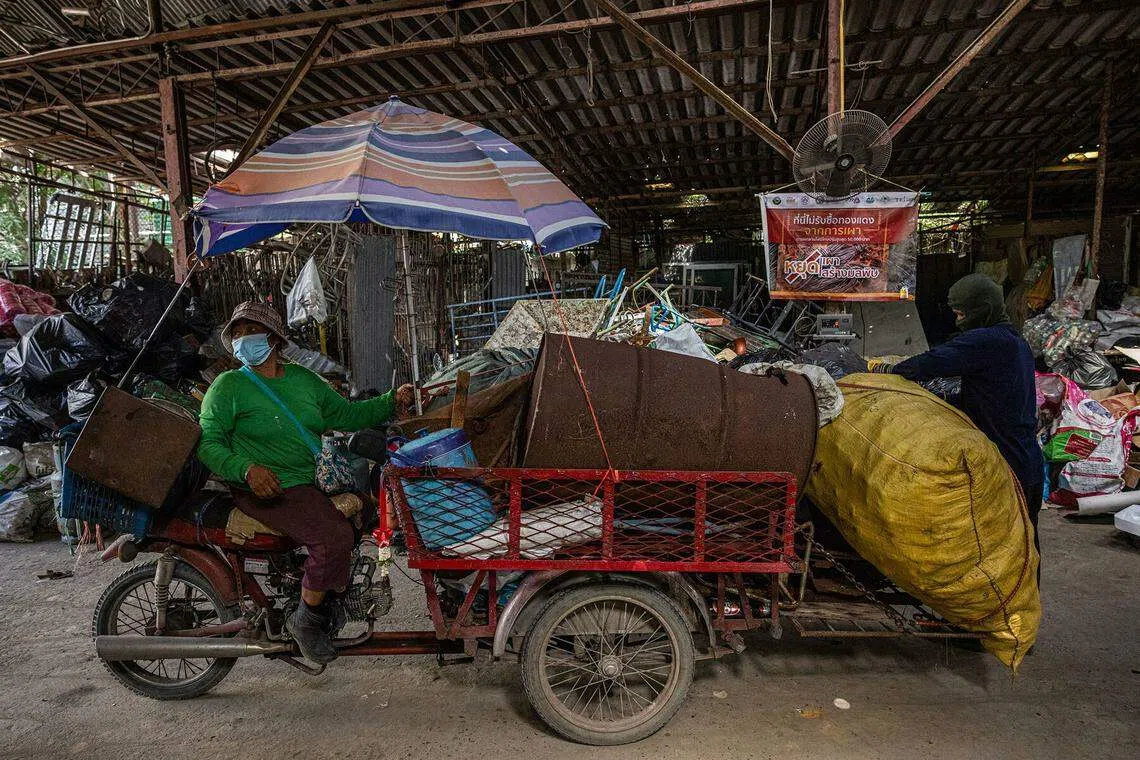
These workers also have no way to scale their earnings. Most IWWs in the region work with either baskets or wheelbarrows, so they typically collect only what they are able to carry.
SecondMuse’s Benns adds that events such as heavy storms or illness can leave IWWs less able to work, or with fewer recyclables to collect.
Low incomes make this group vulnerable to exploitation. Dian Kurniawati, founder of Tridi Oasis, a plastic recycling company in Indonesia, tells The Business Times that IWWs in the country may earn less than US$200 a month.
Smaller facilities that aggregate recyclables – known as junk shops – sometimes offer loans to IWWs, she adds. Even if such initiatives are well-meaning, however, IWWs are often stuck in a cycle of repayment.
Some IWWs who are able to establish connections within their local community may be able to secure a more stable income.
Those who can secure access to materials, for instance, can “make a lot of money”, says Dr Kasia Weina, director and co-founder of ReForm Plastic, a startup founded in Vietnam.
“There are some ways they can partner with, for example, contractors, so they have first access to construction sites… so they get to come first and pick it up.”
Those who work on the streets would earn less, though. “Workers who don’t have a lot of good connections or are just rummaging on the streets – they find whatever they can, and their income reflects that.”

ReForm Plastic makes “eco-lumber” from low-value plastics, such as plastic bags and styrofoam, which often end up being discarded because they are not easily recycled.
Dr Weina says ReForm Plastic’s model has the potential to increase income streams for IWWs. “Typically, these workers don’t get to trade these materials – these are the materials they usually dig through but never collect,” she said.
“We’re enabling them to collect more types of materials and giving them more income.”
Health and safety
IWWs also lack the protections their formal counterparts typically receive, such as access to occupational safety and health (OSH).
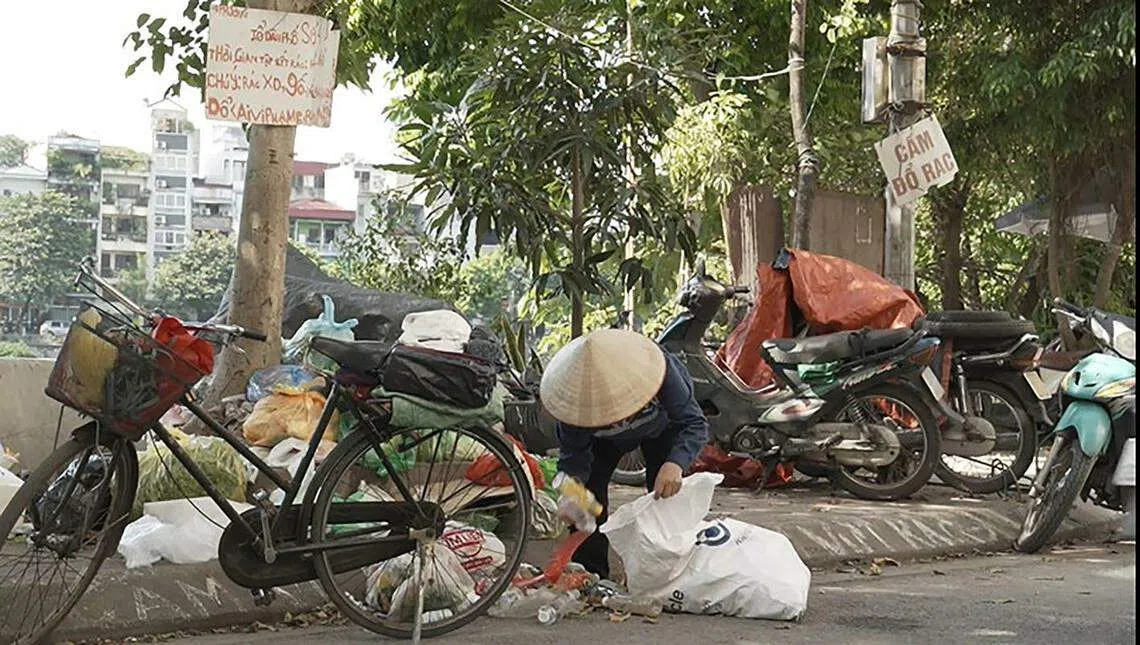
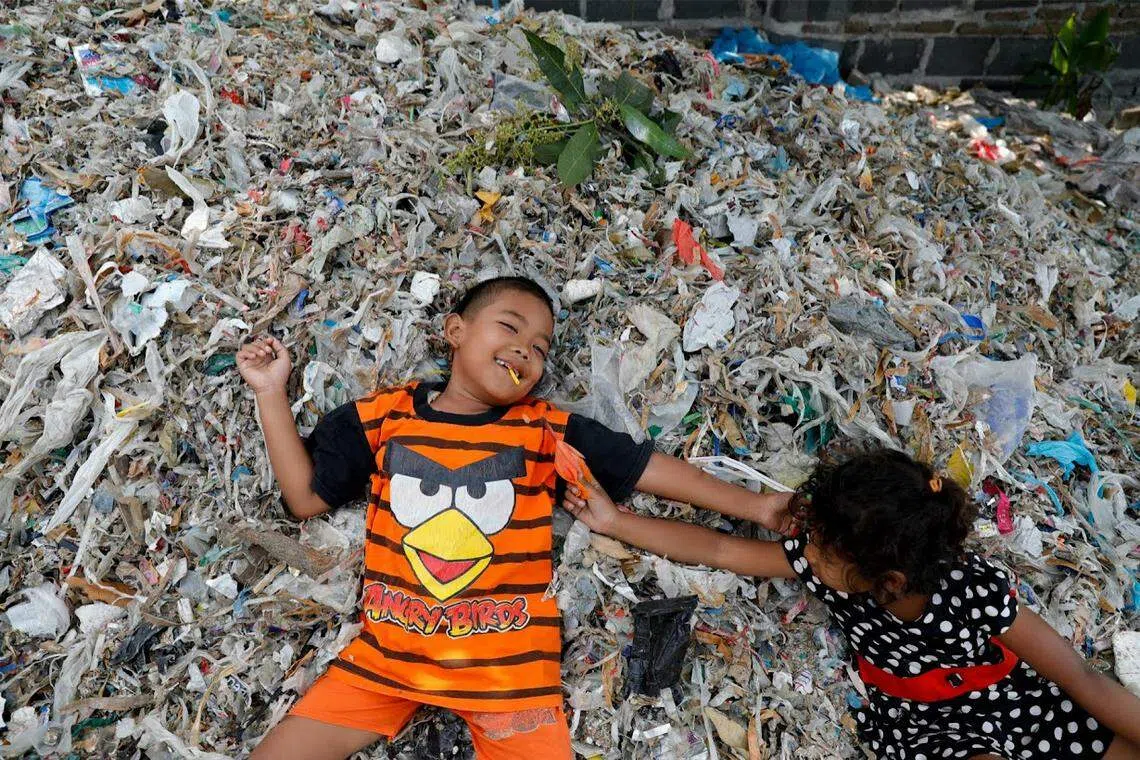
IWWs come into direct contact with unsafe environments on a daily basis – think landfills and dumpsites, where broken glass, used needles and dangerous chemicals or contaminants are often present.
Most, however, lack even basic equipment – gloves, helmets or coveralls – to safeguard themselves, says Bhima Aries Diyanto, chief executive officer of Reciki Solusi Indonesia, a waste management company.
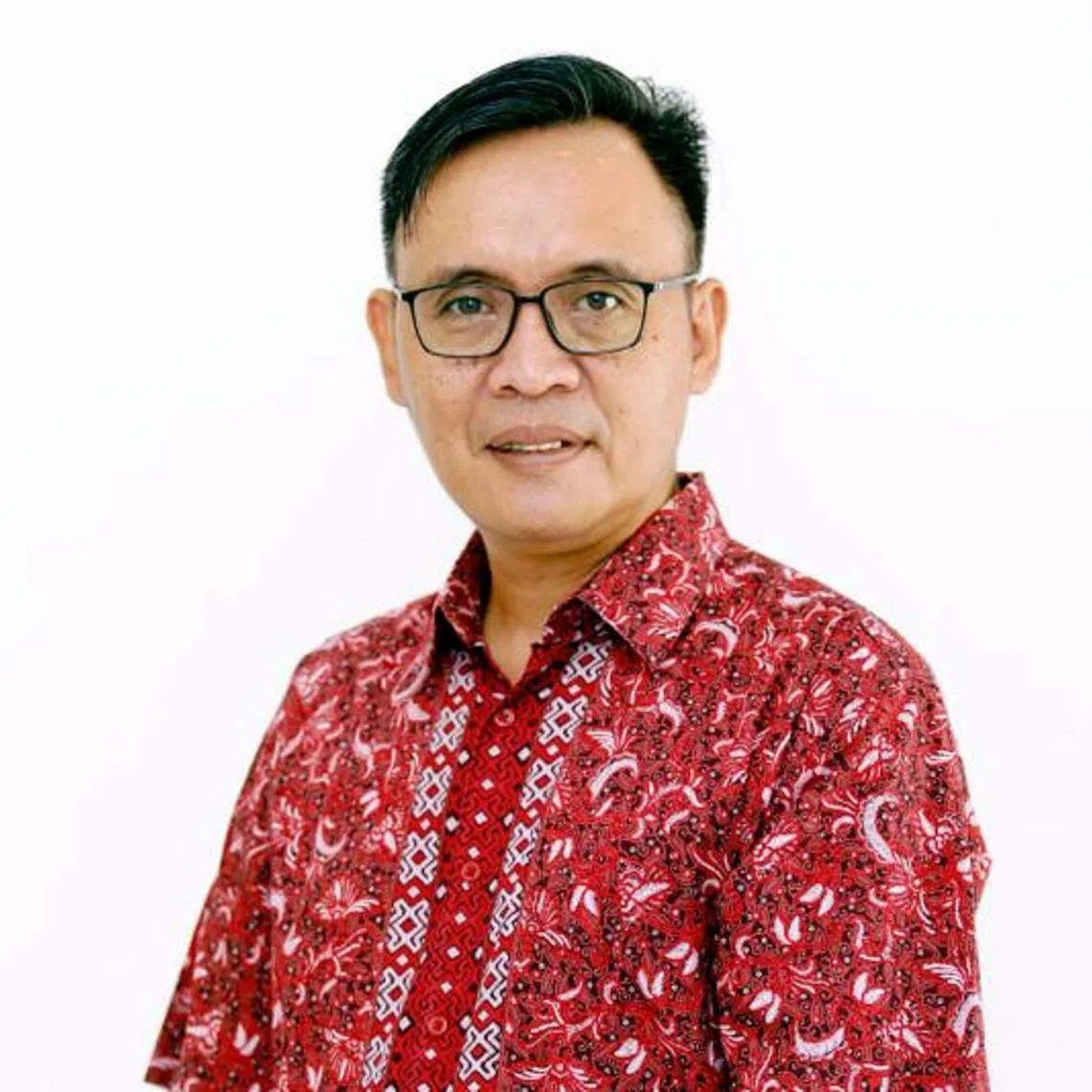
This lack of OSH protections for IWWs means they are more susceptible to illness and injury. When they do succumb to ailments, says SecondMuse’s Benns, they are typically uninsured and do not have the means to pay for treatment.
Bhima says providing IWWs with personal protective equipment may not be enough, though. “They’re not used to it,” he says – and several other players agree. IWWs may prefer working without gloves because they want to feel and identify the materials they are picking, they say.
Thi Dinh Trinh, director of the Centre for Social Research and Development (CSRD) in Vietnam, says education is needed to help IWWs better understand the risks they face.
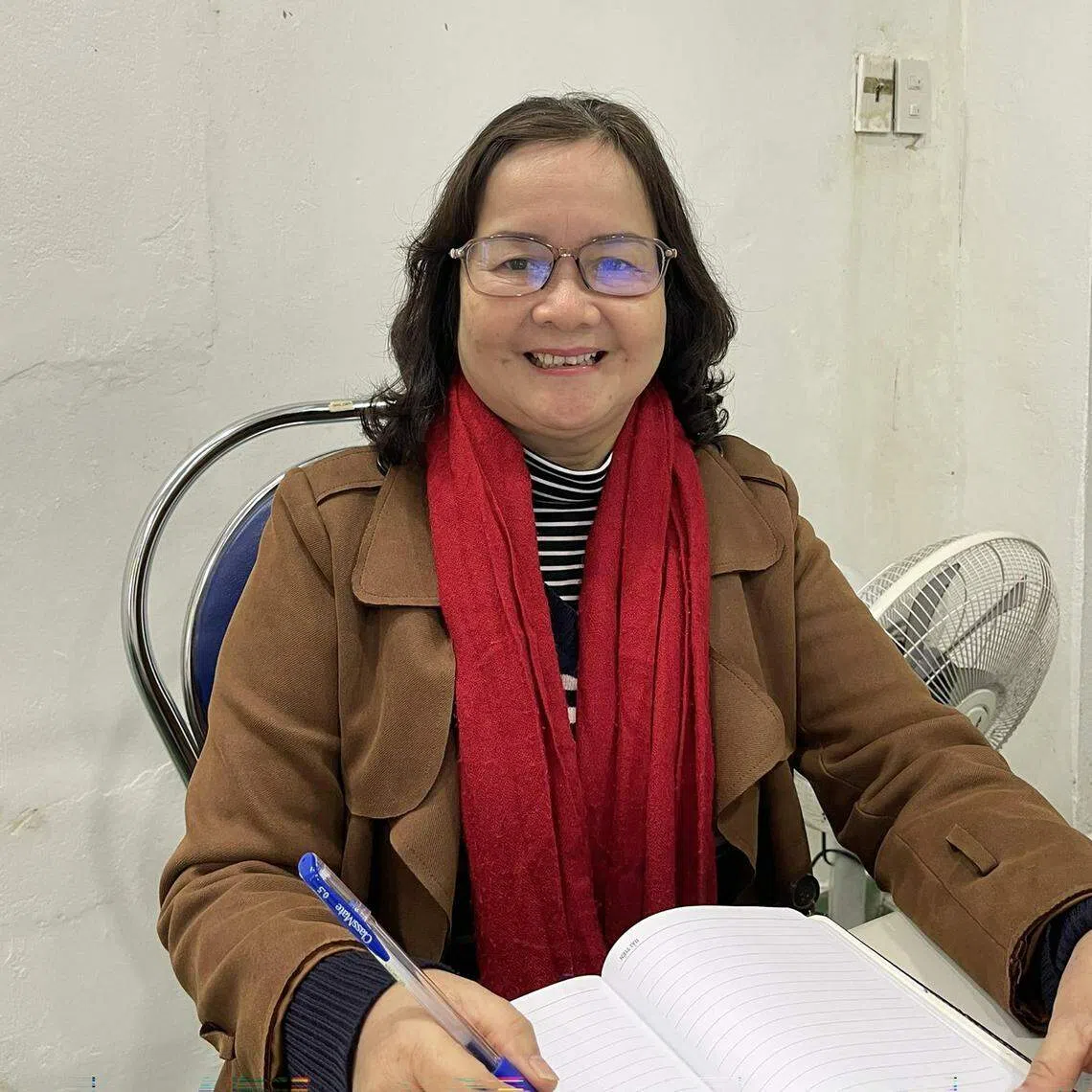
CSRD participated in Equality in Plastics Circularity (EIPC), a programme run as part of an initiative of SecondMuse.
Through research on the status and well-being of IWWs and other players in the waste-collection space in Hue city, CSRD found that just 42 per cent of IWWs believe they are sufficiently healthy. Among their formal counterparts, the figure was 80 per cent.
To improve awareness of OSH among IWWs, another organisation in Vietnam that worked on EIPC, GreenHub, delivered training to hundreds of IWWs in Phu Yen province, while providing personal protective equipment and vouchers for checkups at local hospitals.
Formalisation
Since formal waste workers are better paid, and receive better equipment and healthcare benefits, would IWWs then be better off employed within the formal system?
Not quite.
“One positive reason they enter this (informal) workforce is because of the independence,” says ReForm’s Dr Weina. “They like to be flexible and free, and to work when they have time.”
Many IWWs in South-east Asia require such flexibility because they are the primary homemaker or caregiver in their families.
Tridi Oasis’ Dian points out that a large number of IWWs are also immigrants, who may face difficulty registering for formal employment due to local restrictions.
With IWWs largely coming from rural areas, she says many are also unregistered workers with few educational qualifications.
AEPW’s Lim suggests a formal recognition of the importance of IWWs and the role they play in the waste management system. “We’re looking at giving them legitimacy,” she adds.
One possibility is to link up domestic recyclers with global supply chains so the IWWs that the domestic companies work with can have better income stability.
CSRD, meanwhile, has worked with local women’s unions in Vietnam to call for better recognition and government protections for actors in the waste sector, particularly IWWs, of which a majority are female.
“There’s a huge power imbalance in the waste system,” Benns says. “Informal workers really sit at the bottom of the pyramid. It’s fragmented work, so they very rarely can come together and create any sort of collective bargaining power – which makes it very hard to negotiate for better wages and working conditions.”
Such initiatives, however, require more than the efforts of organisations and institutions. They also require the agreement and will of IWWs, Benns says.
“I think what’s most important… (is) really giving power to the local actors on the ground,” she adds. “They are the ones that know their local context the best.”
Those seeking to work with IWWs must also gain their trust, says Hoang Duc Vuong, chairman of VietCycle, which has operated in the local industry for two decades and has formed a network of some 3,000 IWWs.
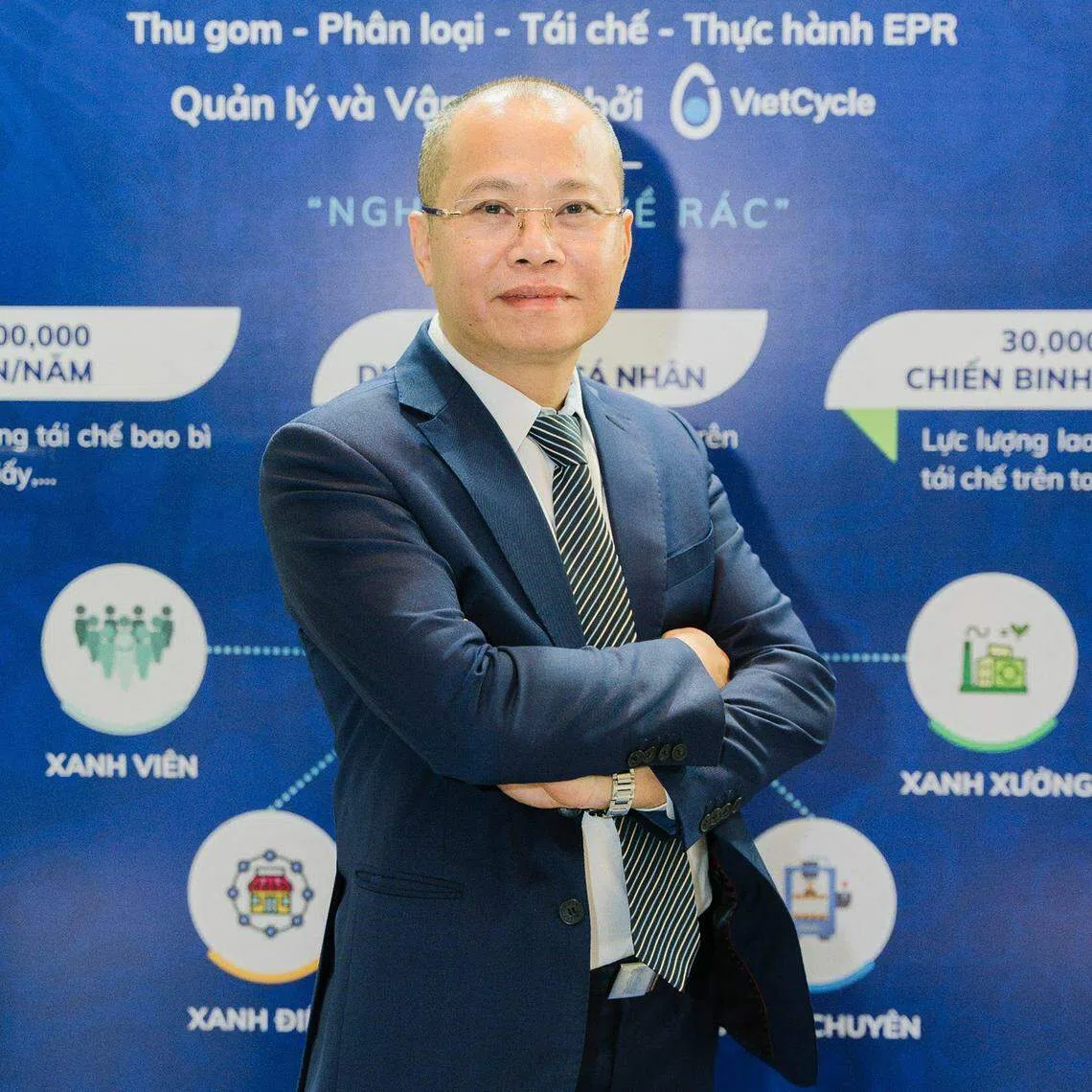
Speaking through an interpreter, he shares anecdotes of IWWs who have fallen victim to identity theft and other crimes by working with disingenuous actors.
“That’s why many of them tell each other, they have to be cautious.”
Funding struggles
Even as novel solutions are being piloted across the region, however, funding from governments and corporations is becoming tougher to come by.
Two separate sources, asking to remain anonymous, say new players in particular are having difficulties securing resources.
One source says governments may be less willing to put money towards development funding given economic worries at home, amid elevated inflation and interest rates.
The other says funding has become more bifurcated. The very large funds – with amounts in the tens of millions of dollars – are led by consortiums, and can achieve significant impact with scale. Still, these funds tend to be less accessible to smaller organisations seeking to make a local impact.
The micro-funds on the other end of the spectrum tend to be limited in their scope. CSRD’s Dinh says a recent grant the organisation received would be sufficient to support just 15 IWWs.
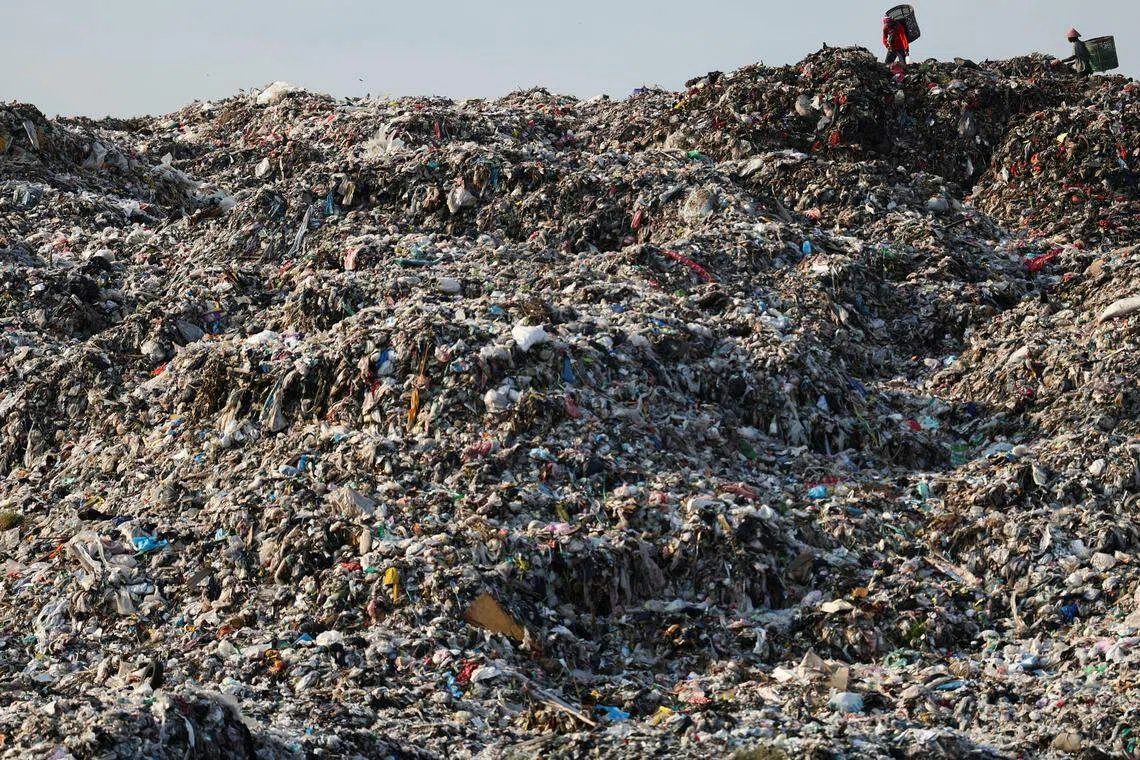
Such funding woes do not bode well for the region, as South-east Asia’s waste production has accelerated.
A 2021 study found that on a per capita basis, Indonesia, Thailand, Vietnam, the Philippines and Malaysia were the top five countries globally for the production of municipal solid waste.
According to The World Bank, Asean is home to five of the top 10 countries responsible for releasing plastic waste into oceans.
Meanwhile, EY estimates that 53 per cent of the waste generated across the region goes uncollected.
In Singapore, where waste management goes largely unnoticed by the layperson beyond the ubiquitous blue bins and rubbish collection trucks, the struggles of South-east Asia’s IWWs may seem like a distant problem.
“We’re all very fortunate to have a very formalised, advanced waste management system, where all our rubbish is picked up from our homes or below our apartment blocks,” says AEPW’s Lim.
“But when you look at the uncles and aunties who pick up aluminium cans and plastic bottles from hawker centres and elsewhere, you need to recognise that they are the informal sector too.”
Empowering IWWs is about understanding and cementing their role in tackling the environmental issues we face today, she says. “They are our first line in providing feedstock for recycling. Let’s recognise that.”
TRENDING NOW

Inside Singapore’s government team that kills its own products

Once staunchly pro-China, Malaysian Chinese businesses are now distancing themselves from Beijing
Cliff Tan has 7 million followers and a 4-month waitlist. Why won’t he expand his business?

Grab CEO’s wife Chloe Tong on life with Anthony Tan and finding her purpose

