


To stay fighting fit in the ring, Singapore gyms need new workout regimes
Recent gym closures indicate that the post-pandemic fallout is not over. As more players fight for a smaller slice of the fitness pie, new models are needed


RITUAL Gym’s closure of its four branches in Singapore last week sent shockwaves through the fitness community.
The home-grown brand had been around since 2013, and was an established player in the high-intensity interval training (HIIT) space.
Yet, industry watchers should have seen it coming. The local fitness sector has been plagued by closures. Among them were boutique gyms Fenix Fitness, Haus Athletics, boOm and UFC Gym.
Other big brands are rationalising their operations. Big-box gym Pure closed its fitness and yoga branches in Suntec City. At least 13 F45 Training gyms have shut their doors in the Republic in the past 15 months, checks by The Business Times have found.
It is likely that more brands will go the way of Ritual Gym, unless operators make changes to their business models or practices.
Some of these closures were pandemic-induced. Many gyms were forced to shut their doors in 2020. They would have lost income while racking up expenses, and would have struggled to grow.
The debts built up over the pandemic, meanwhile, have been tough to discharge.
To make matters worse, these gyms did not see the strong post-Covid recovery they were hoping for.
The pandemic caused changes in customer behaviour. Some who had to stop going to the gym never came back. Others began working from home full-time, or at least part of the time, and gave up their memberships at gyms in the central business district.
Overheads have also spiked. When tenancy agreements came up for renewal post-pandemic, landlords took the opportunity to hike rentals – sometimes by as much as 50 per cent, adding to the pressure from rising manpower costs and utilities.
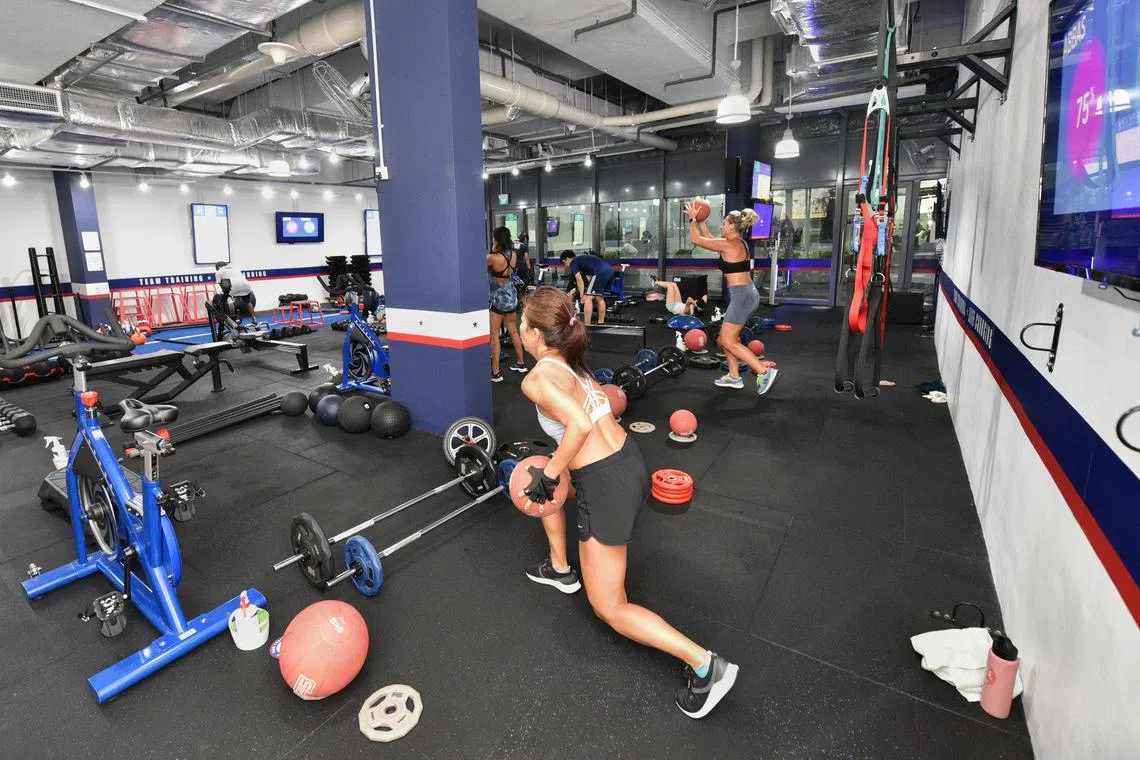
More competition, less differentiation
Despite these challenges, however, Singapore’s fitness sector continues to attract new players.
Barriers to entry for gyms are low, especially since fitness trends are moving away from bulky machines and towards functional training with minimal equipment.
Franchise operators may also be drawn by promises of lucrative returns.
Australian HIIT gym Body Fit Training (BFT), for instance, has grown significantly since landing in Singapore in 2019. Its 36th studio is set to open in late March; at least 22 of its outlets opened in the last two years.
BFT franchise owners stand to make an average income of $45,000 in their first month, according to an advertisement on Instagram. (The ad did not state the currency.)
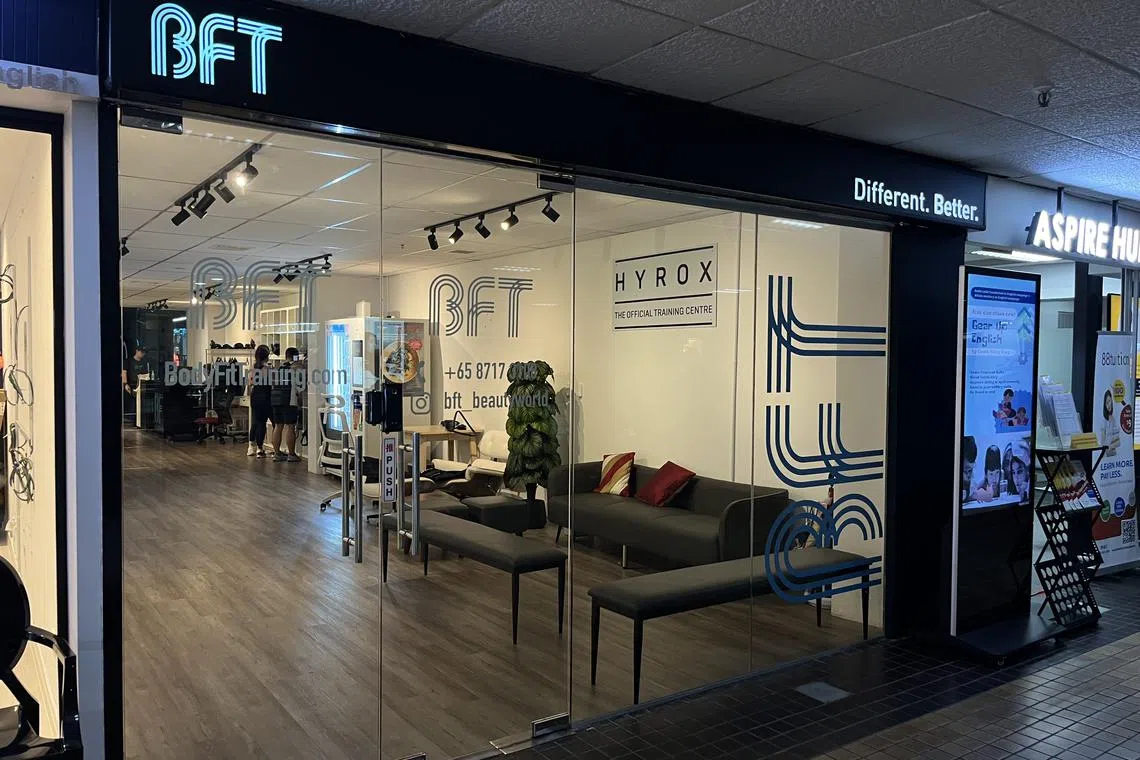
But the slice of the pie is shrinking, as Singapore’s fitness marketplace becomes more saturated. For one, competition in the HIIT boutique space is stiffer.
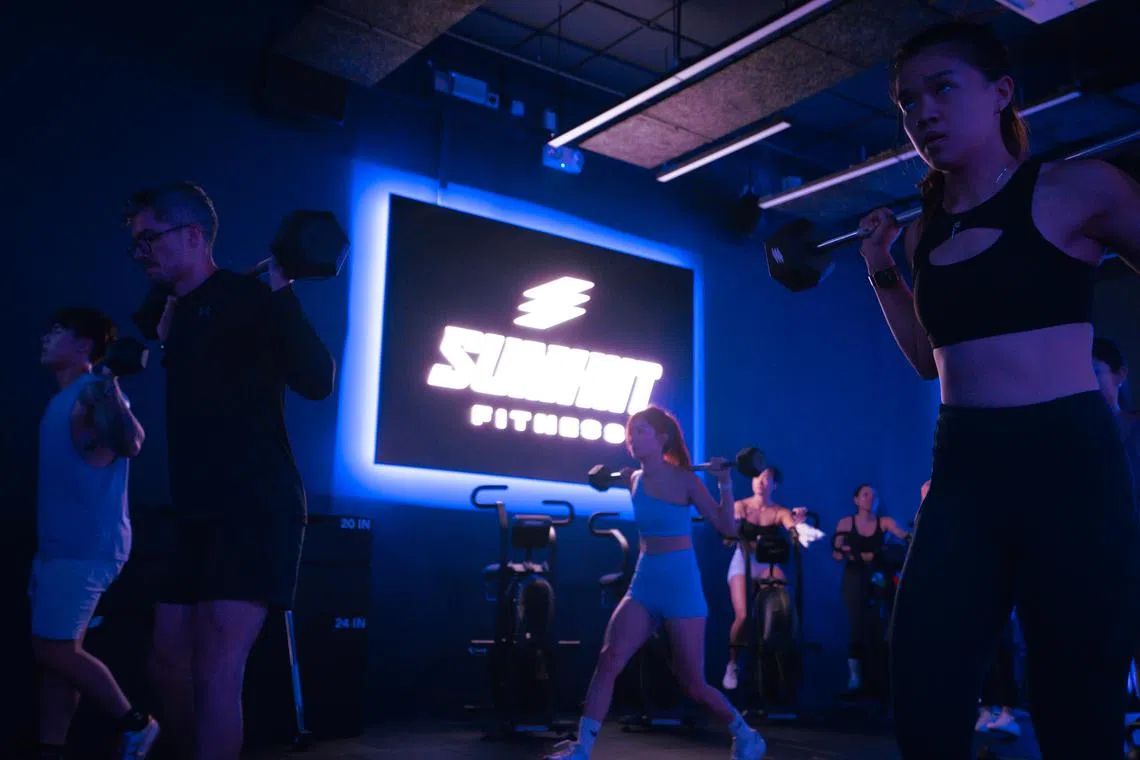
Some international franchises that entered Singapore recently are Australian chain Fitstop, which opened its first studio in Singapore in May 2023 and now has four outlets; Australia’s REVL Training, which opened its sixth studio in February; and US brand SUMHIIT Fitness, which will open three studios here this year and three more by end-2025.
With more fitness options than ever before, it is only a matter of time before some gym members – caught by the “shiny object syndrome” – jump ship to the newest kid on the block. Others keen to overcome a workout plateau may look to a different gym programme to switch things up.
The newer brands are thus not entirely out of the woods, even if they were spared the pandemic woes.
The tide is already turning. There are telltale signs of slowing membership growth for BFT, arguably the current market leader in Singapore’s HIIT space.
Earlier this year, six of its studios were added to fitness booking platform Classpass – in an indication that the classes at those locations are not full, so they can now be opened up to non-members. All other BFT studios in Singapore remain exclusive to members.
Building agility and strength
Rather than aiming for speed in the local fitness market, it could be time for budding players or prospective entrants to build their agility and strength.
This means studying competitors to assess if they can achieve the membership numbers required to cover overheads.
Players could also do more to change up their programme offerings so they remain fresh and relevant to members, on top of holding occasional ancillary activities.
Gyms centred around group exercise can look to build a solid community, which will be pivotal to retaining members and attracting new ones.
Offering flexible payment options – such as recurring monthly or weekly billing – without a long-term contract would be appealing to customers. Customers might be more willing to sign up for a membership, as they need not part with large sums of money up front.
If they are to survive, gym operators need to rethink their practices.
TRENDING NOW

Grab CEO’s wife Chloe Tong on life with Anthony Tan and finding her purpose

Brokers maintain ‘buy’ on CDL despite investor reservations over strategic review

Deal between tycoon friends sparks scrutiny of Philippine power sector

Hwa Seng Builder, two China companies win S$1.2 billion Tuas Road Viaduct phase two contracts

