

Global healthcare: From laggards to opportunities
The healthcare sector sees an increase in utilisation rates amid massive interest in weight-loss drugs, but it also faces a post-Covid reset
FOR much of 2023, mega-cap technology stocks drove global equity market returns amid the excitement over artificial intelligence and its applications.
Moreover, as the economy continued to defy expectations of a recession, defensive sectors were left behind. For instance, the healthcare sector delivered returns of 4.3 per cent in 2023, lagging behind most sectors and the broader equity market, measured by the MSCI World Index, which delivered returns of 24.5 per cent.
Top-performing healthcare segments
The healthcare sector can be broadly broken down into five main segments: pharmaceuticals; healthcare equipment and supplies; healthcare provider and services; biotechnology; and life science tools and services.
The two largest segments are pharmaceuticals and healthcare equipment and supplies. In terms of performance, healthcare equipment and supplies delivered the highest returns of 11.5 per cent in 2023. Companies such as Intuitive Surgical, Boston Scientific, and Stryker Corp were the top gainers with returns of 27.1, 24.9, and 23.8 per cent, respectively, in 2023.
They reported strong demand for elective surgery. The uptick in healthcare utilisation was driven by patients who delayed surgery and treatment during the pandemic and continued to seek services in hospitals and clinics.
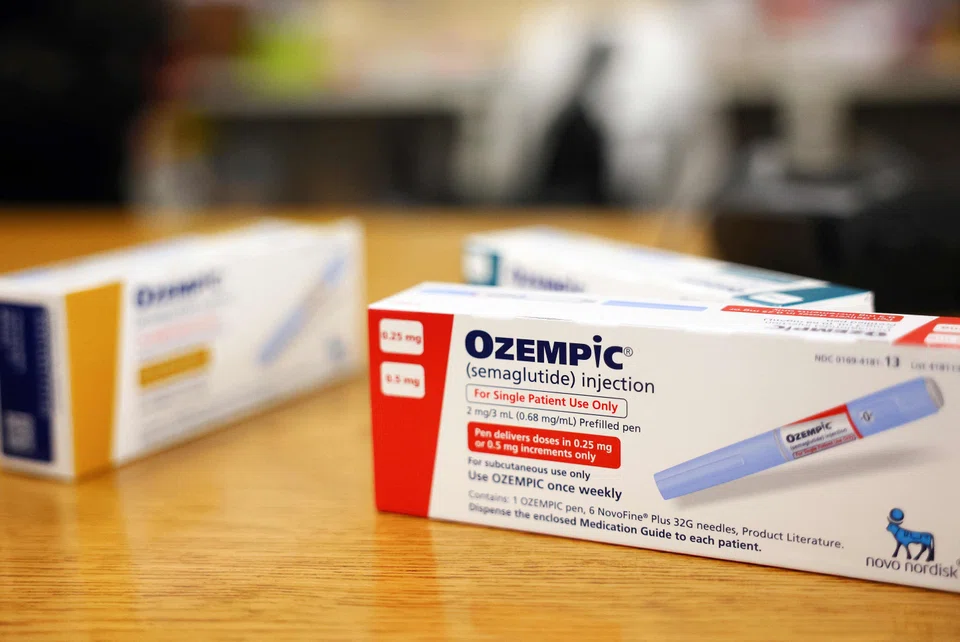
The second-best performing segment was pharmaceuticals with returns of 5.5 per cent. However, companies in the segment displayed a wide disparity of returns. For instance, Eli Lilly & Co and Novo Nordisk generated impressive returns of 60.9 and 55.8 per cent, respectively, on the back of a rapidly growing market for GLP-1 or weight-loss drugs.
On the flip side, Pfizer saw its share price decline by 41.2 per cent after it failed to foresee that its Covid-19 product demand would fall significantly.
Post-Covid reset
As the world has moved from the pandemic to the endemic stage of Covid-19, demand for vaccines and therapeutics has plummeted. Moderna reported a larger-than-expected loss in Q3 2023 after registering a US$3.1 billion charge to write down excess Covid shots and reduce its manufacturing footprint.
Moreover, sales of its messenger RNA Covid (mRNA) vaccine, which previously pulled in around US$18.4 billion in 2022, is expected to fall to US$7 billion in 2023.
Similarly, revenue from Pfizer’s Covid-19 vaccine and treatment peaked at US$56.7 billion in 2022. Based on its latest Q4 2023 results, revenue from that product line came in at US$12.5 billion in 2023, and is forecast to decline further to US$8 billion in 2024.
Looking ahead, Covid-19 beneficiaries have to navigate a post-pandemic era after raking in billions from these products; this will be a challenge.
Moderna is hoping to shift investor focus away from Covid towards a pipeline of new vaccines. We note, however, that the company has yet to successfully commercialise any other vaccine under the US Food and Drug Administration (FDA), and would thereby face challenges in the near term. The company is developing shots targeting other respiratory diseases and has said it hopes to offer a slew of new jabs targeting cancer, heart disease and other conditions by 2030.
Pfizer, on the other hand, is hoping to shift investor focus towards its drug pipeline, which includes a handful of cancer drugs from Seagen, after its US$43 billion acquisition of the company in December 2023. This acquisition has led to the addition of four FDA-approved cancer drugs – Adcedris, Padcev, Tukysa and Tivdak. Pfizer anticipates products gained from the Seagen buyout will account for US$3.1 billion in revenue in 2024.
Focus on weight-loss drugs
The main headlines in the healthcare sector are centred around the excitement over weight-loss drugs, known as GLP-1. Originally developed for diabetes, these medicines mimic a natural hormone that slows digestion and makes patients feel fuller after eating. Studies found they cause weight loss of 15 to 20 per cent.
According to Bloomberg, sales of these drugs have the potential to reach around US$80 billion by 2030, up from US$6 billion in 2023, especially as obesity is the most prevalent chronic condition. More than one in four US adults and one in 10 adults globally are already obese, leading to higher risk of many conditions including diabetes, heart disease and stroke.
Given the huge market potential, more drugmakers are now scrambling to join this two-horse race. Amgen and Pfizer, for instance, are plotting to break into the lucrative obesity market by developing or cutting deals to acquire drugs that could compete with Novo Nordisk and Eli Lilly.
Healthcare sector in 2024
Overall, while the healthcare sector is experiencing an increase in utilisation rates and shows massive interest in weight-loss drugs, it is also facing a post-Covid reset. Nevertheless, we think that there are still opportunities. Long-term drivers such as ageing demographics will support demand and growth of healthcare products and services for decades to come.
Investors who are keen to take part in the growth of the global healthcare sector may consider the iShares Global Healthcare exchange traded fund, which provides exposure to a basket of pharmaceutical, biotechnology, and medical device companies across the world.
Alternatively, those who prefer to gain exposure via an actively managed vehicle may consider the Blackrock World Healthscience Fund.
The writer is a senior research analyst of the research and portfolio management team at FSMOne.com, the business-to-consumer division of iFast Financial, which is a subsidiary of iFast Corporation
TRENDING NOW

Singapore tech stocks plunge as Nasdaq bloodbath spills into region

S$3 billion money laundering case: Rare Pateks and Rolexes, diamond-covered Hermes and more head to auction

OCBC Q3 profit rises 3% to S$2.04 billion, slightly above expectations

From legacy to launch: Francis Yeoh and Yeoh Pei Xien on family unity and YTL’s next‑gen ventures

